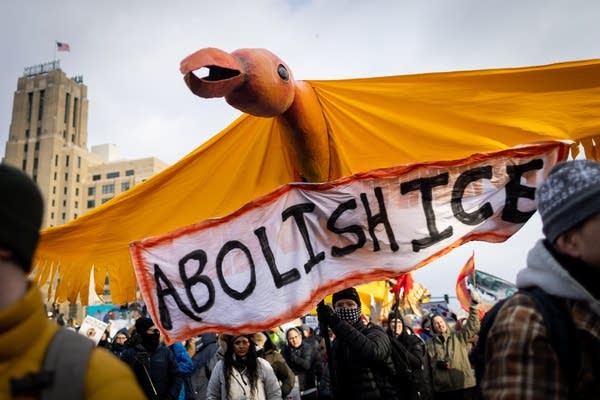

In 2026, Minnesota has witnessed a significant surge in anti-ICE protests, igniting conversations about immigration policies and justice reform across the nation. The intensification of these demonstrations is largely fueled by concerns over increasing enforcement actions and the impacts of deportation on families and communities.
Activists and community organizations have mobilized diverse groups of individuals, united by a common goal: to advocate for immigrant rights and to challenge the presence and actions of the U.S. Immigration and Customs Enforcement (ICE) in their neighborhoods. These protests have evolved from sporadic gatherings to larger, more organized movements, with participants employing creative tactics like sit-ins, marches, and public forums to draw attention to their cause.
The protests gained momentum following high-profile incidents involving ICE raids that ripped families apart, often at workplaces or during routine stops. The emotional weight of these events galvanized many individuals who might not have previously engaged in activism. The stories of those affected—mothers separated from their children, workers unjustly detained—have sparked outrage and mobilized community support, leading to a series of larger, more impactful demonstrations throughout the state.
Moreover, the political landscape in Minnesota has shifted, with an increasing number of elected officials and community leaders publicly opposing ICE’s law enforcement practices. Local governments have begun to explore policies such as sanctuary city designations, which aim to provide safe havens for undocumented immigrants. These governmental shifts have further empowered activists, leading to collaborations that amplify their voices and demands.
The protests also spotlight broader systemic issues pertaining to racial and economic inequalities. Many community members argue that ICE’s actions disproportionately affect marginalized communities, exacerbating issues of discrimination, fear, and economic instability. This context has fostered solidarity among various social justice movements, linking immigrant rights with racial justice, labor rights, and police reform.
As the public discourse continues to evolve, Minnesota’s anti-ICE protests have not only become a pivotal aspect of the local political climate but have also resonated with national movements advocating for comprehensive immigration reform. They highlight the urgent need for a humane approach to immigration that prioritizes family unity and community well-being over punitive measures.
In conclusion, the intensifying anti-ICE protests in Minnesota serve as a powerful testament to community resilience and the quest for justice. They reflect the deep yearning for reform and a more compassionate immigration system, resonating well beyond the state’s borders as similar movements arise across the nation. This growing activism underscores the importance of solidarity in advocating for a more inclusive society, where the rights and dignity of all individuals are recognized and respected.
For more details and the full reference, visit the source link below:
Read the complete article here: https://brusselsmorning.com/minnesota-anti-ice-protests-2026/91296/