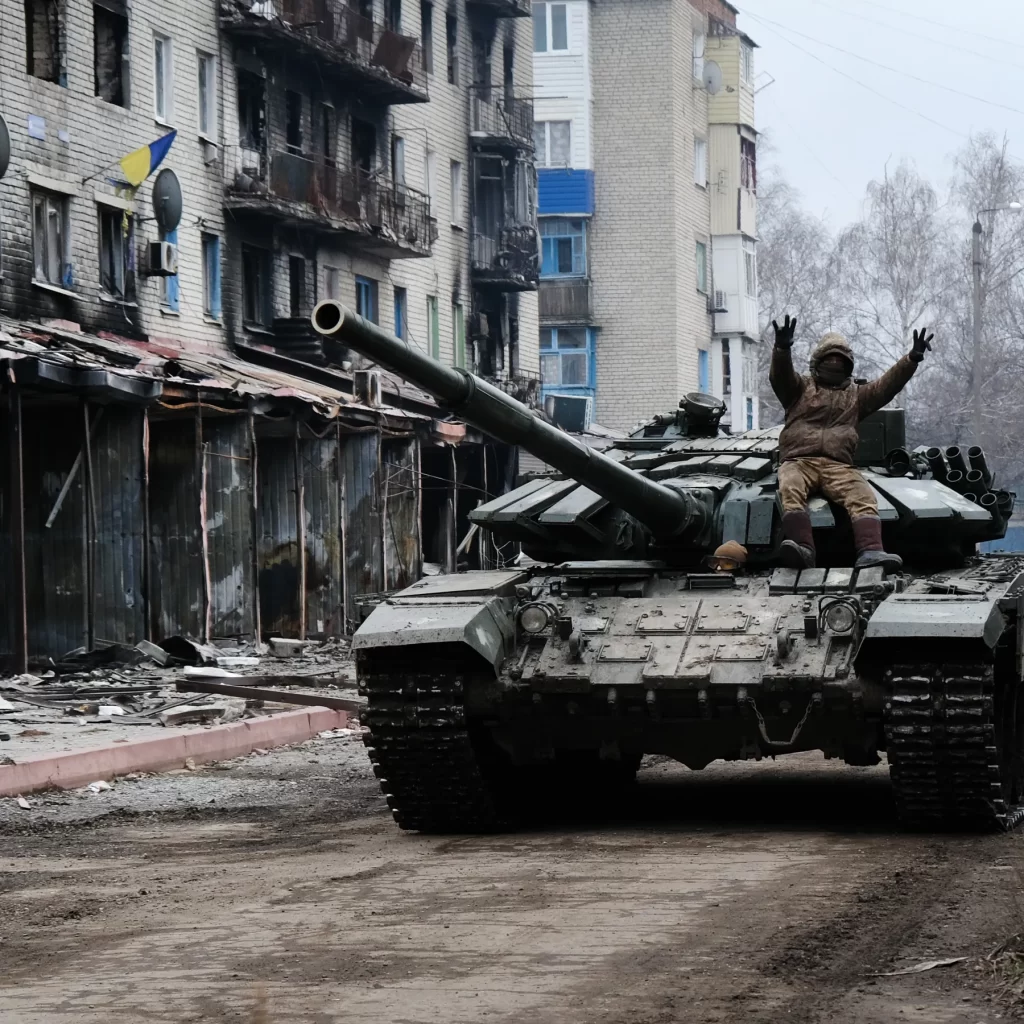

The ongoing conflict in Eastern Ukraine, particularly in and around Zaporizhia, has seen a marked escalation recently, raising international concerns over both humanitarian crises and regional stability. As the war enters its second year, the situation in Zaporizhia has become increasingly dire, fueled by intensified military engagements between Ukrainian forces and Russian-backed separatists.
Zaporizhia, which holds strategic significance due to its geographical location and industrial infrastructure, has been a focal point in the conflict. The region is home to several key power plants and manufacturing facilities, making it vital for both national defense and economic stability. The recent surge in hostilities has not only jeopardized these critical assets but has also displaced thousands of civilians, creating a humanitarian crisis that the international community is struggling to address.
Reports indicate that artillery strikes and drone attacks have become more commonplace, leading to considerable damage to residential areas and infrastructure. Civilians caught in the crossfire face daily threats to their safety, as schools, hospitals, and homes come under attack. Humanitarian organizations are working tirelessly to provide assistance, but access to affected areas is often limited due to ongoing military operations. The situation has prompted widespread calls for a ceasefire, with various diplomatic initiatives struggling to gain traction amid the escalating violence.
The geopolitical implications of the Zaporizhia conflict are profound. As Western nations analyze the situation, discussions around military aid for Ukraine intensify. The potential for an extended conflict raises concerns about energy supply chains and regional security, particularly for neighboring Eastern European countries. Russian President Vladimir Putin’s strategy appears aimed at destabilizing Ukraine further, which could lead to broader ramifications beyond national borders.
Furthermore, the psychological toll on the local population cannot be overstated. Many residents of Zaporizhia live in a state of constant fear, with survival in question each day. The war has led to increased mental health issues, with families grappling with loss, uncertainty, and trauma. Efforts to restore normalcy are stymied by the persistent threat of violence, as hopes for peace seem increasingly distant.
In summary, the escalation of conflict in Zaporizhia is emblematic of a larger struggle that encompasses national identity, sovereignty, and the impact of foreign intervention. As the world watches, the need for a coordinated response becomes ever more pressing, with the desire for peace clashing against the backdrop of an increasingly complex and volatile struggle. The people of Zaporizhia, much like the rest of Ukraine, yearn for resolution and the opportunity to rebuild their lives free from the shadow of war.
For more details and the full reference, visit the source link below: