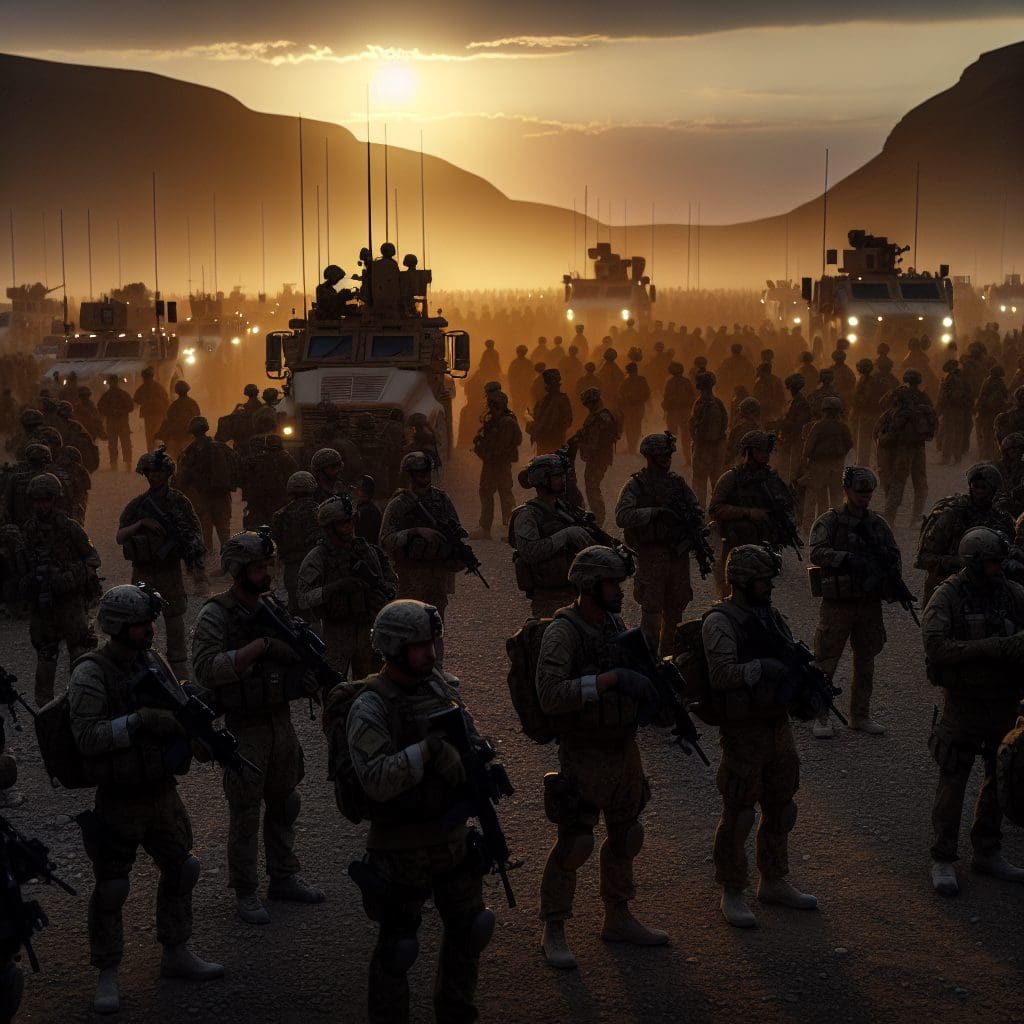

In recent years, the landscape of global security has necessitated a strategic reevaluation of troop deployments globally, particularly in conflict zones like Iraq. Among the key contributors to NATO missions, Canadian Forces personnel have played a distinct role in the coalition efforts to stabilize Iraq. However, shifting geopolitical dynamics and evolving security environments have led to the withdrawal of NATO troops, including those from Canada.
The Canadian Armed Forces have had a history of involvement in international conflicts, showcasing their commitment to NATO’s collective defense principles. In Iraq, their presence was primarily focused on training and advisory roles, aimed at bolstering the capabilities of the Iraqi Security Forces. This engagement arose in response to the persistent threat posed by insurgents and terrorist factions that undermine regional stability.
The withdrawal of Canadian Forces personnel, part of the broader NATO pullout, signifies a shift in operational focus. The decision to withdraw is influenced by several factors, including changing military priorities, evolving threats, and a growing emphasis on local governance and self-sustainability within Iraq. The changing security situation has prompted discussions about the effectiveness of foreign military presence in achieving long-term stabilization.
During their deployment, Canadian troops contributed not only military expertise but also fostered relationships with local communities. By embedding with Iraqi forces, they facilitated knowledge transfer, shared best practices, and worked to instill confidence in local military institutions. These efforts were aimed at promoting self-reliance and reducing dependency on foreign military assistance in the long term.
The withdrawal, however, raises concerns about the future security landscape in Iraq. While the goal is to empower local forces, the aftermath of a military exit often leaves a security vacuum that can be exploited by extremist groups. As Canadian Forces conclude their mission, the need for ongoing diplomatic and development support remains imperative to ensure that gains made during their deployment are not eroded.
Canada’s commitment to global security also encompasses post-deployment initiatives, emphasizing the importance of humanitarian assistance and rebuilding efforts. Moreover, the training and mentorship provided by Canadian troops have laid a foundation that can be built upon even after their departure.
In conclusion, the withdrawal of Canadian Forces personnel from Iraq represents a significant pivot in NATO’s approach to international military engagement. While it reflects a confidence in the ability of Iraqi forces to maintain security, it also underscores the need for continued partnership and support to ensure sustained peace and stability in the region. The complexities of such a transition highlight the evolving nature of military involvement in global security frameworks.
For more details and the full reference, visit the source link below: