
Caylin Young Disputes Bodycam Footage: “I Said I Was on Time, Not on Top”
In a world where video evidence often holds immense weight in legal proceedings and public opinion, the recent dispute over bodycam footage involving Caylin Young has sparked a debate about interpretation, intention, and the nuances of spoken language. This article explores the incident, the fallout, and the broader implications of such misunderstandings in a digital age.
The Incident: What Happened?
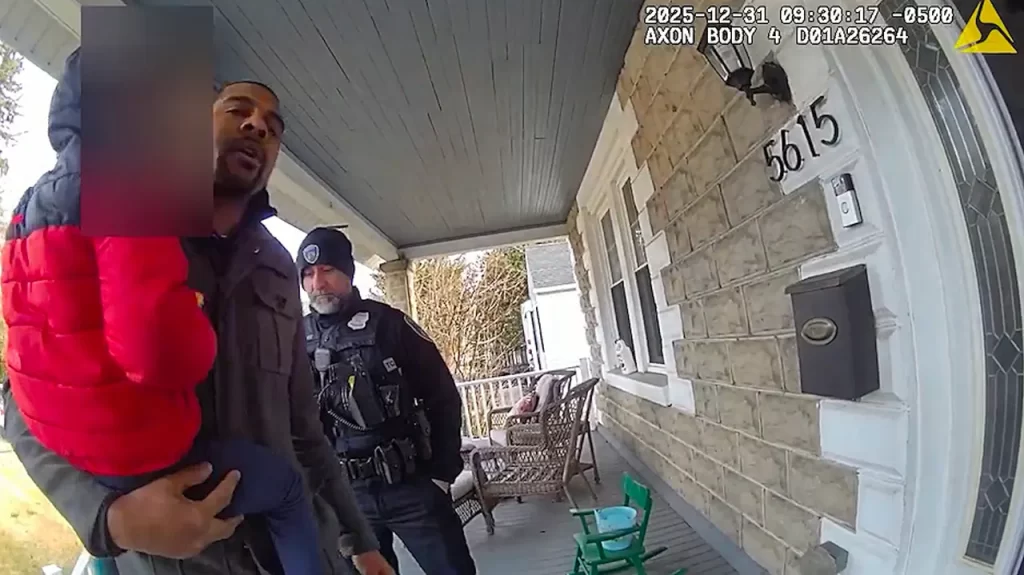
Caylin Young, a resident of a small town, found himself in a controversy after being stopped by local law enforcement. The police bodycam footage captured Young during the stop, but the main point of contention arose from a specific phrase that he uttered: “I said I was on time, not on top.”
What seemed straightforward on the surface began to unravel into a complex narrative promoting discussions on semantics and the perception of tone. Young insists that the statement reflects his commitment to punctuality, while critics argue it indicates a lack of respect for authority.
Analyzing the Bodycam Footage
Bodycam footage has transformed the way law enforcement interacts with the public. It aims to provide transparency and accountability. However, this incident illuminates the limitations of such technology. Footage can be subject to interpretation, and Young’s case illustrates this vividly.
The video has circulated widely on social media, prompting viewers to express their opinions. While some support Young, highlighting the potential for miscommunication, others criticize him based on the video’s context. The challenge arises in discerning the intentions behind words and actions, especially when emotions are running high.
Context Matters
The importance of context cannot be overstated. Young claims that his statement about being “on time” was an effort to clarify his situation, while the police may have interpreted it differently. The phrase “not on top” has faced scrutiny—was it a flippant remark, or was it a genuine expression?
It is essential to understand the environment in which words are spoken. Bodycam footage captures the visual aspects of an encounter, but it does not relay the nuances of tone, inflection, or the emotional weight behind each statement. This incident showcases how misinterpretation can lead to divisive conclusions.
The Broader Implications of Miscommunication
In an era dominated by technology and social media, miscommunication carries significant implications. The Caylin Young incident serves as a reminder of how easily misunderstandings can escalate, especially when legal authority is involved.
The Role of Social Media
The rapid dissemination of information on platforms like Twitter, Facebook, and Instagram means that incidents can be misconstrued and polarized in mere minutes. Young’s phrase became a meme almost instantly, illustrating the phenomenon of “cancel culture,” where individuals can be judged solely based on snippets of interactions taken out of context.
For law enforcement and community relations, this underscores the responsibility of all parties involved in a conversation—officers and civilians alike—to communicate clearly and effectively.
The Public’s Reaction: Support Versus Criticism
The public response to Caylin Young’s case reflects a divided opinion landscape. On one hand, his defenders argue that wording should not alone dictate perceptions of character, especially when the consequences can be severe. On the other hand, critics assert that a degree of respect should be maintained during interactions with law enforcement.
Advocates for Caylin Young
Supporters of Young hold that he was misunderstood and that his statement was only a minor part of a larger, more complex encounter with police. Many believe that without considering nuances, there is a risk of exacerbating tensions between civilians and law enforcement.
Critics’ Perspective
Conversely, critics argue that regardless of Young’s intentions, language matters and that maintaining decorum is essential in interactions with police officers. This perspective raises questions about accountability and respect—elements crucial for fostering positive relationships between communities and law enforcement agencies.
Navigating the Aftermath: What’s Next for Caylin Young?
With attention turning to Caylin Young, he faces various consequences that could impact his personal and professional future. The narrative surrounding his statement, as well as the bodycam footage, may follow him for years to come.
Legal Implications
While the immediate legal ramifications of this incident may seem negligible, the perception created by bodycam footage can linger. Young may find himself facing challenges in employment or social circles due to how he’s been publicly portrayed. The fear of being labeled based on a miscommunication is a fate many individuals can relate to, emphasizing the dire need for fair treatment and understanding.
Moving Forward: Lessons Learned
In reflecting on this incident, it is essential to draw lessons that can influence future interactions. Miscommunication can happen to anyone, and it is crucial to approach situations, especially those involving authority, with care and introspection.
Conclusion: A Call for Understanding
The story of Caylin Young and the bodycam footage serves as a cautionary tale in our interconnected society. As we navigate our increasingly digital lives, we bear witness to the complexities of communication.
Misunderstandings can shape opinions and affect how we view others. In this case, Caylin Young’s assertion, “I said I was on time, not on top,” may become emblematic of the broader struggle to communicate effectively amid misunderstandings.
Engaging in clear, respectful communication is essential for maintaining harmony in society. We must strive to foster understanding and empathy as we analyze public incidents, rather than jumping to conclusions based on incomplete narratives. In the end, it is the intention behind words that truly matters, demonstrating that context and clarity are paramount in our conversations.