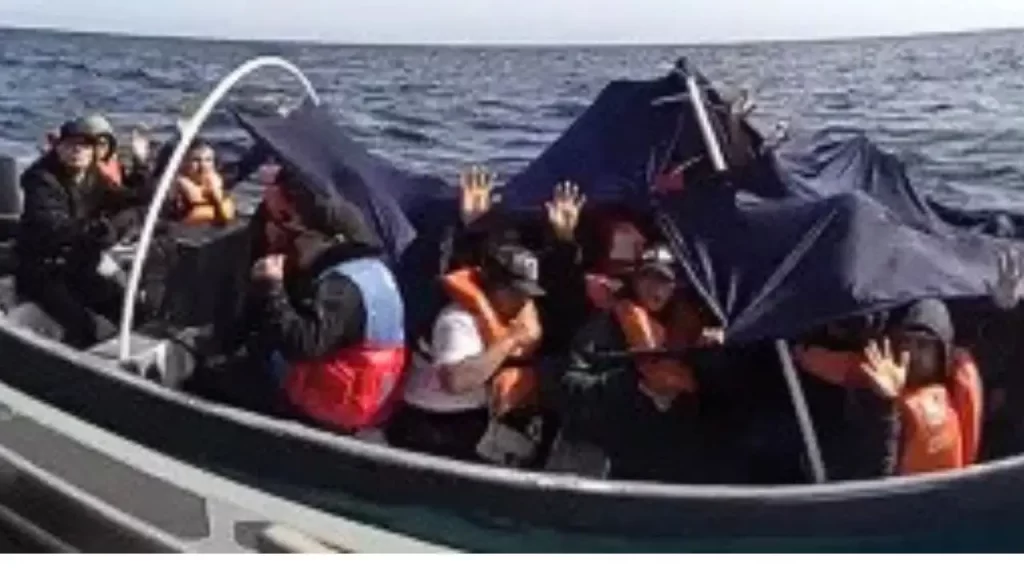

CBP and Coast Guard Intercept 3 Boats, Apprehend 60 People off California Coast
Overview of Recent Interceptions
In a significant operation off the coast of California, U.S. Customs and Border Protection (CBP) and the U.S. Coast Guard successfully intercepted three boats, leading to the apprehension of 60 individuals. This operation highlights the ongoing efforts of federal agencies to combat illegal immigration and human trafficking in coastal waters.
The Role of CBP and the Coast Guard
The U.S. Customs and Border Protection (CBP) and the U.S. Coast Guard play crucial roles in maintaining maritime security. CBP is primarily responsible for enforcing immigration and customs laws, while the Coast Guard focuses on maritime safety and security. Together, they work to prevent illegal activities and safeguard the nation’s borders.
The Timeline of Events
The operation took place in early October 2023, when the Coast Guard first detected suspicious boat activity off the California coast. Following standard protocols, they coordinated with CBP to mobilize resources for a comprehensive surveillance and interception effort.
Officials reported that these boats appeared to be making attempts to enter U.S. waters illegally. With the increasing frequency of such incidents, the collaboration between CBP and the Coast Guard was quick and efficient, demonstrating a commitment to national security.
The Apprehension Process
Upon intercepting the three boats, both agencies conducted thorough checks to identify the individuals onboard. The 60 apprehended individuals consisted mostly of undocumented immigrants from various countries, seeking a better life in the United States.
The apprehension process involved careful assessment and the enforcement of immigration laws. Each individual was carefully screened to ensure their safety and to determine their eligibility for asylum or other legal avenues. Humanitarian considerations were also taken into account during this process, as many individuals find themselves in difficult circumstances and fleeing perilous situations.
Implications for Immigration Policy
The interception of these boats raises important discussions about immigration policy in the United States. Reports from agencies indicate a significant rise in maritime arrivals, leading to concerns about the implications for both national security and the humanitarian crisis faced by those attempting to seek refuge.
Moreover, this operation underscores the ongoing challenges posed by organized smuggling networks that exploit the vulnerabilities of individuals seeking to cross the border illegally. It is critical for federal agencies to enhance their collaboration and resources to combat these syndicates effectively.
Community Response and Awareness
The apprehension of 60 individuals off the California coast has garnered attention from community leaders and organizations advocating for immigration reform. Many emphasize the need for comprehensive immigration policies that address the root causes of migration while ensuring the safety and security of American citizens.
Local communities are encouraged to be informed and engaged in discussions surrounding immigration issues. Educational programs can help raise awareness about the challenges faced by immigrants and the realities of illegal crossings, aiming to foster empathy and understanding.
The Importance of Collaboration Among Federal Agencies
This operation exemplifies the importance of interagency collaboration in effectively addressing border security and public safety. Enhanced communication and coordinated responses can lead to more successful outcomes in safeguarding the nation’s waters.
Efforts should also be made to allocate sufficient resources and technology to these agencies, allowing them to operate efficiently and effectively. This includes investments in surveillance systems, vessel detection technologies, and training for personnel involved in maritime enforcement operations.
The Broader Context of Maritime Security
The incident off the California coast is part of a larger narrative surrounding maritime security in the United States. Increased migration flows, challenges posed by climate change, and geopolitical factors converge to create a complex environment for border enforcement.
As organized crime continues to exploit maritime routes for trafficking drugs, weapons, and people, it is essential for law enforcement agencies to remain vigilant. The Coast Guard and CBP must adapt their strategies to address these evolving threats effectively.
Humanitarian Considerations in Law Enforcement
While it is vital to enforce immigration laws, it is equally important to approach these situations with humanity and compassion. Many of the apprehended individuals are fleeing violence, economic hardship, and persecution in their homeland.
Federal agencies must balance the enforcement of laws with humanitarian considerations. This calls for comprehensive policies that address not only security but also the rights and dignity of individuals seeking a better life.
Future Outlook
As migration trends continue to shift, it is imperative for both CBP and the Coast Guard to remain responsive to new challenges. This includes adapting tactics and strategies to effectively intercept illegal vessels while ensuring the humane treatment of those apprehended.
Moreover, the U.S. must also engage in diplomatic efforts with countries of origin to address the factors driving migration. Collaborative partnerships can lead to more sustainable solutions aimed at stabilizing regions and reducing the need for individuals to undertake perilous journeys.
Conclusion
The recent interception of three boats and the apprehension of 60 individuals off the California coast is a reminder of the complexities surrounding immigration and maritime security. The efforts of U.S. Customs and Border Protection and the Coast Guard reflect ongoing commitments to safeguard the American shoreline while navigating the delicate humanitarian landscape.
Increased collaboration and resource allocation, along with community engagement and an emphasis on humane treatment, will be essential in addressing these multifaceted challenges. As federal agencies continue their vital work, a balanced approach that prioritizes both national security and compassion for individual circumstances will be key to ensuring a fair and just immigration system.