
CBP Seizes $6.8 Million Alleged Cocaine in Laredo Truck Shipment at Texas Border
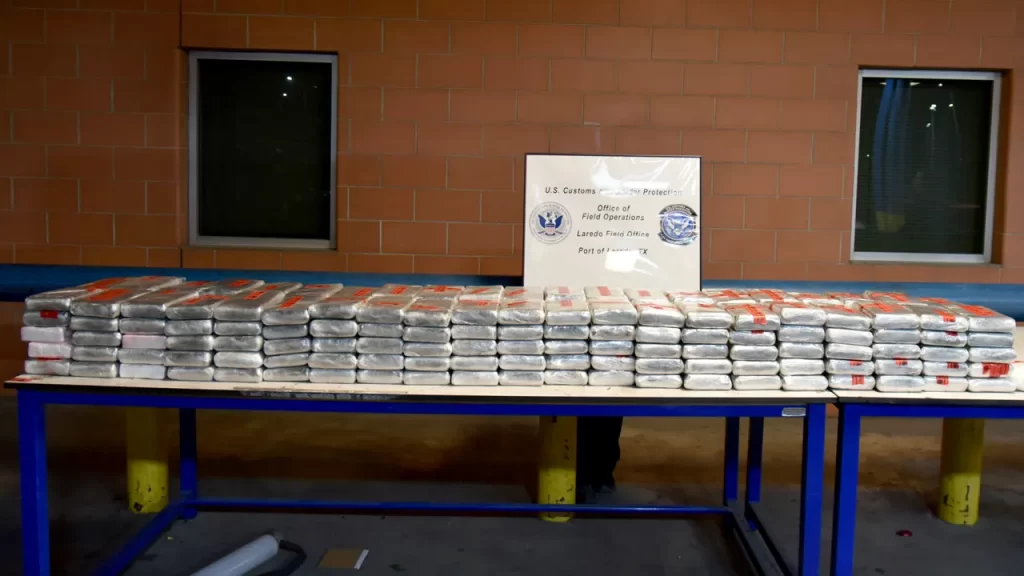
In a significant operation on October 8, 2023, Customs and Border Protection (CBP) agents in Laredo, Texas, seized a staggering amount of alleged cocaine valued at approximately $6.8 million. This seizure is a testament to ongoing efforts to combat drug trafficking along the U.S.-Mexico border.
Overview of the Seizure
The incident unfolded when CBP officers working at the World Trade Bridge, a key international crossing point, inspected a commercial truck shipment. During their routine examination, they discovered anomalies that led to a more thorough inspection. Upon further exploration, they found more than 300 pounds of what is believed to be cocaine secreted inside the truck.
The Truck Shipment
The vehicle, which was transporting commercial goods, raised suspicions due to its inconsistent cargo documentation. CBP officers are trained to identify such inconsistencies, making them adept at detecting potential smuggling attempts. The truck’s cargo was destined for further distribution in the United States, but thanks to the diligent efforts of the CBP team, its illicit contents were intercepted before they could reach their final destination.
The Importance of Preventing Drug Trafficking
Drug trafficking has been a persistent issue along the U.S.-Mexico border for decades. Cocaine remains one of the most trafficked substances, and the volume intercepted by law enforcement highlights the ongoing battle against organized crime. The consequences of drug trafficking extend beyond the immediate risks associated with substance abuse; they infiltrate communities, increase violence, and burden healthcare systems.
Economic Impact
The seizure of illegal substances like cocaine has ongoing financial implications. According to estimates, the drug trade costs the U.S. economy billions annually. By intercepting shipments such as this one, CBP plays a critical role in mitigating these costs. The seized drugs could have resulted in significant financial gains for criminal organizations, funding further illegal activities.
The Role of CBP in National Security
Customs and Border Protection is tasked with protecting U.S. borders from various threats, including the trafficking of drugs, firearms, and human smuggling. CBP officers utilize advance screening techniques, technology, and training to detect potential smuggling activities. Their work not only secures national borders but also facilitates legitimate trade and travel.
Advanced Detection Technology
In a world where smugglers evolve their tactics regularly, CBP employs cutting-edge technology to stay ahead. This includes non-intrusive inspection equipment, radiation detection systems, and strategic intelligence-gathering operations. Such tools allow CBP officers to effectively monitor shipments entering the U.S. and maximize the likelihood of detecting contraband.
International Collaboration
Efforts to combat drug trafficking are not limited to domestic enforcement. International collaboration is crucial in dismantling the sophisticated networks that facilitate these operations. Agencies such as the Drug Enforcement Administration (DEA) work alongside Mexican law enforcement to monitor drug trafficking routes, share intelligence, and apprehend criminals.
Joint Operations
Joint operations have seen considerable success in disrupting drug shipments at various points of entry along the border. By pooling resources, intelligence, and technology, U.S. and Mexican agencies can more effectively target smuggling operations, making it increasingly difficult for traffickers to move their cargo.
Community Involvement and Awareness
While law enforcement agencies play a critical role in combating drug trafficking, community awareness and involvement are equally essential. Educating the public about the dangers of drug use and trafficking can foster a more informed populace that is less vulnerable to the allure of illegal substances.
Grassroots Initiatives
Many organizations work to educate communities about drug prevention and offer resources for individuals and families affected by substance abuse. Local outreach programs, workshops, and school initiatives can provide vital information and support, empowering citizens to take an active stand against drug-related issues.
Conclusion
The CBP’s recent seizure of $6.8 million in alleged cocaine highlights the ongoing challenges and efforts in the battle against drug trafficking along the U.S.-Mexico border. As CBP continues to adapt and employ advanced technologies and foster international partnerships, the fight against drug smuggling remains a pressing concern.
Through collaboration with communities and other agencies, there is hope for reducing the impact of drug trafficking on society. Each seizure represents a significant victory in a continuous struggle to protect the integrity of borders and the well-being of communities across the nation.
With dedication, vigilance, and active public engagement, the collective efforts against drug trafficking can make a meaningful difference.