
Ceasefire Proposal Could Reopen Key Oil Route Amid US-Iran Tensions
The ongoing tensions between the United States and Iran have led to significant geopolitical and economic ramifications, especially concerning oil trade routes in the Middle East. A recent ceasefire proposal could pave the way for reopening vital oil passageways, benefiting global markets and regional stability. This article delves into the details surrounding the ceasefire proposal, the key oil routes affected, and what it means for international players amid escalating US-Iran tensions.
Understanding the Ceasefire Proposal
What Is the Ceasefire Proposal?
The proposed ceasefire aims to halt hostilities in the region, providing a platform for diplomatic negotiations that could lead to lasting peace. This proposal comes against a backdrop of heightened tensions characterized by military confrontations, economic sanctions, and aggressive political posturing from both the US and Iran.
Objectives of the Ceasefire
The primary objectives of the ceasefire include:
- Restoring Stability: By halting military actions, the ceasefire aims to reduce immediate threats to oil transport routes.
- Promoting Dialogue: The proposal encourages both parties to engage in diplomatic discussions, potentially leading to improved relations.
- Reopening Trade Routes: A significant goal of the ceasefire is to reopen key oil routes that have been impacted by the ongoing conflict.
Importance of Key Oil Routes
Strategic Significance
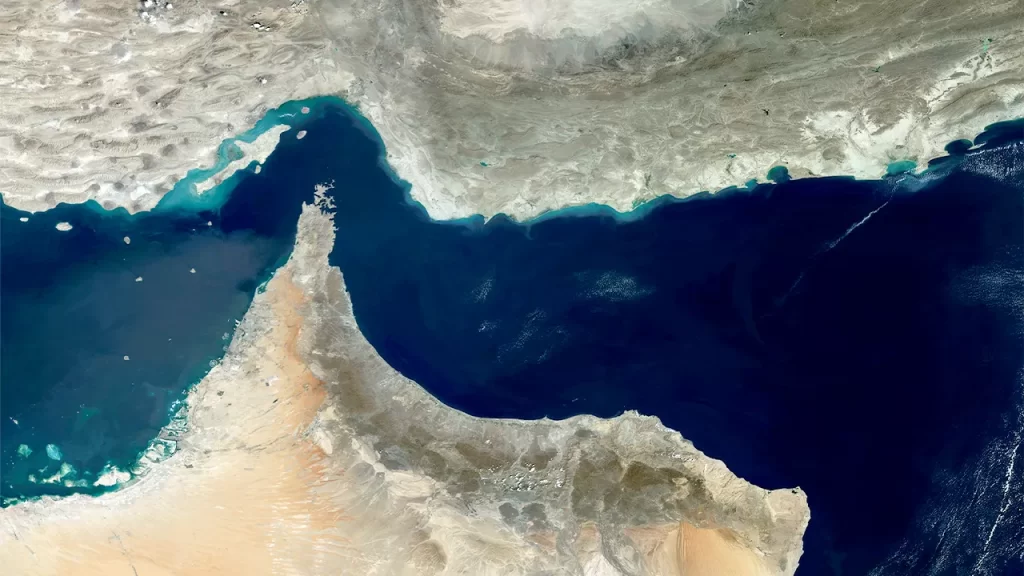
The key oil routes in question primarily include the Strait of Hormuz, one of the most vital maritime chokepoints globally, through which approximately 20% of the world’s oil supply passes.
Economic Implications
The reopening of these routes could drastically lower oil prices, benefiting both consumers and businesses worldwide. Conversely, disruptions to oil flow can lead to price hikes and economic instability in oil-importing nations.
US-Iran Tensions: A Brief Overview
Historical Context
The US-Iran relationship has been tumultuous since the 1979 Iranian Revolution. Tensions escalated further following the US withdrawal from the Joint Comprehensive Plan of Action (JCPOA) in 2018, resulting in renewed sanctions on Iran.
Recent Developments
In recent months, confrontations have escalated, with incidents like drone strikes and naval confrontations in the Gulf exacerbating the situation. These developments have raised concerns about a potential conflict, heightening the need for a ceasefire.
Impacts of Reopening Oil Routes
On Global Oil Markets
Reopening key oil routes could:
- Stabilize Prices: With increased availability of oil in the market, prices could stabilize or even decrease.
- Enhance Supply Chain Efficiency: Uninterrupted oil flow would lead to smoother logistics and trade, benefiting multiple economies.
On Regional Stability
A successful ceasefire may:
- Lower Military Escalation: The proposal offers a chance for peace, reducing the likelihood of military engagements in the region.
- Foster Economic Development: With stable oil trade, nations in the region can focus on economic growth instead of defense.
Challenges to the Ceasefire Proposal
Skepticism from Stakeholders
While the ceasefire proposal offers a glimmer of hope for peace, skepticism remains among key stakeholders. Historical precedence shows that ceasefires have often been tenuous, and both parties may be reluctant to fully cooperate.
Potential for Violations
There are concerns that rogue elements within Iran or militant groups might violate the ceasefire, further complicating negotiations and leading to renewed conflict.
The Role of Global Powers
US Position
The U.S. government has historically taken a hardline approach toward Iran, with sanctions aimed at curbing its nuclear ambitions and regional influence. However, a strategic pivot toward diplomatic negotiations could enhance U.S. credibility and influence in the region.
European Union’s Involvement
The European Union has been an advocate for diplomacy and may play a crucial role in mediating discussions between the U.S. and Iran. Their involvement could lend credence to the ceasefire proposal and ensure compliance from both sides.
Future Implications for Oil Trade
Reconfiguring Trade Patterns
If the ceasefire leads to the reopening of oil routes, we may witness a reconfiguration of trade patterns. Countries in the Gulf Cooperation Council (GCC) may increase their oil exports, leading to shifts in market dynamics.
Investment Opportunities
With increased stability, international investors may re-enter the region, seeking opportunities in oil and gas exploration and production. This could lead to job creation and infrastructure development, further bolstering regional economies.
Conclusion: A Crucial Moment in US-Iran Relations
The ceasefire proposal is more than just a diplomatic gesture; it is pivotal in determining the future of oil trade routes and overall peace in the Middle East. As global markets await developments, the international community must remain vigilant and engaged in pursuing a peaceful resolution to the ongoing US-Iran tensions. While challenges remain, the potential benefits of reopening key oil routes may provide the impetus needed for both parties to commit to lasting dialogue and reconciliation.
As this situation unfolds, stakeholders, from policymakers to investors, must stay informed and prepared to navigate the complexities of this ever-evolving geopolitical landscape. The world watches closely, hoping for a peaceful resolution that can restore stability and progress in a critical region of the globe.