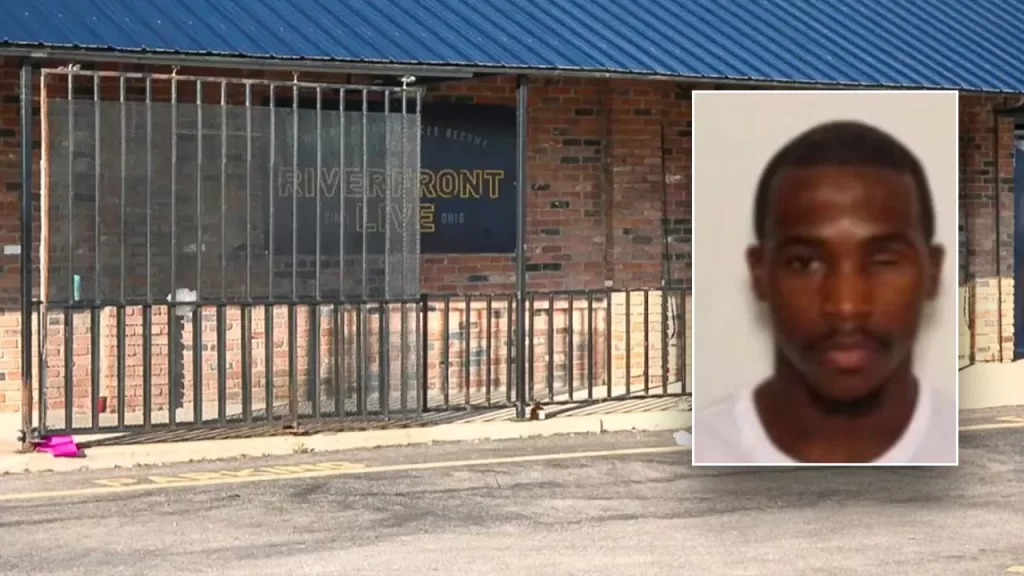

Cincinnati Mayor Opposes Bail for Mass Shooting Suspect
Introduction
In a move that has sparked considerable debate and concern, Cincinnati Mayor Aftab Pureval recently took a firm stance against granting bail to a suspect involved in a mass shooting incident in the city. This incident has raised pressing questions about public safety, mental health, and the criminal justice system in the United States.
Background on the Incident
In recent weeks, Cincinnati was shaken by a tragic mass shooting that left several individuals injured and the community in distress. The suspect, who has been arrested and charged, allegedly opened fire in a crowded area, prompting swift action from law enforcement. This incident is part of an alarming trend of gun violence that has been affecting cities across the nation, including Cincinnati.
The Mayor’s Position
Mayor Pureval’s opposition to bail for the shooting suspect comes from a profound concern for public safety. He argues that allowing the suspect to be released before trial poses an unacceptable risk to the community. During a press conference, the mayor stated that the city “needs to protect its residents” and that offenders who commit heinous acts like mass shootings should not have the opportunity to walk free before their court proceedings.
The Legal Framework
In the United States, the legal system generally operates under the principle of “innocent until proven guilty.” However, the mayor’s position underscores a growing sentiment in various communities about the need for a reevaluation of bail practices, especially for violent crimes. Many advocates argue that the current bail system can sometimes favor the wealthy, allowing those who can afford it to avoid pretrial detention, while others languish in jail for lesser charges.
Public Safety Concerns
Public safety is a fundamental issue that compels officials to reassess how bail is granted. Recent data has shown that individuals with violent criminal histories can sometimes be granted bail, endangering the community further. The mayor’s stance resonates with citizens who fear that the release of dangerous offenders can lead to increased crime rates and even more mass shootings.
Community Impact
The impact of gun violence on communities is profound. Beyond the immediate threat to life and safety, these incidents also instill fear and anxiety among residents. Businesses may suffer from decreased foot traffic, and community cohesion can erode as individuals become wary of one another. Mayor Pureval’s advocacy for strict bail policies surrounding violent offenders aims to restore a sense of security in Cincinnati.
Mental Health Implications
Another critical element in this discussion is the mental health of individuals involved in mass shootings. Many offenders may suffer from untreated mental health issues that contribute to their violent actions. Mayor Pureval has called for enhanced resources dedicated to mental health support and intervention programs.
The Role of Mental Health in Crime Prevention
Addressing mental health proactively can often mitigate the risks associated with violent behavior. By investing in mental health services, cities can work towards preventing future incidents before they occur. Mayor Pureval believes that a holistic approach involving both criminal justice reform and mental health resources is crucial for long-term public safety.
Community Response
The mayor’s call to oppose bail for the mass shooting suspect has garnered mixed reactions within the community. Many residents support his stance, believing it prioritizes public safety. Others, however, argue that every accused individual deserves a fair trial and the chance for rehabilitation.
Engaging the Community
Civic engagement is integral to shaping policies surrounding criminal justice. The mayor encourages residents to voice their opinions and participate in public forums, ensuring that community insights inform decisions on these critical issues.
Legislative Implications
Mayor Pureval’s position on bail ties into broader legislative efforts to reform the criminal justice system. States across the nation are grappling with the question of how to balance public safety with defendants’ rights. The mayor has indicated that he will advocate for legislative changes that support stricter bail measures, especially for violent offenders.
Advocacy for Criminal Justice Reform
Criminal justice advocates argue for a system that is equitable and just, one that does not disproportionately affect marginalized communities. Addressing systemic inequities can pave the way for a fairer legal system. Mayor Pureval’s stance aligns with these goals, urging for reforms that protect both community members and the rights of the accused.
The National Context
The situation in Cincinnati is part of a broader national dialogue surrounding gun violence and criminal justice reform. Cities across the United States are facing similar challenges, and officials are tasked with finding solutions that both uphold justice and prioritize public safety.
Gun Violence Statistics
Recent studies indicate a troubling rise in gun-related incidents in urban areas. This alarming trend highlights the urgent need for comprehensive policies that address both gun control measures and proactive community safety initiatives.
Conclusion
Cincinnati Mayor Aftab Pureval’s firm opposition to bail for the mass shooting suspect underscores the complexities of public safety, mental health, and criminal justice reform. As debates continue, it is evident that community involvement, effective mental health support, and legislative advocacy are crucial components in addressing the rising concerns regarding violence in society. By prioritizing these issues, lawmakers and community leaders can work towards creating a safer future for all citizens.
Call to Action
Citizens are encouraged to engage in discussions about public safety, mental health resources, and criminal justice reform in their communities. By advocating for change and supporting effective policies, residents can play an active role in shaping a safer and more equitable environment for everyone.