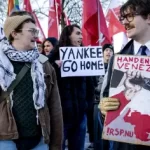
In a recent statement, U.S. Secretary of State Marco Rubio has emphasized that the United States is not engaged in a war with Venezuela. This declaration comes amidst rising tensions in the region and ongoing discussions about U.S. foreign policy concerning the South American nation. Rubio’s remarks aim to clarify the U.S. stance as the situation in Venezuela continues to deteriorate under the authoritarian regime of President Nicolás Maduro.
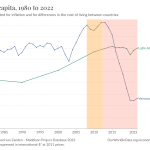
Venezuela has faced a multifaceted crisis characterized by political instability, economic collapse, and humanitarian challenges. Millions of citizens have fled the country in search of better living conditions, leading to one of the largest migration crises in Latin American history. The Maduro administration has been accused of human rights abuses, suppression of dissent, and corruption, which has prompted widespread condemnation from various international actors, including the U.S.
Rubio’s assertion that the U.S. is not at war with Venezuela is significant for several reasons. First, it underscores a policy approach focused on diplomatic rather than military solutions. The United States has historically intervened in Latin American affairs, and a military stance could exacerbate the already tenuous situation in Venezuela, potentially leading to regional instability. By declaring that the U.S. is not at war, Rubio signals a commitment to exploring avenues of dialogue and support for the Venezuelan people, rather than direct intervention.
Furthermore, Rubio’s comments reflect a growing consensus within the U.S. government that addressing the Venezuelan crisis requires a multifaceted strategy. This includes economic sanctions aimed at key Maduro regime officials and entities implicated in human rights abuses, as well as support for humanitarian aid. Recent initiatives have sought to bolster opposition leaders and civil society groups advocating for democratic reforms, emphasizing the importance of grassroots movements in the fight against autocracy.
The U.S. remains committed to a peaceful transition toward democracy in Venezuela, where citizens can freely express their political will. Rubio’s statement serves as a reminder that while the U.S. government stands against the Maduro regime’s oppressive tactics, the focus remains on supporting the Venezuelan populace rather than engaging in military conflict.
As challenges persist in Venezuela, it is essential for international stakeholders, including the U.S., to remain vigilant and responsive. Rubio’s clarification highlights a nuanced approach that prioritizes diplomacy and humanitarian support over military action, reflecting a commitment to the ideals of democracy and human rights that resonate deeply within U.S. foreign policy.
For more details and the full reference, visit the source link below: