
Colorado Springs Climber Rescued After 30-Foot Fall: A Detailed Account of the 3-Hour Operation
In a dramatic and challenging rescue operation, a climber from Colorado Springs experienced a life-threatening 30-foot fall shortly after noon, prompting a swift response from emergency services. This incident not only highlights the perils associated with climbing but also showcases the dedication of rescue teams who risk their own safety to save lives.
The Incident: What Happened?
On a sunny afternoon, the climber was navigating a popular rock formation in the Colorado Springs area. Like many enthusiasts, he was captivated by the breathtaking views and the challenge that climbing presents. Unfortunately, while scaling the rock face, he lost his footing and fell approximately 30 feet. Witnesses nearby quickly alerted local authorities, prompting a rapid response from the Colorado Springs Fire Department and Search and Rescue teams.
The climber’s fall was not just a physical setback; it left him in significant distress, with injuries that necessitated immediate medical attention. First responders arrived on the scene within moments, assessing the situation and preparing for a complex rescue effort.
Quick Response from Emergency Services
Emergency services in Colorado Springs are well-trained for such incidents, often dealing with the diverse challenges posed by mountainous terrain. The first responders included a combination of paramedics, firefighters, and specialized Search and Rescue (SAR) personnel. They arrived equipped with the necessary tools and technology to execute a successful rescue.
Detailed Assessment and Planning
Upon arrival, the team immediately conducted a detailed assessment of the climber’s condition and the surrounding area. With many rocky outcrops and steep cliffs, safety was the primary concern for both the victim and the rescue team. The SAR unit devised a carefully crafted plan, taking into account the climber’s injuries and the challenging environment.
The 3-Hour Rescue Operation
The rescue operation unfolded over approximately three hours, a period filled with tension and meticulous planning. Each minute counted, but the safety of both the climber and the rescue team was of utmost importance.
Preparation and Gear
Before commencing the rescue, the team meticulously prepared their gear. They utilized ropes, harnesses, and other climbing equipment to ensure a secure operation. The team also had medical supplies on hand to provide immediate care once the climber was reached.
Ascending for Safety
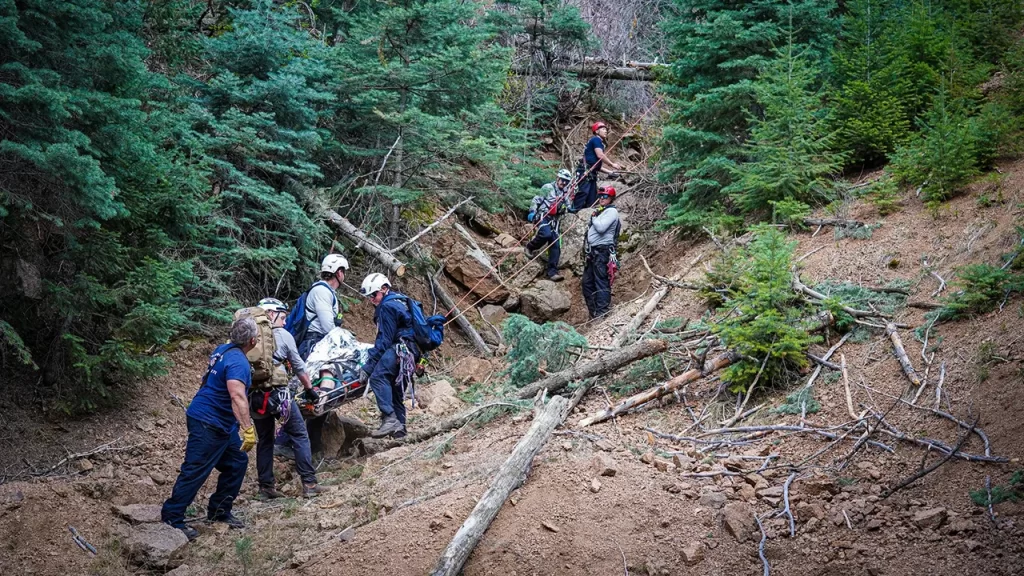
One of the critical aspects of the rescue involved a rope ascent. Rescuers harnessed themselves in teams and carefully navigated the rock face to reach the injured climber. Communication was key during this phase, with the team leader directing movements and ensuring that each member remained safe as they climbed.
Administering First Aid
Once the rescue team reached the climber, they quickly assessed his injuries and provided essential first aid. This included stabilizing his condition and preparing him for transport. The team worked diligently to balance the urgency of the situation with the need for caution to avoid further exacerbating the climber’s injuries.
The Role of Technology in Rescues
Modern technology plays a crucial role in climbing rescues. In this case, teams used radios for seamless communication throughout the operation. GPS devices helped pinpoint the exact location of the climber, ensuring a swift and efficient response.
Challenges Faced During the Rescue
Despite the team’s expertise, several challenges arose during the operation. Weather conditions were favorable, but the rocky terrain posed its difficulties. In addition, the physical exertion required to navigate the cliffside, coupled with the need for clear communication and coordination among team members, added layers of complexity to the operation.
Mental Fortitude
The psychological aspect of rescue operations cannot be underestimated. Both the rescuers and the climber faced immense pressure. The climber, unsure of what lay ahead, had to rely on the rescue team while also keeping calm amidst the chaos. Meanwhile, the rescue team had to maintain focus in an emotionally charged environment.
Successful Conclusion: The Climber’s Safe Return
After three hours of intense activity, the climber was safely extracted from the rocky ledge. He was carefully secured in a rescue litter and lowered safely to the ground. The medical team on-site conducted a thorough examination before transporting him to a local hospital for further treatment. The climber’s resilience, paired with the skill and dedication of the rescue team, ultimately ensured a successful outcome.
What Climbers Can Learn From This Incident
This incident serves as a sobering reminder of the risks associated with climbing and the importance of being prepared. Here are some essential lessons for aspiring climbers:
1. Always Use Proper Equipment
Using top-notch climbing gear is crucial. This includes harnesses, helmets, and ropes designed for the specific type of climbing you are undertaking. Regular maintenance and checks on your gear can prevent accidents.
2. Know Your Limits
Climbers should respect their own skill levels and not push beyond them. It’s essential to understand when to call it a day and prioritize safety over ego.
3. Stay Informed
Always be aware of the weather and environmental conditions before embarking on a climb. Changing conditions can significantly alter the risks involved.
4. Communicate
Effective communication is vital not only among climbing partners but also with emergency services. Ensuring that someone knows your climbing route and expected return time is a lifesaver.
5. Take First Aid Courses
Understanding first aid can make a substantial difference in emergencies. Familiarity with basic life-saving techniques can greatly aid in stabilizing a situation until professional help arrives.
Conclusion: A Call for Enhanced Safety Measures
As thrilling as climbing can be, it is fraught with risks. Incidents like the recent 30-foot fall serve as important reminders of the need for caution and preparedness. The specialized skills of rescue teams in Colorado Springs deserve recognition, as they exemplify dedication, bravery, and expertise in perilous situations.
In summary, whether you are a seasoned climber or a novice, understanding the risks, utilizing appropriate safety measures, and being ready for emergencies will ensure a more secure and enjoyable climbing experience. Always remember: safety should come first—adventure can wait.