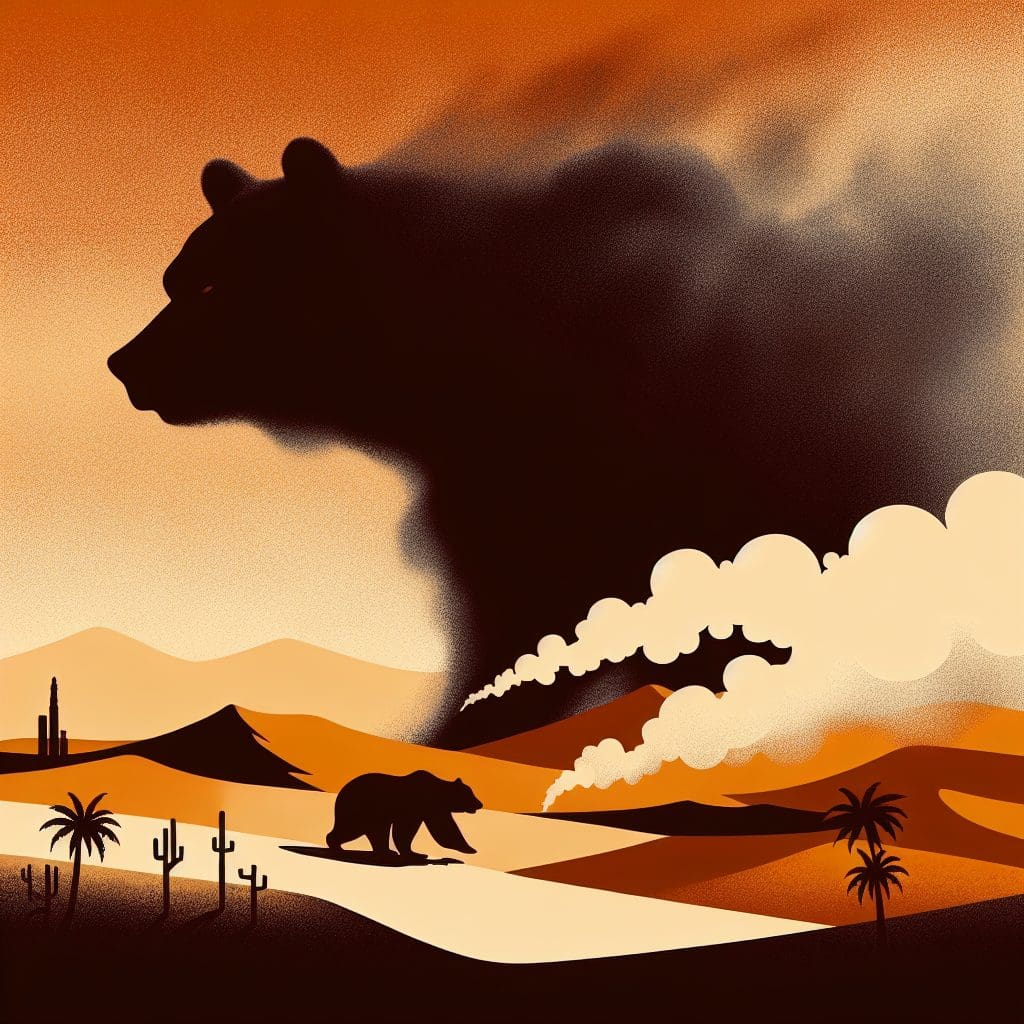

The ongoing conflict in the Middle East has led to a complex web of geopolitical dynamics, with Russia strategically positioning itself to capitalize on the chaos. As various nations grapple with internal strife and power vacuums, Russia has sought to expand its influence, presenting itself as a stabilizing force amidst the turmoil.
Historically, the Middle East has been a region of significant geopolitical interest for major powers. The dissolution of the Soviet Union left Russia seeking to re-establish a foothold in this vital area. Recent conflicts, including the Syrian civil war and the power struggles in Libya and Iraq, have provided Russia with opportunities to project its influence. By supporting governments or factions that align with its interests, Russia has been able to gain a stronger regional presence.
In Syria, Russia’s military intervention in 2015 marked a turning point, bolstering the regime of Bashar al-Assad and securing its naval facility in Tartus, which is crucial for maintaining a military supply line in the Mediterranean. This decisive action not only reasserted Russia’s role as a key player in Middle Eastern affairs but also underscored its willingness to challenge Western dominance in the region. The chaos of the Syrian conflict allowed Russia to present itself as a more reliable partner compared to Western nations, which were often seen as intervening for self-serving reasons.
Furthermore, as the United States and its allies have grappled with their strategies in the region, Russia has positioned itself as a mediator in various conflicts, including facilitating talks between Turkey and the Kurdish forces in Syria. This maneuvering allows Russia to expand its diplomatic reach and foster relationships with multiple stakeholders, further cementing its influence. Ironically, while the chaos fuels regional insecurity, it also enables Russia to stabilize its interests by presenting itself as a peacekeeper and a key player in managing conflicts.
Moreover, the shifting alliances in the Middle East open doors for Russia to strengthen ties with countries like Iran and Turkey. These partnerships allow Russia to counterbalance U.S. influence while expanding its economic and military engagements. The energy sector remains crucial; Russia has leveraged its position to engage in oil contracts and arms deals, further embedding itself in the Middle Eastern geopolitical fabric.
In conclusion, while the conflict in the Middle East spawns chaos and instability for many, it concurrently offers Russia a unique opportunity to enhance its geopolitical standing. By navigating the intricate landscape of alliances and rivalries, Russia seeks to emerge as a formidable player in a region that has long been characterized by external interventions and power struggles. Through calculated partnerships and assertive actions, Russia aims to transform disorder into a platform for sustaining and expanding its influence.
For more details and the full reference, visit the source link below: