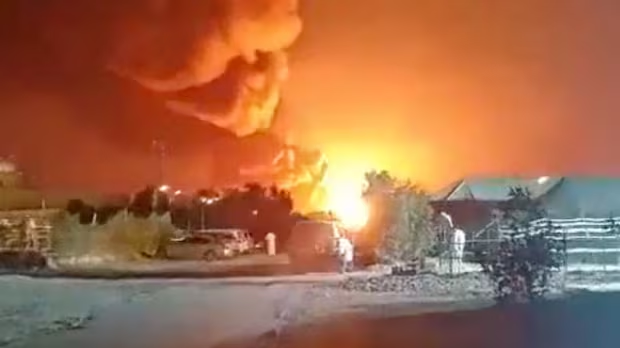

In a recent outburst that has captured public attention, Conservative MP Michael Barrett expressed his dismay over the federal government’s silence regarding a missile strike that targeted a Canadian camp abroad. Speaking passionately to reporters, Barrett described the situation as “shameful,” criticizing the lack of a formal response or condemnation from Ottawa in the wake of the attack.
Barrett’s remarks reflected a growing concern among lawmakers about the safety of Canadian military personnel stationed overseas. The missile strike, which reportedly occurred in a volatile region, raised alarms not only about the immediate threat to Canadian lives but also the implications for Canada’s international standing.
In his statement, Barrett highlighted the importance of swift and decisive action from the government, emphasizing that silence could be interpreted as tacit approval or indifference. He argued that in an age where global conflicts increasingly threaten the safety of soldiers, Canadian leaders must make loud, clear statements to ensure both accountability and solidarity with their troops.
Critics of the government’s inaction have pointed out that silence can embolden aggressors, particularly in regions where Canada has been involved in peacekeeping or military operations. Barrett’s call for a robust response is echoed by many who believe that it is essential for Ottawa to not only acknowledge the risks faced by its armed forces but also to actively engage in diplomatic efforts to de-escalate tensions in affected areas.
Furthermore, Barrett’s comments underscore a larger theme of accountability and transparency in government. Many Canadians expect their leaders to have strong stances on international security, especially when the lives of their fellow citizens are at stake. As discussions continue around defense policies and the role Canada plays on the global stage, this incident may provoke a re-examination of how the government communicates and acts in times of crisis.
The backlash from Barrett and other concerned MPs may push the Trudeau government to take a more visible stance in international affairs moving forward. The expectation is that Canadian leaders will prioritize the safety of their military personnel while also addressing the broader implications of international conflicts. As debates ensue, it becomes increasingly clear that the Canadian public desires not only leadership but also a government willing to advocate fiercely for its citizens, especially when they find themselves in harm’s way. In the face of recent events, the call for accountability and decisive action has never been more pressing.
For more details and the full reference, visit the source link below: