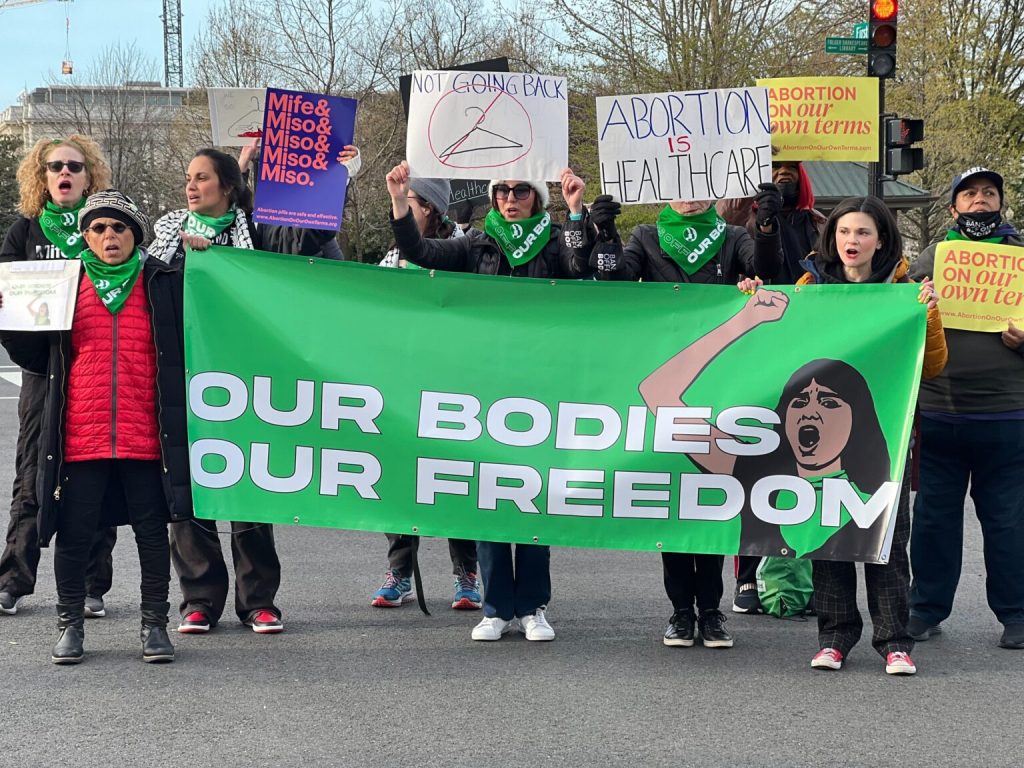

In 2026, critical lawsuits surrounding abortion pills have emerged as a significant judicial battleground in the United States, reshaping policies and influencing the broader conversation on reproductive rights. With the overturning of Roe v. Wade in 2022, states have varied widely in their approaches to reproductive healthcare, with some enacting stringent restrictions, while others have sought to protect access to abortion services, including medication-induced abortions.
At the heart of these lawsuits is the legal status of mifepristone and misoprostol, the two drugs commonly used in medical abortions. These pills account for a substantial majority of abortions in the United States, leading to heightened scrutiny and regulatory challenges. The lawsuits have primarily focused on claims regarding the safety and efficacy of these medications, alongside arguments pertaining to state versus federal jurisdiction in regulating pharmaceuticals.
One major lawsuit involves several states challenging the approval of these drugs by the Food and Drug Administration (FDA). Critics argue that the approval process had flaws and that the drugs pose health risks that need reevaluation. Conversely, proponents of reproductive rights assert that these lawsuits are a politically motivated attempt to restrict access to necessary healthcare. The outcomes of these cases can potentially result in substantial changes to how abortion pills are regulated, influencing access across various states.
In some instances, rulings have led to restrictive measures, creating a patchwork of availability that varies by state. In states that have filed lawsuits, women may face increased barriers to accessing medical abortions. For instance, some jurisdictions have enacted laws requiring physicians to provide details on the risks associated with abortion pills, despite existing medical consensus supporting their safety. Conversely, more progressive states have sought to bolster access, responding to public demand for reproductive health services while contesting restrictive laws in courts.
The impacts of these lawsuits extend beyond individual cases; they reflect broader societal divisions regarding reproductive rights. As the legal landscape evolves, it triggers discussions and mobilizations around women’s health and autonomy, raising critical questions about the future of reproductive services in America. Advocates on both sides are rallying support, knowing that the implications could shape not only health policy but also the political arena in the years to come.
By 2026, the outcomes of these critical abortion pill lawsuits will not only influence access to abortion services but may also provoke further legislative action and public engagement, setting the stage for a intensely contested future of reproductive rights in the United States. As these legal battles unfold, the nation watches closely, aware that their consequences will reverberate widely, reshaping policy and the lives of countless individuals.
For more details and the full reference, visit the source link below:
Read the complete article here: https://brusselsmorning.com/abortion-pill-lawsuits-2026/88953/