
The situation regarding civil liberties in Venezuela has become a point of significant concern, especially given the country’s ongoing political and economic crises. Various reports from human rights organizations, international bodies, and local stakeholders have highlighted the systematic violations of civil liberties in Venezuela, which serve as a critical test not only of the nation’s democratic framework but also of its societal cohesion.
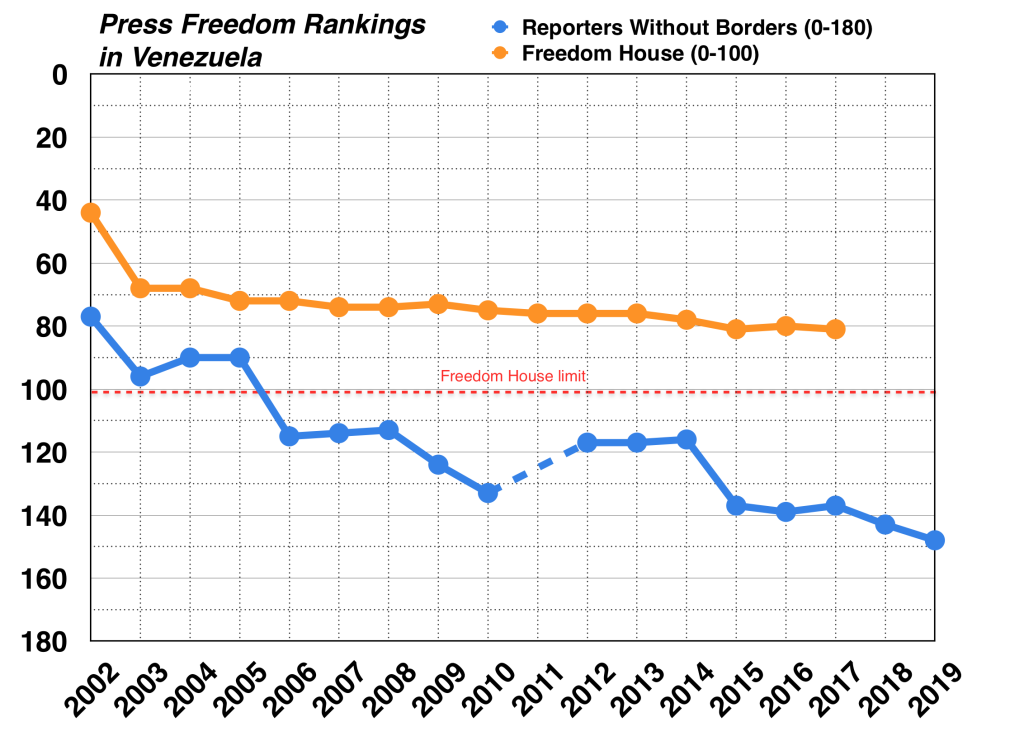
To begin with, the right to freedom of expression faces severe restrictions. Journalists, activists, and ordinary citizens have reported harassment, arbitrary detention, and even violence for speaking out against the government. Many media outlets have been shut down or censored, leading to a climate of fear that stifles open dialogue and dissent. This suppression of free speech is evidenced by the government’s stringent controls over news content, which often portrays a highly sanitized version of reality while painting opposition figures and dissenters in a negative light.
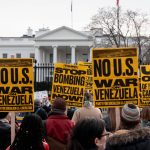
Moreover, the right to assembly is also under threat. Protests against government policies and the dire economic situation—characterized by hyperinflation, shortages of basic goods, and rampant poverty—are frequently met with police brutality. The government’s heavy-handed response to peaceful demonstrations has resulted in numerous injuries, arbitrary detentions, and even fatalities. Such actions not only violate international human rights norms but also undermine the citizens’ ability to express their grievances and demand change.
The legal system in Venezuela has also come under scrutiny, as it has increasingly been used as a tool for political repression rather than for the administration of justice. Individuals accused of political dissent often find themselves subjected to unfair trials, with limited legal representation and a lack of transparency. This erosion of judicial independence raises alarm over the rule of law, suggesting that backing for civil liberties is increasingly being sacrificed for political control.
Furthermore, the plight of political prisoners exemplifies the urgent need for intervention. Many individuals are incarcerated solely for their opposition to the government, with reports detailing cases of torture and inhumane treatment in detention facilities. Such conditions reveal a gross violation of fundamental rights and emphasize the necessity of advocacy for their release and proper treatment.
In conclusion, the testing of civil liberties in Venezuela reflects a broader struggle for democracy and human rights within the country. The population’s resilience in the face of oppression highlights the enduring demand for freedom, dignity, and justice. While external pressure and international frameworks can provide some leverage, the ultimate responsibility lies with the Venezuelan people to reclaim their rights and reshape the future of their nation. The challenge ahead is monumental, but the fight for civil liberties remains a beacon of hope in these trying times.
For more details and the full reference, visit the source link below:
Read the complete article here: https://brusselsmorning.com/civil-liberties-venezuela-2026/89057/