
The ongoing political landscape in the Central African Republic (CAR) underscores a crucial turning point for the nation as it prepares for pivotal elections. Following years of conflict and instability, the stakes in these elections are exceptionally high, embodying a critical juncture for the country’s future.
Since gaining independence in 1960, CAR has grappled with a series of coups, civil wars, and rampant violence, significantly hampering its development. The most recent crisis escalated in 2013, following a coup that led to widespread intercommunal violence, the displacement of millions, and the emergence of various armed groups. The subsequent political turmoil has left many citizens disillusioned with the prospects of democracy and governance.
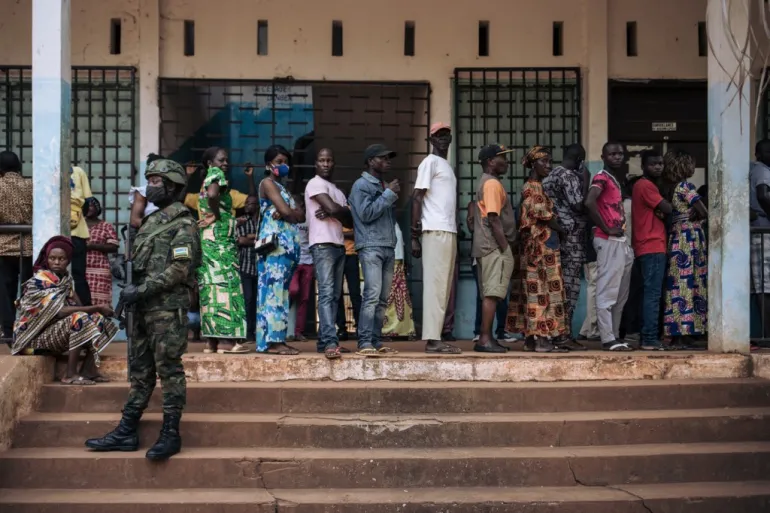
The upcoming elections carry significant implications for the CAR’s political legitimacy and stability. With a history of contested electoral processes, the successful organization and conduct of these elections are vital. They not only represent an opportunity for the citizens to choose their leaders democratically but also a chance to rebuild trust in governmental institutions. International observers and local civil society groups are keenly monitoring the electoral process, emphasizing the necessity for transparency and fairness.
Furthermore, the stakes extend beyond mere political leadership. These elections are pivotal for peace-building efforts in a country characterized by ethnic and political divides. In recent years, various peace agreements have been brokered, yet the implementation has often faltered due to ongoing violence. A stable and representative government emerging from these elections could catalyze reconciliation efforts and foster long-term peace.
Economic recovery is also at the forefront of this critical moment. The CAR is endowed with rich natural resources, yet persistent conflict has stifled economic growth and development. Effective governance stemming from these elections could attract foreign investment, improve infrastructure, and bolster the economy. This, in turn, would address poverty and improve the living conditions of millions of citizens.
However, the environment leading up to the elections is fraught with challenges. Armed groups continue to exert influence over various regions, creating an atmosphere of insecurity. The electoral process risks being derailed if tensions rise and violence escalates. Addressing the security situation is essential not only for a peaceful election but also for the long-term stability of the CAR.
In summary, the stakes of the upcoming elections in the Central African Republic are monumental. As the nation stands at a crossroads, the choices made in this electoral cycle will significantly influence its political trajectory, socioeconomic prospects, and the overarching quest for peace and stability. The world watches closely, hoping for a step towards a brighter future for the Central African people.
For more details and the full reference, visit the source link below:
Read the complete article here: https://brusselsmorning.com/election-stakes-africa/86787/