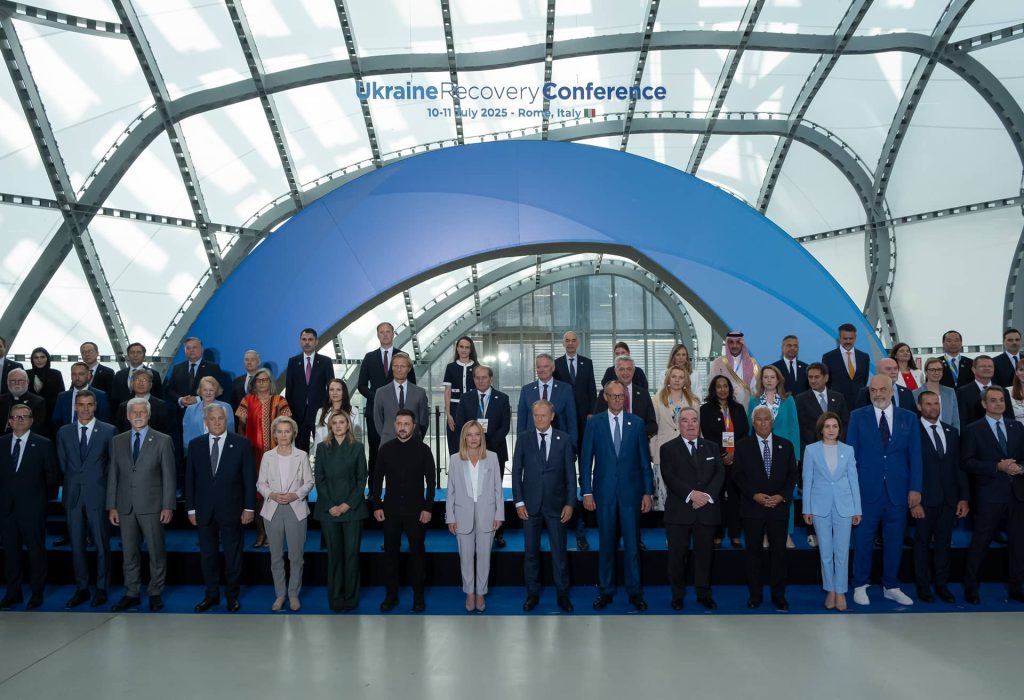

Critical European Integration Ukraine Strategy
The European Union (EU) has long recognized Ukraine as a key partner in its eastern neighborhood, particularly in the context of geopolitical stability, economic development, and democratic governance. The critical European integration strategy for Ukraine has evolved over time, motivated by the country’s aspirations for EU membership, its pivotal location between East and West, and the ongoing challenges posed by Russian aggression.
At its core, the strategy is centered around fostering Ukraine’s political and economic reforms, enhancing its resilience against external threats, and promoting a comprehensive approach to integration. The path toward full EU membership is laden with challenges; however, it is essential as it reflects Ukraine’s commitment to adopting European standards in governance, human rights, the rule of law, and market economy principles.
Political Reforms
Ukraine’s political landscape requires significant reforms to align with EU norms. This entails strengthening democratic institutions, increasing transparency, and combating corruption. The EU has established the Association Agreement, which includes a Deep and Comprehensive Free Trade Area (DCFTA) to enhance trade links and stimulate economic growth. By adhering to these agreements, Ukraine can achieve greater integration into the European market, elevating its economic prospects and fostering a more democratic political culture.
Economic Cooperation
Economically, Ukraine stands to gain significantly from deeper ties with the EU. The implementation of the DCFTA has already opened avenues for Ukrainian goods and services within the EU market, promoting industrial development and enhancing competitiveness. Additionally, financial support from the EU through various funding mechanisms aims to bolster Ukraine’s economy, particularly in sectors such as agriculture and digital innovation. This economic integration is instrumental, as it creates jobs and improves living standards, thus contributing to political stability.
Security Strategy
The security dimension of the European integration strategy is critical, particularly in light of Russia’s ongoing destabilizing actions. The EU has engaged in various security initiatives aimed at strengthening Ukraine’s defense capabilities through the Common Security and Defence Policy (CSDP). This involves strategic partnerships, joint military exercises, and intelligence sharing, which enhance Ukraine’s resilience against aggression. Moreover, political support from the EU, particularly during tumultuous times, underscores the EU’s commitment to Ukraine as a strategic partner.
Conclusion
In conclusion, the critical European integration strategy for Ukraine embodies a comprehensive approach that encompasses political, economic, and security dimensions. By fostering reform and strengthening ties with the EU, Ukraine not only enhances its prospects for membership but also builds a resilient framework to navigate future challenges. As the EU continues to stand by Ukraine’s side, the path toward integration offers not just benefits for Ukraine but also for the broader European region, fostering peace, stability, and shared democratic values.
For more details and the full reference, visit the source link below: