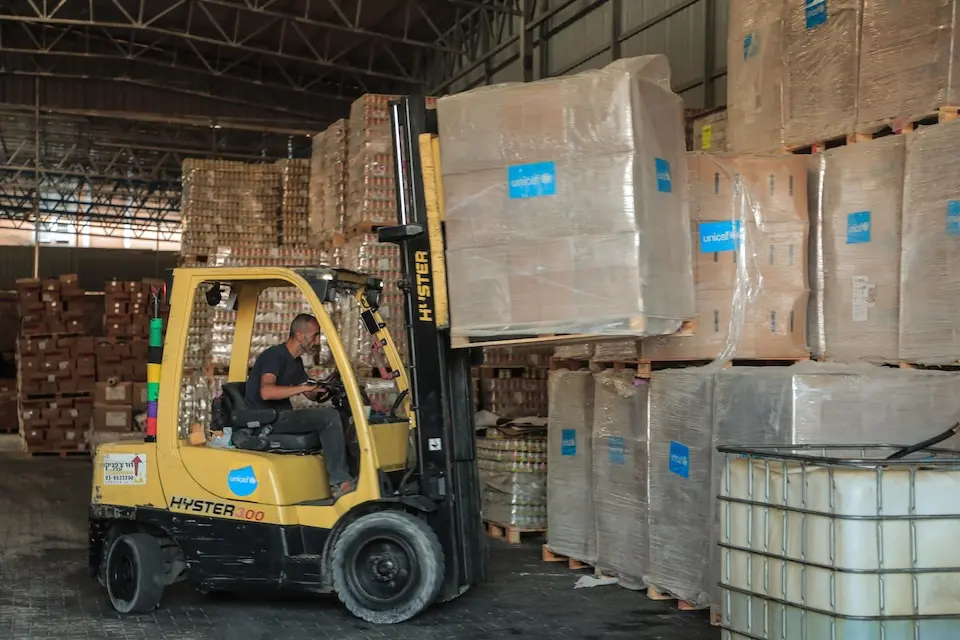

The recent decisions to impose bans on critical aid groups operating in Gaza have sparked significant alarm among humanitarian organizations, governments, and activists worldwide. These restrictions stem from escalating tensions in the region, complexities in international relations, and a deteriorating humanitarian situation. As the population of Gaza faces severe shortages of food, medical supplies, and basic services, the impact of these bans is profound and multifaceted.
International aid organizations play an essential role in addressing the urgent needs of the Gazan population, which has been compounded by years of blockades, conflict, and economic hardship. With a population density among the highest in the world, accessing essential services such as healthcare, clean water, and adequate nutrition is a constant challenge. Aid organizations provide vital resources, including food, medical assistance, and psychosocial support, essential for survival and well-being.
However, recent bans on certain humanitarian groups have led to a paralysis in aid operations. These organizations have been instrumental in navigating the complexities of the region, often working in collaboration with local partners to address the immediate needs of vulnerable communities. By restricting their operations, the bans risk exacerbating an already dire situation. Reports suggest that the health care system is nearing collapse, with hospitals struggling to treat patients amidst shortages of essential medicines and equipment.
The impact of these bans goes beyond immediate aid provision; they sever crucial lifelines that many Gazans rely on for survival. Malnutrition rates have soared, and the prevalence of preventable diseases is rising, particularly among children and the elderly. The psychological toll is equally significant, as trauma from ongoing conflict and instability lingers, leading to increased mental health issues.
Moreover, these bans have broader implications for global humanitarian principles. They raise critical questions about accountability, the protection of civilians, and the role of international actors in conflict zones. When humanitarian organizations are barred from providing assistance, it undermines the notion that all individuals, irrespective of their nationality or political affiliations, should have access to basic human rights.
The international community must respond urgently to address these challenges. Diplomatic efforts should focus on lifting these restrictions and ensuring that aid reaches those in need without obstruction. The necessity for a renewed commitment to uphold humanitarian principles is paramount, emphasizing the importance of protecting aid workers and safeguarding access to essential assistance for vulnerable populations in Gaza.
In conclusion, the bans on critical aid groups in Gaza represent a significant humanitarian crisis with profound implications. Immediate action is required to address the needs of those affected, ensuring that humanitarian principles are upheld, and that essential support reaches the people of Gaza.
For more details and the full reference, visit the source link below:
Read the complete article here: https://brusselsmorning.com/gaza-aid-group-bans/87770/