
The ongoing humanitarian crisis in Gaza has reached a critical juncture as disputes over a ceasefire intensify amidst tightening limitations on aid access. Following a surge in violence, calls for a ceasefire have intensified globally, with various nations and organizations advocating for an immediate halt to hostilities to facilitate humanitarian assistance. However, the complexities of the situation, rooted in a decades-long conflict, have made consensus elusive.
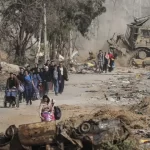
As the conflict escalated, the fallout disproportionately affected civilians, exacerbating an already dire humanitarian situation. Reports indicate that essential services, including healthcare and access to clean water, have become increasingly inadequate. Hospitals are overwhelmed, operating beyond their capacity, while critical infrastructure has suffered extensive damage due to ongoing military actions.
The blockade on Gaza, which has been in place for years, further complicates the delivery of humanitarian aid. Although some shipments managed to enter, the quantities are often insufficient to meet the needs of the population, and restrictions on the types of goods allowed exacerbate the crisis. Even as international organizations and governments urge for the provision of basic necessities, the lack of a comprehensive ceasefire hampers effective aid distribution.
Disputes over the terms of a ceasefire highlight the broader geopolitical tensions in the region. While many argue for an unconditional stop to hostilities to allow humanitarian access, others are concerned that such measures could inadvertently embolden specific factions or undermine negotiations for lasting peace. The stakes are high, as failure to reach an agreement could lead to further escalation of violence and a deteriorating humanitarian situation for civilians caught in the crossfire.
Moreover, the humanitarian aid community is exerting pressure on involved parties to prioritize the needs of civilians over military goals. They emphasize that any ceasefire agreement must include provisions that guarantee safe passage for aid workers and supply chains. Without such commitments, even the most well-intentioned plans may falter, leaving vulnerable populations without the assistance they desperately need.
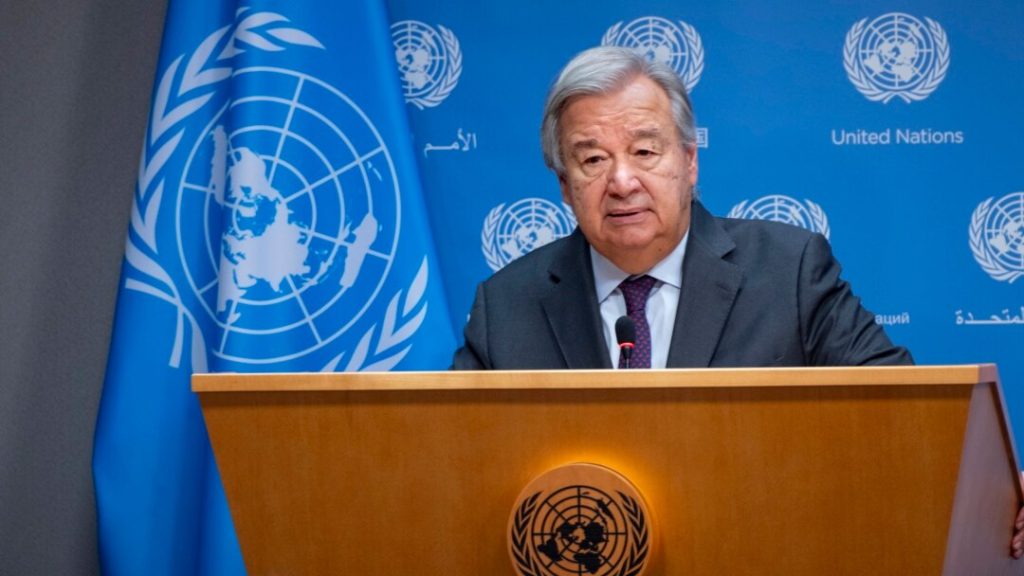
The international community’s response, including efforts led by the United Nations, remains watchful yet reactive, seeking a pathway to de-escalation while grappling with the realities on the ground. As negotiations for a ceasefire continue, the pressing need for aid access remains a priority, and the hope is that dialogue can pave the way for meaningful solutions. Ultimately, only a sustainable ceasefire can ensure that humanitarian aid reaches those in need and mitigate the suffering that has persisted for far too long.
For more details and the full reference, visit the source link below:
Read the complete article here: https://brusselsmorning.com/gaza-ceasefire-dispute/87803/