
As of 2026, the humanitarian situation in Gaza remains critical, with escalating challenges that impact the everyday lives of its residents. Years of blockade, repeated conflicts, and limited access to resources have contributed to a dire environment where basic needs are increasingly difficult to meet. The United Nations and various humanitarian organizations have frequently described Gaza as one of the most challenging regions globally for humanitarian aid.
One of the most pressing issues is the severe shortage of clean drinking water. The aquifers are over-extracted and polluted, leaving a significant portion of the population without access to safe water. Reports indicate that nearly 90% of the available water in Gaza is contaminated, leading to widespread health issues among the inhabitants, particularly affecting children who are more vulnerable to waterborne diseases.
Healthcare in Gaza is another area of grave concern. Hospitals and clinics struggle with inadequate supplies and equipment, exacerbated by the blockade that restricts the import of essential medical items. Many patients are forced to seek treatment outside Gaza, but travel restrictions often hinder their ability to receive timely care. The healthcare system is further strained by a high prevalence of chronic diseases and mental health issues stemming from the longstanding socio-political conflict and trauma experienced by the population.
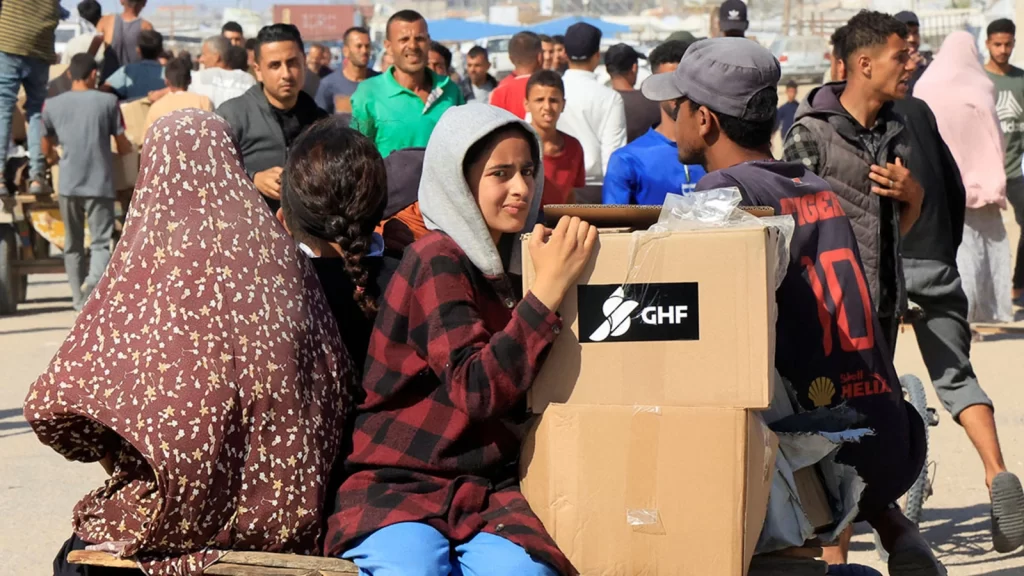
Food insecurity is rampant, with many families relying on humanitarian aid to survive. The United Nations has warned that a significant portion of the population is at risk of malnutrition. Restrictions on agricultural imports and exports have crippled local farmers and hindered food production, leading to rising prices and diminishing availability of essential food items. As a result, families are often forced to make difficult decisions, choosing between basic necessities like food, healthcare, and education.
Children in Gaza are particularly affected by this situation. The ongoing conflict and instability have disrupted their education, with many schools damaged or repurposed for emergency housing. Educational resources are also scarce, leading to a generation at risk of losing the opportunity for a stable future. Trauma from violence and loss adds another layer of complexity, affecting their mental wellbeing and social development.
International humanitarian organizations are tirelessly working to provide relief in this dire situation; however, their efforts are often limited by political constraints and funding shortages. The ongoing conflicts, coupled with the imposition of strict blockades, hinder their ability to deliver assistance effectively. Advocacy for a sustainable resolution to the crisis remains crucial, as solely providing immediate aid without addressing the underlying issues will not sufficiently alleviate Gaza’s humanitarian crisis. The call for action is urgent, emphasizing the need for a comprehensive approach to restore dignity and hope to the people of Gaza.
For more details and the full reference, visit the source link below:
Read the complete article here: https://brusselsmorning.com/gaza-humanitarian-situation-2026/91456/