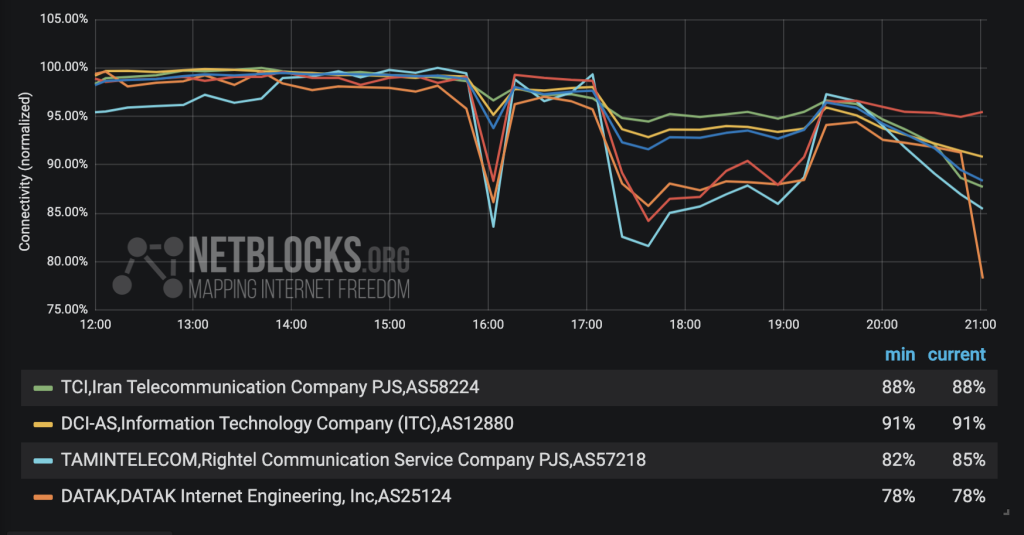

The Critical Iran Communications Crisis of 2026 marked a significant turning point in the geopolitical landscape of the Middle East and the broader global communications network. This crisis stemmed from a mix of political tension, technological vulnerabilities, and aggressive cyber warfare tactics, highlighting the fragility of modern communication systems in times of conflict.
In early 2026, rising tensions between Iran and Western nations, particularly the United States and its allies, took a dramatic turn as sanctions intensified and military posturing escalated. Iran, feeling cornered by economic restrictions and diplomatic isolation, resorted to cyber capabilities to assert its influence and retaliate against perceived adversaries. This included targeted cyberattacks on critical infrastructure in neighboring countries and even attempts at disrupting global communication networks.
The crisis began in March 2026 when a sophisticated cyberattack knocked offline a significant portion of Iran’s domestic communication infrastructure. This orchestrated attack, attributed to Western intelligence agencies, aimed to cripple Iran’s ability to disseminate information and coordinate military responses. However, it inadvertently led to widespread chaos within Iran, causing government communication channels to falter. This disarray allowed anti-government factions to engage in coordinated protests, exploiting the government’s weakened communication abilities.
Iran’s response was swift and brutal. The government imposed strict controls over internet access and communications, seeking to restore order while also cutting off information flows. In a move reminiscent of earlier crackdowns on dissent, security forces clamped down on social media platforms and independent news outlets, leading to a severe information blackout and increasing public unrest.
The international community quickly reacted to the disintegration of communications within Iran. Human rights organizations condemned the government’s measures, while foreign media highlighted the plight of civilians trying to navigate a collapsed communication infrastructure. The crisis drew attention to the importance of resilient communication systems in safeguarding civil liberties and maintaining sociopolitical stability.
As the situation escalated, regional powers like Russia and China saw an opportunity to intervene. They offered to support Iran in rebuilding its communication networks while simultaneously promoting their technological solutions as alternatives to Western systems. This geopolitical maneuvering shifted alliances and raised concerns among Western nations about a potential new axis of power developing in response to the crisis.
The Critical Iran Communications Crisis of 2026 ultimately underscored the intertwined nature of communication technology and global politics. It served as a stark reminder of the vulnerabilities inherent in digital infrastructures and the profound consequences that arise when geopolitical tensions manifest in cyber warfare. The aftermath of the crisis reshaped international relations, leading to renewed discussions about cybersecurity, digital sovereignty, and the ethical implications of using technology as a tool of geopolitical influence.
For more details and the full reference, visit the source link below:
Read the complete article here: https://brusselsmorning.com/iran-communications-crisis-2026/91045/