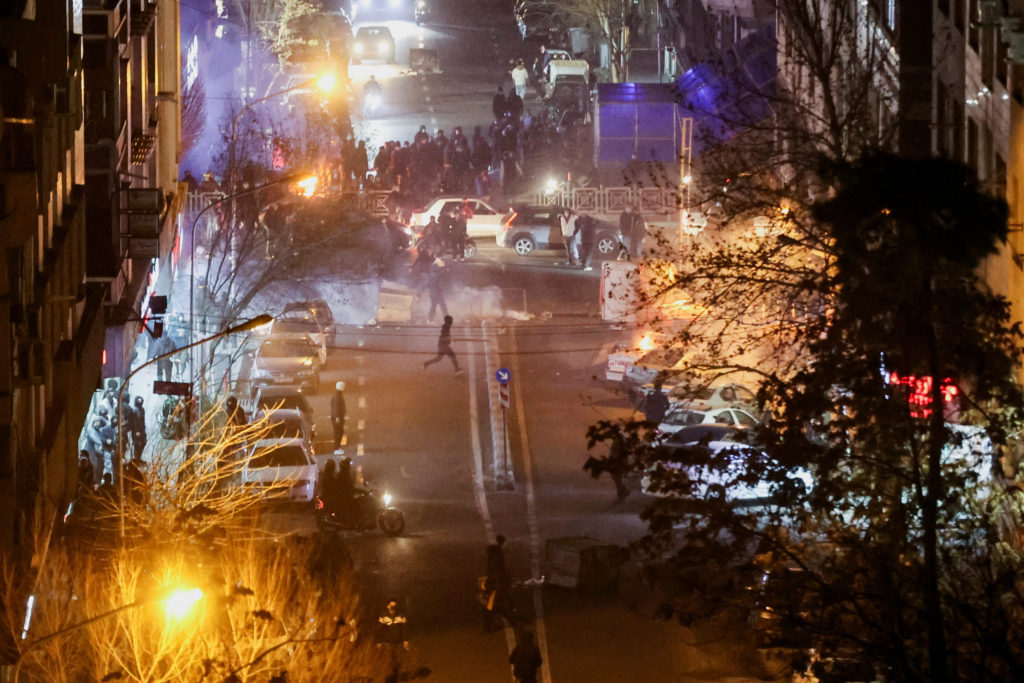

Critical Iran Political Transition Tests Iran Stability 2026
As Iran approaches significant political transitions in 2026, the nation’s stability is at a critical juncture. The complex interplay of internal and external pressures is shaping a landscape that could either lead to reform and increased stability or further turmoil.
Iran’s political system, dominated by conservative factions, has been challenged by a populace increasingly dissatisfied with economic hardship, widespread corruption, and social restrictions. Over the past decade, waves of protests have illustrated the people’s demand for accountability and reform. The socio-economic issues exacerbated by international sanctions, particularly those linked to Iran’s nuclear program, have intensified calls for change. By 2026, these pressures will likely converge, potentially leading to a pivotal election or leadership succession that may redefine the nation’s trajectory.
One of the most significant factors influencing Iran’s political landscape is the generational shift. The youth demographic, comprising a considerable portion of the population, is increasingly disillusioned with the status quo. With access to information through social media and a desire for a more open society, young Iranians are pushing for greater freedoms and economic opportunities. This demographic shift could prove crucial in determining the outcome of the 2026 political transitions.
On the international front, Iran’s relations with major powers, particularly the United States, Russia, and China, will significantly impact its stability. The potential for renewed negotiations regarding the nuclear deal could either provide a diplomatic respite or further inflame domestic tensions. Should the international community perceive Iran’s actions as defiant, it could lead to renewed sanctions, adversely affecting the economy and further igniting public dissent.
Economic challenges remain a critical vulnerability. With inflation rates soaring and employment opportunities diminishing, the Iranian populace is becoming increasingly restless. Economic mismanagement has only added to the frustrations. The government’s ability to respond effectively to these challenges will test its legitimacy and the support it garners from the citizenry.
Furthermore, regional dynamics, especially Iran’s relationships with neighboring countries, are crucial as well. The nation’s involvement in proxy conflicts across the Middle East complicates its internal stability. A shift in foreign policy, particularly in dealing with adversarial nations, could influence the balance of power within Iran.
As the clock ticks toward 2026, the interplay of these domestic and international factors will determine whether Iran experiences a smooth transition or faces a turbulent period of unrest. Political leaders must navigate the complex waters of reform demands while attempting to maintain control, as the outcomes will be pivotal not just for Iran, but for the broader Middle Eastern region. The stakes are exceedingly high, making the stability of Iran a critical concern for 2026 and beyond.
For more details and the full reference, visit the source link below: