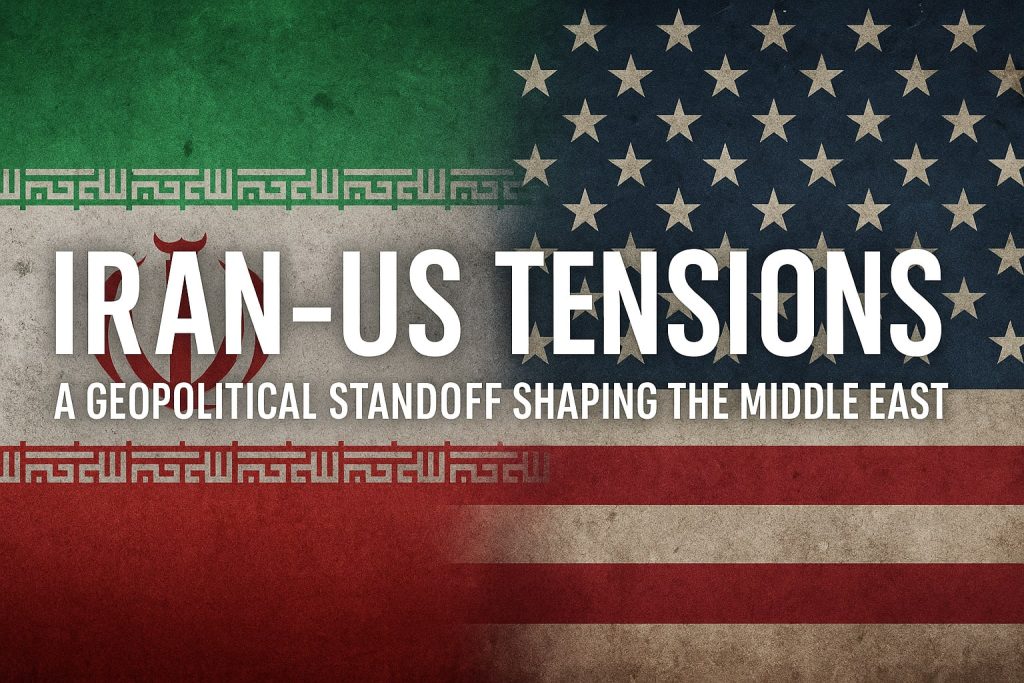

As we enter 2026, the escalating tensions between Iran and the United States continue to generate significant instability in the Middle East, raising alarms among regional and global stakeholders. These tensions have deep historical roots, stemming from a complex interplay of ideological, political, and economic factors. The stakes are increasingly high, with both nations engaged in a precarious game of power that threatens to spiral out of control.
At the forefront of the Iran-U.S. antagonism are issues surrounding Iran’s nuclear program and its extensive influence over proxy groups across the Middle East. While the Obama-era nuclear deal (JCPOA) aimed to curtail Iran’s nuclear ambitions, subsequent U.S. withdrawals and renewed sanctions under the Trump administration ignited a new wave of hostilities. In 2026, Iran has reportedly advanced its nuclear capabilities, and the prospects for a new deal seem dim. The rhetoric from both sides has become increasingly aggressive, with threats of military action echoing throughout the region.
The geopolitical landscape in the Middle East is further complicated by Iran’s relationships with various non-state actors. Countries such as Hezbollah in Lebanon and various Shiite factions in Iraq and Syria have been bolstered by Iranian support, providing Tehran with a strategic foothold across the region. This patronage system not only extends Iran’s influence but also poses a direct challenge to U.S. interests and its allies, particularly Israel and Saudi Arabia. The fear of an Iranian “crescent” stretching from Tehran to the Mediterranean has prompted regional powers to seek stronger alliances, often resulting in increased military cooperation, particularly among Gulf States and Israel.
The ramifications of continued U.S.-Iran tensions extend beyond the immediate players. Global energy markets are particularly vulnerable; any military escalation could lead to disruptions in oil supplies, triggering spikes in fuel prices and economic repercussions worldwide. Similarly, the humanitarian crises in war-torn regions exacerbated by Iranian proxy involvement complicate international diplomacy and further entrench regional instability.
Many observers argue that diplomatic resolutions are imperative to diffuse tensions. Attempts by European nations to mediate between Iran and the U.S. reflect this urgency, but entrenched positions on both sides make dialogue difficult. As we progress through 2026, the international community must grapple with the possibility of an armed confrontation, the fallout of which would be felt far beyond the Middle East, threatening global security and economic stability.
In summary, the mounting critical tensions between Iran and the United States present a grave challenge for the Middle East and the world at large. Without concerted diplomatic efforts and a commitment to de-escalation, the region risks descending into further chaos, with the potential for far-reaching consequences that could redefine global politics for years to come.
For more details and the full reference, visit the source link below:
Read the complete article here: https://brusselsmorning.com/iran-us-tensions/92900/