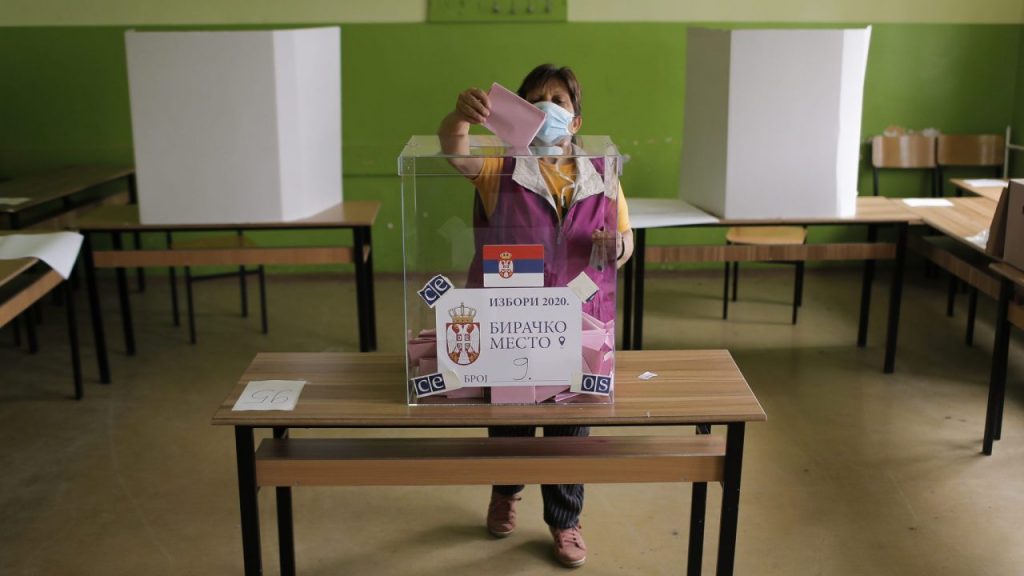

The recent snap election in Kosovo marks a pivotal moment in the nation’s ongoing political landscape, characterized by a prolonged deadlock that has stifled governance and hampered essential reforms. Following months of political impasse among various parties, the decision to call a snap election was seen as a necessary step to rekindle democratic processes and restore public confidence in state institutions.
The political crisis was largely initiated by disputes over governance and allegations of corruption, which led to widespread public disillusionment. Observers noted that the inability of the ruling coalition to maintain a cohesive agenda had significantly undermined legislative efforts, crippling the country’s governance at a time when economic recovery and the COVID-19 pandemic’s aftermath demanded urgent attention.
Voter turnout is expected to be high due to the public’s disenchantment with the status quo and the desire for change. The emergence of new political actors, alongside established parties, has created a diverse electoral landscape. Citizens are eager to express their views on pressing issues like economic reform, social justice, and national dialogue with Serbia, which remains a contentious topic in Kosovan politics.
International observers are closely monitoring the elections, emphasizing the importance of transparency and fairness in the electoral process. Kosovo’s previous elections have been marred by allegations of irregularities, and thus, ensuring a credible vote is crucial in restoring faith in democratic institutions. This election not only holds the potential for altering the political landscape but also serves as a litmus test for Kosovo’s democratic maturity.
Additionally, the snap election is being framed within the broader regional context, particularly concerning Kosovo’s aspirations for European integration. Meanwhile, persistent tensions with Serbia add complexity to the political arena. The new government will need to address diplomatic relations with neighboring states while advancing economic development and social harmony at home.
Following these elections, the winning party or coalition will face the immediate challenge of forming a stable government capable of enacting meaningful reforms. This includes fostering an environment conducive to foreign investments and tackling high unemployment rates, particularly among the youth, who represent a significant portion of the electorate.
As the ballots are cast and counted, the outcome of this snap election will be crucial for shaping the future of Kosovo. It represents not only a chance to break the current deadlock but also an opportunity to redefine political priorities in a nation that continues to strive for stability and sustainability in a complex geopolitical landscape.
For more details and the full reference, visit the source link below: