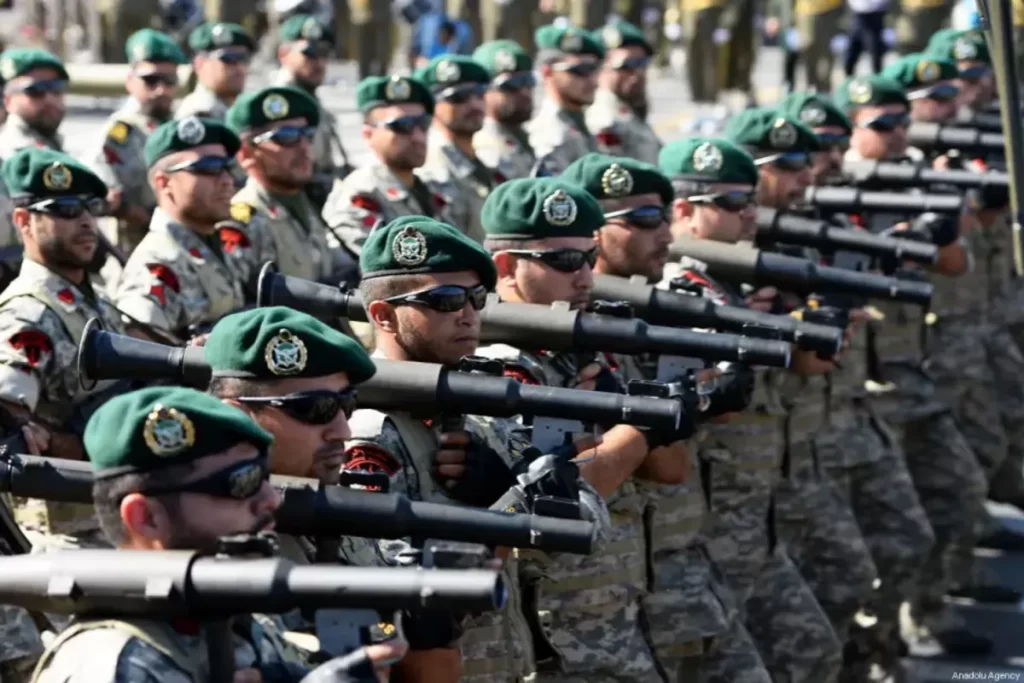

In 2026, Tehran found itself under a heightened state of alert, reflecting the escalating tensions in the region and the implications for Iran’s national security. The critical military situation was largely driven by geopolitical shifts, including increased military exercises by neighboring countries and the ongoing struggles related to Iran’s contentious nuclear program. The Iranian leadership, acutely aware of both internal and external threats, took decisive measures to ensure that their armed forces were prepared for any potential confrontation.
The Iranian military, comprising various branches including the Islamic Revolutionary Guard Corps (IRGC) and the regular armed forces, was placed on high alert. This was characterized by increased patrols along the borders, especially with Iraq and Afghanistan, where the presence of foreign troops and potential adversaries raised concerns. Additionally, naval operations in the Persian Gulf saw a significant uptick, as Iran sought to demonstrate its capabilities in a region that is critical for global oil transport and geopolitical stability.
The strategic posture adopted by Tehran was not solely reactive; it was also aimed at projecting power and deterrence. Leaders in the Iranian government stressed the importance of maintaining a robust military capability, which they argued was essential for safeguarding the nation’s sovereignty. Iran’s missile programs were at the forefront of this military readiness, with advancements in both technology and production capacity highlighted in state-run media. This was presented as a necessary counterbalance to what Iranian officials called the “threatening behavior” of the United States and its allies in the Middle East.
On the domestic front, the heightened military alert had significant implications for civil society. Security checks became commonplace, particularly in urban centers like Tehran, as the government sought to allay fears of internal dissent or external sabotage. Public messaging emphasized national unity against external threats, invoking historical narratives of resistance and pride. However, this state of alert also raised concerns among citizens about personal freedoms and the potential for increased military presence in everyday life.
Internationally, Tehran’s military mobilization prompted reactions from foreign governments and analysts. Some viewed Iran’s military readiness as aggressive posturing, while others considered it a reasonable step in response to perceived encirclements. Diplomatically, the situation presented a complex challenge, as negotiations over nuclear agreements and sanctions continued amidst this tense backdrop.
In conclusion, the military alert in Tehran during 2026 represented a multifaceted response to regional dynamics, underscoring Iran’s strategic priorities, internal cohesion, and the delicate balance of power in a volatile region. The world watched closely as Tehran navigated these challenges, aware that the implications could extend far beyond its borders.
For more details and the full reference, visit the source link below: