
Critical Nuclear Safety: Ukraine Faces New Risks
Since the onset of the conflict in Ukraine in 2014, and particularly following Russia’s full-scale invasion in 2022, the nation’s nuclear safety landscape has become increasingly precarious. Ukraine, home to several nuclear power plants including the infamous Chernobyl site, faces heightened risks that pose threats not only to its own populace but potentially to Europe and beyond.
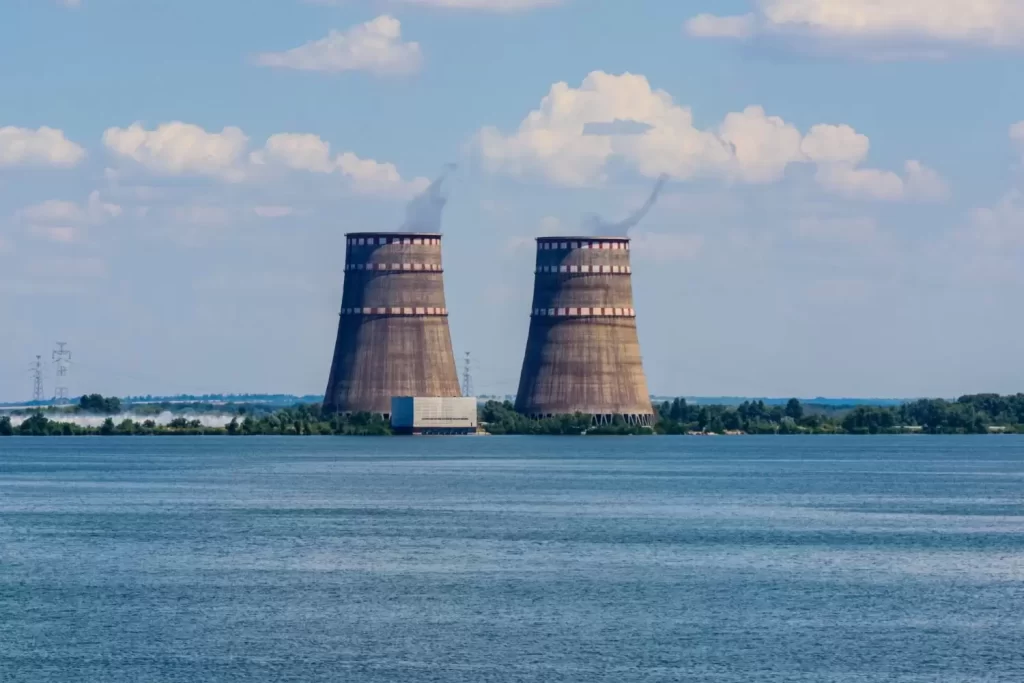
One of the most immediate concerns is the security of nuclear facilities themselves. The Zaporizhzhia Nuclear Power Plant, the largest in Europe, has been at the center of military tensions, with reports of shelling and military maneuvers occurring in its vicinity. Such actions raise the specter of a nuclear incident, which could have catastrophic consequences if containment systems are damaged or if a reactor is compromised. As the facility operates under duress, the staff may be under significant stress, impacting their ability to respond to emergencies effectively.
The Chernobyl Exclusion Zone has also seen increased activity, with Russian military forces occupying the site. Concerns linger about the management of radioactive material left in the area and the potential for it to become a point of danger should military operations disrupt existing containment measures. The potential for a radiation release, either accidental or intentional, adds another layer of anxiety to the already complex safety protocols in place.
Moreover, the entire energy infrastructure of Ukraine has been compromised due to ongoing warfare. Power outages and disruptions can prevent cooling systems crucial for nuclear reactors from functioning effectively, further exacerbating the risk of a nuclear accident. Backup power systems are essential in mitigating such risks, but their reliability and effectiveness can be compromised during military conflict.
International oversight and support have become ever more vital in this context. Organizations like the International Atomic Energy Agency (IAEA) have been working to monitor the situation but face challenges in gaining access to facilities under conflict. The need for transparency and oversight in nuclear safety protocols is critical to prevent a disaster that could ripple across borders.
As the war continues without a clear resolution in sight, the threat of nuclear incidents in Ukraine remains a serious global concern. The international community must prioritize dialogue and strategic interventions to ensure the protection of nuclear materials and facilities. Proactive measures to bolster Ukraine’s nuclear safety infrastructure, alongside rigorous international monitoring, can help mitigate the escalating risks of nuclear calamity amidst ongoing hostilities. The stakes are high, and the consequences of inaction could be dire, urging immediate and coordinated action to safeguard against potential nuclear fallout.
For more details and the full reference, visit the source link below: