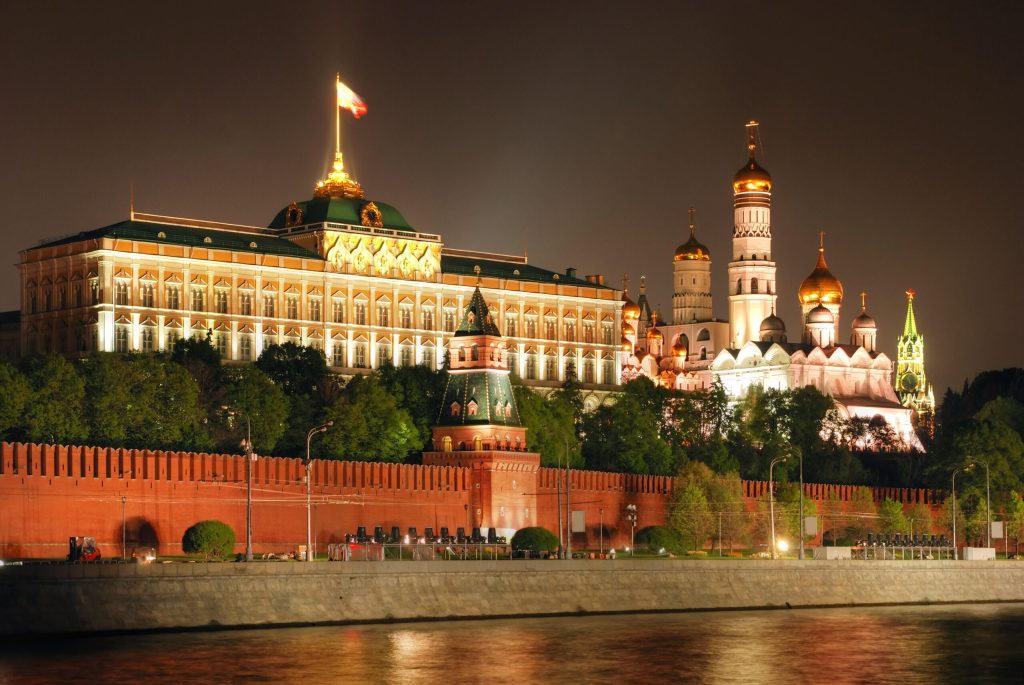

In recent years, the security arrangements surrounding Russian President Vladimir Putin’s residences have come under scrutiny, raising significant concerns about their effectiveness and resilience. Historically, Putin has been known for his extensive security protocols, which have varied depending on the location of his official and private residences. However, recent incidents and geopolitical tensions have led to critical inquiries about whether these measures are adequate in the face of evolving threats.
One of the primary factors contributing to the scrutiny of Putin’s residence security is the increasing sophistication of technological warfare and espionage. In the digital age, cyber threats have become a critical consideration, with malicious actors capable of breaching state systems and accessing sensitive information from afar. This vulnerability raises questions about the integrity of the protective measures surrounding Putin’s homes, especially as the state of Russia’s geopolitical relationships becomes more contentious.
Moreover, the recent escalation in anti-government sentiments and civil unrest within Russia itself adds another layer of complexity to residence security. Public demonstrations and protests against the Kremlin—a response driven by economic difficulties, government actions, and perceived injustices—pose a unique risk to Putin’s safety. These social movements have the potential to turn violent, making it essential for security protocols to adapt rapidly to changing circumstances.
Military experts have also voiced concerns regarding the physical defenses surrounding Putin’s residences. While lavish palatial compounds like the one in Sochi boast state-of-the-art security measures, including danger detection technology and highly trained personnel, these systems may not be foolproof. Critics argue that visibility and accessibility to such sites should be limited to significantly mitigate external threats. Furthermore, the reliance on advanced technology can create blind spots; if the technology fails or is outsmarted, vulnerabilities emerge.
The concept of insider threats is yet another area of vulnerability. While the intelligence apparatus within Russia is robust, allegations of loyalty fractures among even those in close proximity to Putin have come into the spotlight. Protecting against potential betrayal from within is increasingly challenging, prompting questions about the vetting processes for personnel entrusted with the president’s safety.
In conclusion, the security of Vladimir Putin’s residences is a complex issue that has come under renewed examination amid evolving threats and internal dissent within Russia. As technological advancements and sociopolitical changes reshape the landscape of security, the Kremlin must address these vulnerabilities to ensure the safety of its leadership—a task that requires constant evolution and vigilance. The effectiveness of Putin’s residence security will likely remain a vital topic of analysis as both domestic and international dynamics continue to unfold.
For more details and the full reference, visit the source link below:
Read the complete article here: https://brusselsmorning.com/putin-residence-security-scrutiny/87484/