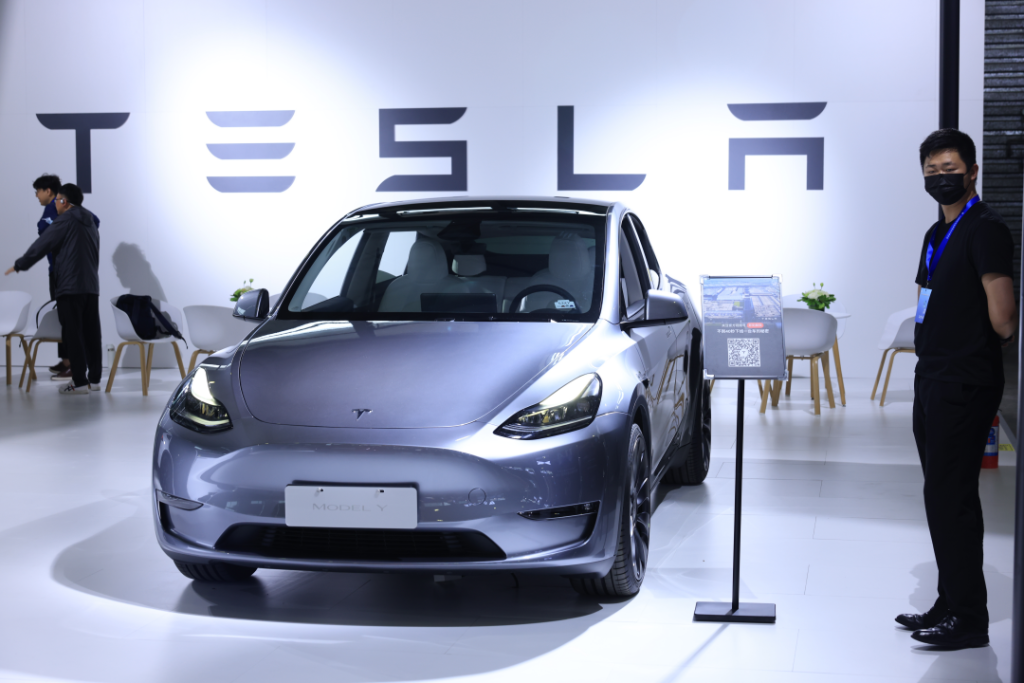

Critical Tesla AI Training Data Push Signals China 2026
As Tesla accelerates its ambitions in artificial intelligence (AI) and autonomous driving, the company’s recent push for expansive AI training data highlights an impending strategic focus on a major market: China. This initiative reflects not just Tesla’s internal goals but also the broader implications for the automotive and tech sectors in the context of globalization.
Tesla’s drive for comprehensive and high-quality training data is rooted in its pursuit of optimizing its Full Self-Driving (FSD) technology. The more diverse and representative the training data, the better the AI can learn to navigate complex driving environments, which vary significantly across regions—including urban settings in China. By honing in on localized data, Tesla can enhance the performance of its vehicles in one of the world’s most dynamic automotive markets.
China represents an unparalleled opportunity, with its rapidly expanding middle class and a massive consumer base fascinated by technology and innovation. The Chinese automotive market is evolving swiftly, with electric vehicles (EVs) at the forefront. Major Chinese cities are not only implementing advanced infrastructure for EVs but also adopting progressive policies that encourage the adoption of autonomous vehicles. In this context, Tesla’s focus on China is not just tactical; it signals a recognition of a transition in the global automotive landscape.
Historically, multinational companies have had challenges in navigating China’s regulatory and competitive environment. However, Tesla’s establishment of Gigafactory Shanghai demonstrates a commitment to integrating into the local market. This factory has not only streamlined production but has also allowed Tesla to gather valuable insights from its Chinese operations, feeding back into its AI development. The push for training data becomes essential here, as it allows Tesla to tailor its technology to meet local demands and regulatory requirements effectively.
By 2026, as Tesla plans to further entrench itself in the Chinese market, the company is likely to face intensified competition from domestic EV manufacturers such as NIO, Xpeng, and Li Auto. These companies are not only catching up but are innovating rapidly, introducing features that cater to the Chinese consumer’s expectations. Thus, Tesla’s investment in AI training data excellence is crucial for maintaining its competitive edge.
The demand for robust AI capabilities in China will raise significant questions regarding data privacy, regulatory compliance, and the ethical implications of AI deployment. As Tesla expands its data gathering strategies, the need for transparency and adherence to local laws becomes indispensable.
In summary, Tesla’s critical push for AI training data acquisition signals a broader strategy to solidify its presence in China by 2026. This initiative lays the groundwork for innovation and competitive positioning in a rapidly evolving automotive landscape, driven by consumer technology and regulatory frameworks unique to China.
For more details and the full reference, visit the source link below: