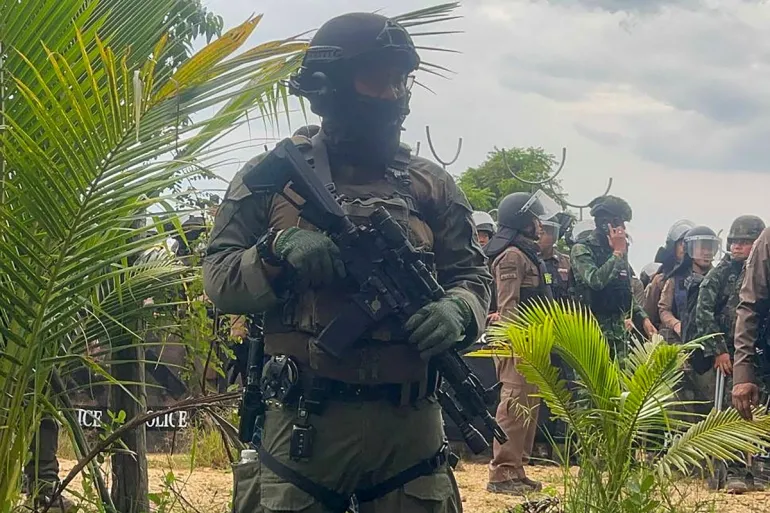

Critical Thailand-Cambodia Border Clashes: Talks Begin
In recent times, the longstanding territorial disputes between Thailand and Cambodia have resurfaced, leading to a series of border clashes along the contentious frontier. The tensions have been exacerbated by historical animosities and nationalist sentiments, particularly surrounding the Preah Vihear Temple, a UNESCO World Heritage site, which both nations claim. As a result, recent dialogues aimed at diffusing these tensions have commenced, reflecting the urgent need for diplomatic resolution.
The border clashes have seen sporadic incidents of violence, causing casualties on both sides and displacing local populations. The events have drawn international attention, prompting fears that unresolved issues could escalate into broader conflicts. Both governments have faced escalating pressure from their citizens, who are often fueled by nationalist rhetoric in the media. The internal political climate within both nations sometimes amplifies these tensions, as leaders face challenges maintaining control while managing nationalist sentiments.
Recognizing the necessity of dialogue, representatives from both nations gathered for preliminary talks that seek to address the root causes of the conflict. The discussions, held on neutral ground, mark a crucial step toward peaceful resolutions. Although both sides have various strategies and perspectives on how to manage the territorial disputes, there is an underlying acknowledgment that military confrontations are not sustainable long-term solutions.
Key issues under discussion include the demarcation of borders, the management of resources in contested territories, and the withdrawal of military forces from sensitive areas. Experts suggest that establishing a joint task force to oversee the disputed region might help facilitate peaceful coexistence and reduce the potential for future clashes. This collaborative approach could also foster stronger bilateral relations and encourage economic cooperation, leveraging both nations’ capabilities for mutual benefit.
International mediators play a critical role in these discussions, offering frameworks and support for peaceful resolutions. Organizations such as ASEAN (Association of Southeast Asian Nations) have been keen to facilitate talks, seeing stability in this area as vital for regional peace and economic growth. As Thailand and Cambodia navigate these complex negotiations, the support from external actors could prove pivotal in fostering a spirit of cooperation rather than conflict.
In conclusion, the revival of talks between Thailand and Cambodia provides a glimmer of hope amid ongoing clashes. While history complicates the situation, the path toward dialogue and mutual understanding could lead to lasting solutions. As negotiations progress, the world watches closely, hoping that both countries will prioritize peace and collaboration over historical grievances.
For more details and the full reference, visit the source link below: