
In 2025, the military actions undertaken by the Trump administration drew considerable global scrutiny, reigniting debates on U.S. foreign policy and its implications for global stability. Following Trump’s return to the presidency, his approach to military intervention appeared more aggressive, characterized by several key operations across conflict zones.
One notable action was a significant increase in troop deployments to regions such as Eastern Europe and the South China Sea, purportedly aimed at countering perceived threats from Russia and China respectively. This military buildup was met with concerns from NATO allies and regional powers alike, sparking fears of escalated tensions. Critics argued that such maneuvers might provoke a new arms race, undermining decades of diplomatic efforts aimed at maintaining peace.
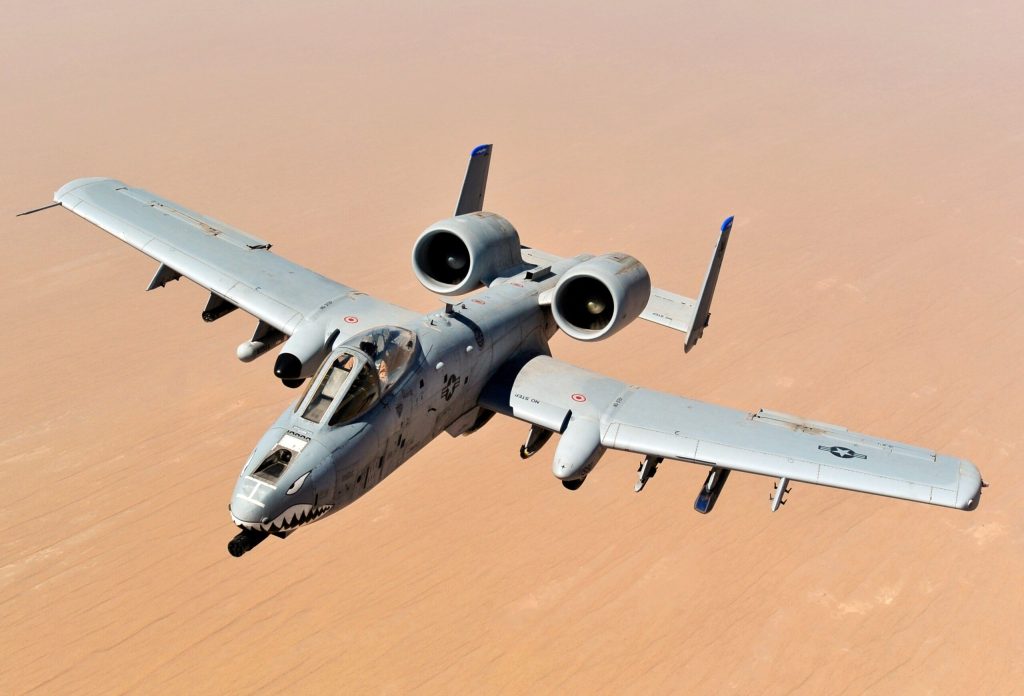
Additionally, Trump’s administration launched targeted airstrikes in conflict zones, particularly in the Middle East. This approach not only targeted terror organizations but also led to collateral damage, resulting in civilian casualties. Humanitarian organizations condemned these strikes, arguing that they exacerbated the plight of local populations and fueled anti-American sentiments. The international community called for accountability, with some nations demanding independent investigations into potential war crimes.
The implementation of a controversial ‘strike first’ policy marked another defining moment of Trump’s military strategy. This doctrine permitted preemptive actions against nations deemed a threat to U.S. national security. Such a policy received backlash from international law experts, who questioned the legality and morality of preemptive strikes without solid evidence of imminent threats. Critics also warned that this approach could lead to miscalculations or unintended conflicts, further destabilizing the global order.
Moreover, Trump’s relationship with traditional allies became strained as he leaned towards unilateral action. The abandonment of multilateral agreements, such as those pertaining to nuclear disarmament, raised alarms regarding nuclear proliferation. Nations previously reliant on U.S. leadership in security matters began to reconsider their strategies, which could ultimately result in a fragmented global security framework.
Global reactions to these military endeavors were mixed. While some nations expressed support for America’s stance against authoritarian regimes, others criticized the heavy-handed approach, arguing that diplomacy should be prioritized over military action. The essence of this scrutiny revealed a broader philosophical divide regarding power dynamics in international relations—the balance between coercive force and diplomatic engagement remains a contentious issue.
In summary, the military actions of the Trump administration in 2025 not only intensified existing geopolitical tensions but also sparked widespread debates on the ethics of such interventions. The consequences of these actions are likely to resonate long-term, shaping the future of U.S. foreign policy and global military engagements.
For more details and the full reference, visit the source link below: