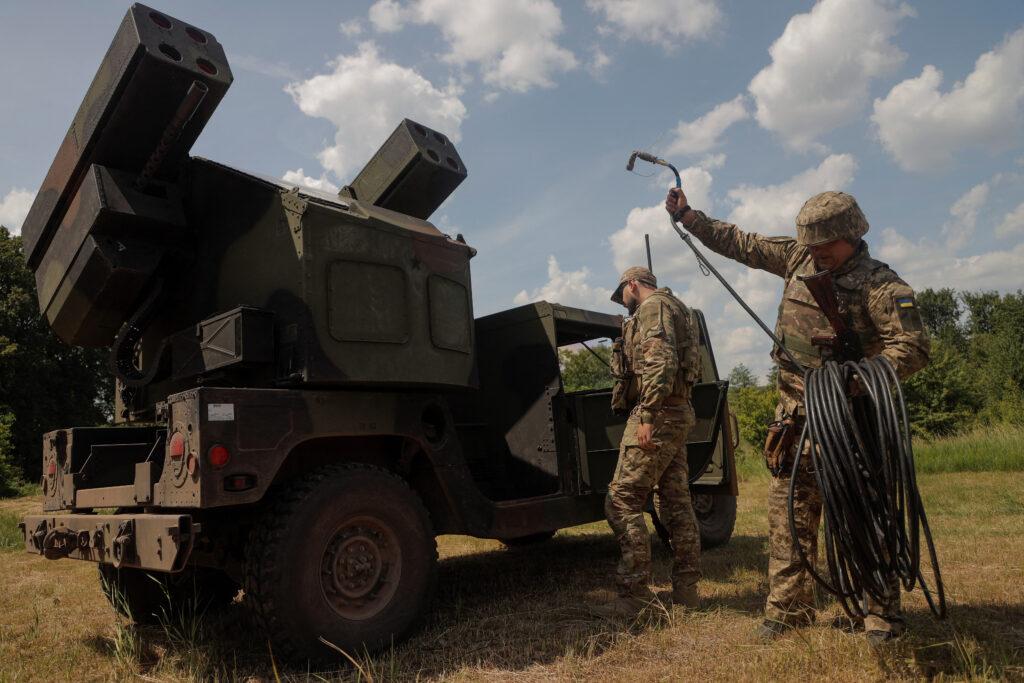

Critical Ukraine Air Defence Support Push Gains Pace in 2026
As we progress into 2026, the ongoing conflict in Ukraine has brought the necessity for robust air defense systems into sharper focus than ever before. With threats from aerial assaults escalating, the insufficiency of existing defense mechanisms has prompted an urgent response from both domestic authorities and international allies. This critical push for enhanced air defense support is not merely a military necessity; it represents a fundamental aspect of Ukraine’s national sovereignty and security.
The evolving landscape of warfare, characterized by advanced drone technologies and missile systems, has underscored the vulnerabilities of Ukraine’s airspace. Ukrainian defenders are grappling with a multilayered threat that includes drones, ballistic missiles, and traditional aircraft. While initial defense strategies were somewhat reactive, the 2026 support initiative aims to build a proactive and resilient air defense architecture that effectively mitigates these risks.
International collaborations have intensified, with NATO allies and other global partners stepping up efforts to deliver state-of-the-art missile defense technologies. Countries such as the United States, Germany, and France have committed significant resources to bolster Ukraine’s air defenses. The introduction of advanced systems like Patriot missiles and S-400 equivalents marks a pivotal shift in Ukraine’s ability to protect critical infrastructure and civilian populations from aerial threats.
Furthermore, training and operational support have become crucial components of this initiative. Military personnel are receiving specialized training on these sophisticated systems, ensuring that they can be deployed effectively in a crisis. This emphasis on competence not only enhances operational readiness but also fosters a sense of confidence among Ukrainian forces, reinforcing their ability to control their airspace.
Behind this military strategy lies a broader political narrative. Enhanced air defense support is also a signal of solidarity from the international community, showcasing a unified stance against aggression. The commitment of foreign nations to Ukraine’s security has the potential to reshape geopolitical dynamics, reinforcing the notion that violations of sovereignty will not be tolerated.
Simultaneously, investment in domestic defense capabilities is being prioritized. Ukraine has begun to develop indigenous air defense technologies, aiming to create systems tailored to its specific strategic needs. This dual approach of integrating foreign technologies with local innovation serves to strengthen Ukraine’s military-industrial complex, fostering self-reliance in the long term.
In conclusion, the critical push for enhanced air defense support in Ukraine throughout 2026 reflects an urgent response to an evolving threat landscape. With international alliances strengthening and emphasis on training and domestic capability enhancement, Ukraine is not just defending its airspace but also reaffirming its sovereignty and resilience on the global stage. The stakes have never been higher, and the outcomes will undoubtedly shape the future security environment in Europe and beyond.
For more details and the full reference, visit the source link below:
Read the complete article here: https://parliamentnews.co.uk/ukraine-air-defence-support-allies-2026