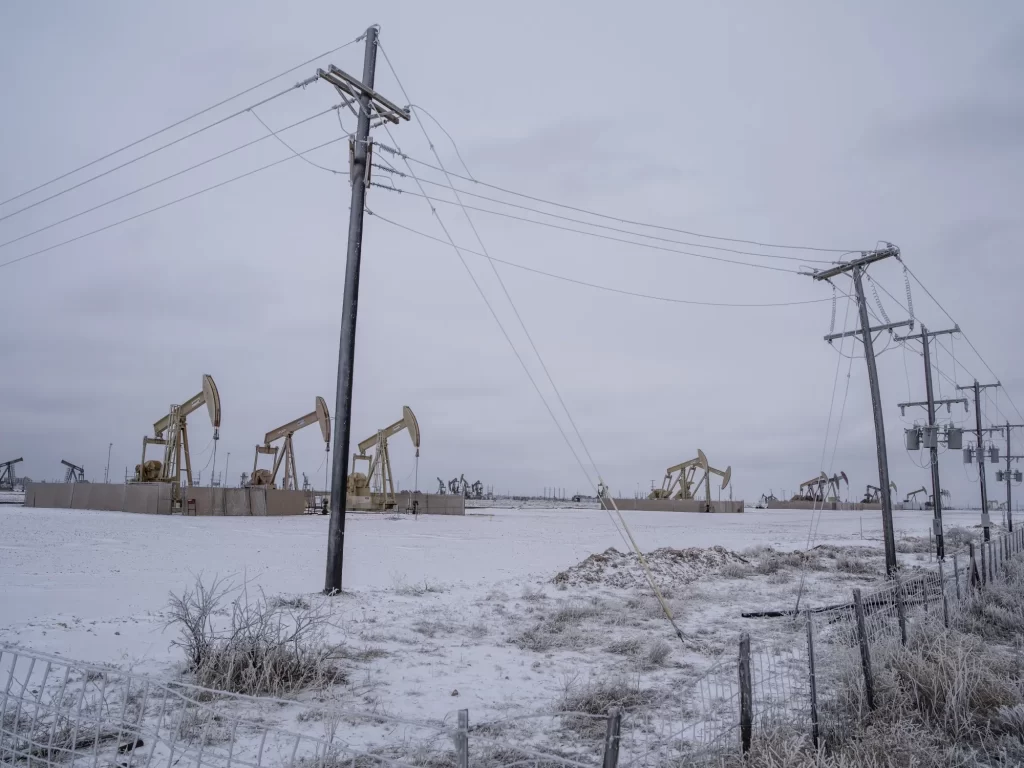

As we head into the winter of 2026, the United States is facing a critical energy supply risk that could strain resources, impact consumers, and disrupt the economy. Several factors contribute to this precarious situation, including fluctuating demand, supply chain vulnerabilities, and geopolitical uncertainties.
Firstly, the growing unpredictability of winter weather patterns exacerbates energy demand fluctuations. As climate change continues to alter seasonal norms, more extreme cold snaps are likely. These sudden spikes in heating needs can strain local and national energy infrastructures, particularly in regions reliant on specific energy sources, such as natural gas or heating oil. This vulnerability significantly heightens the risk of shortages when weather conditions are less predictable, making it essential to address preparedness measures now.
Moreover, the intertwined nature of global energy markets adds significant layers of complexity. The U.S. is currently a major exporter of natural gas, but geopolitical tensions—such as ongoing conflicts in Europe—can lead to unexpected redirection of supplies and potential trade restrictions. As the U.S. seeks to position itself as a stable energy provider globally, domestic energy needs must not be neglected. A sudden rise in international demand could divert crucial resources away from domestic consumers, leading to possible energy rationing.
Supply chain vulnerabilities further complicate the energy landscape. Recent events, including the COVID-19 pandemic and its aftermath, have exposed fragility in energy logistics. A reliance on imports for critical components, such as gas pipelines and electrical infrastructure, jeopardizes the U.S. energy supply chain. A well-timed disruption—whether due to natural disasters, labor strikes, or cyberattacks—could result in substantial delays in energy production and distribution.
The divide between federal and state energy policies further complicates the U.S. energy landscape. While national strategies aim for a greener future, differing state regulations can hinder local energy transition efforts. States that lag in renewable energy infrastructure may be ill-equipped to handle winter demands, leading to greater reliance on fossil fuels and, consequently, higher emissions during the cold months.
Addressing these critical energy supply risks requires a multifaceted approach. Enhancing energy efficiency, investing in resilient infrastructure, and transitioning to a diversified energy mix are vital components of a sustainable energy strategy. Increased public-private partnerships will also play a crucial role in ensuring that both immediate winter demands and long-term energy security needs are met. By proactively addressing these risks, the U.S. can better navigate the challenges of the winter months while laying the groundwork for a more resilient and sustainable energy future.
For more details and the full reference, visit the source link below: