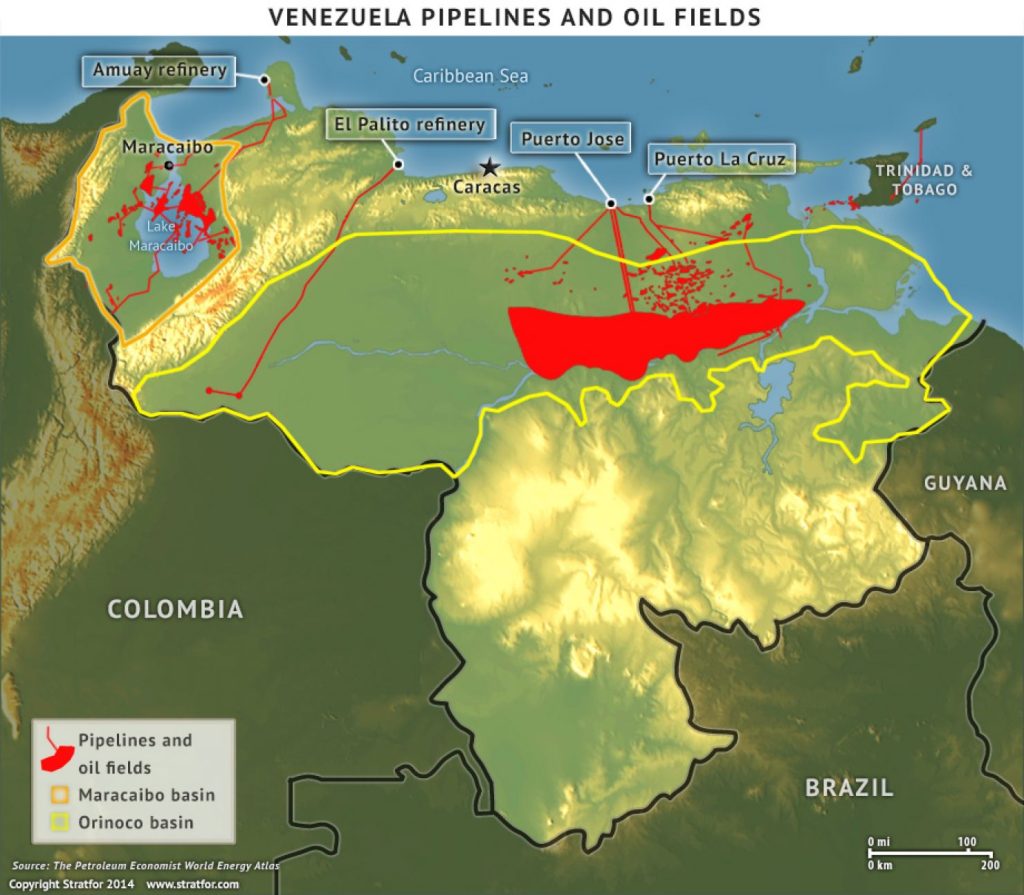

In 2026, critical negotiations surrounding Venezuela’s oil industry marked a significant turning point in global energy policy. Historically, Venezuela has held some of the largest proven oil reserves in the world, yet years of economic mismanagement, political instability, and international sanctions have crippled its oil sector. However, the resumption of constructive dialogue both domestically and with international stakeholders indicated potential shifts in energy strategy that could reverberate across global markets.
The backdrop of these negotiations was shaped by a complex interplay of political will, economic necessity, and environmental considerations. The Venezuelan government, which had faced severe challenges due to declining oil production, sought to revitalize its oil sector to generate revenue, combat hyperinflation, and address humanitarian crises. With the U.S. easing some sanctions in response to commitments for political reforms and transparency, Venezuelan oil could re-enter the market, thus alleviating some of the pressures on global oil prices.
The negotiations featured key players, including Venezuelan authorities, U.S. representatives, and multinational oil corporations. Companies that had exited Venezuela due to the previous regime’s policies expressed cautious optimism about re-establishing their presence. These discussions were marked by a mix of skepticism and hope, as stakeholders sought to address longstanding issues, including concerns about human rights and environmental sustainability.
Moreover, these negotiations resonated with broader themes in the global energy landscape. The world was increasingly leaning towards sustainable energy practices and diverse energy sources. With fluctuating oil prices and growing investments in renewable energy, Venezuela’s ability to adapt to changing market dynamics became paramount. The dialogue also focused on establishing frameworks for responsible extraction and reinvestment in social programs—an attempt to ensure that oil revenue directly benefits the Venezuelan populace.
Internationally, the implications of revitalizing Venezuela’s oil output could prompt shifts in energy alliances and dependencies. Countries reliant on oil imports were keenly watching the developments, as an influx of Venezuelan oil could potentially recalibrate their supply chains amidst ongoing geopolitical tensions. Furthermore, the return of Venezuelan oil could challenge the dominance of other oil-producing nations, triggering a ripple effect in global energy policies.
In summary, the critical oil negotiations in Venezuela in 2026 symbolize a pivotal moment in the country’s quest for economic recovery and reengagement with the global community. The outcomes not only hold promise for Venezuela but also have the potential to reshape energy dynamics, presenting an opportunity for cooperative approaches to both production and sustainability in the energy sector.
For more details and the full reference, visit the source link below:
Read the complete article here: https://brusselsmorning.com/venezuela-oil-negotiations/89152/