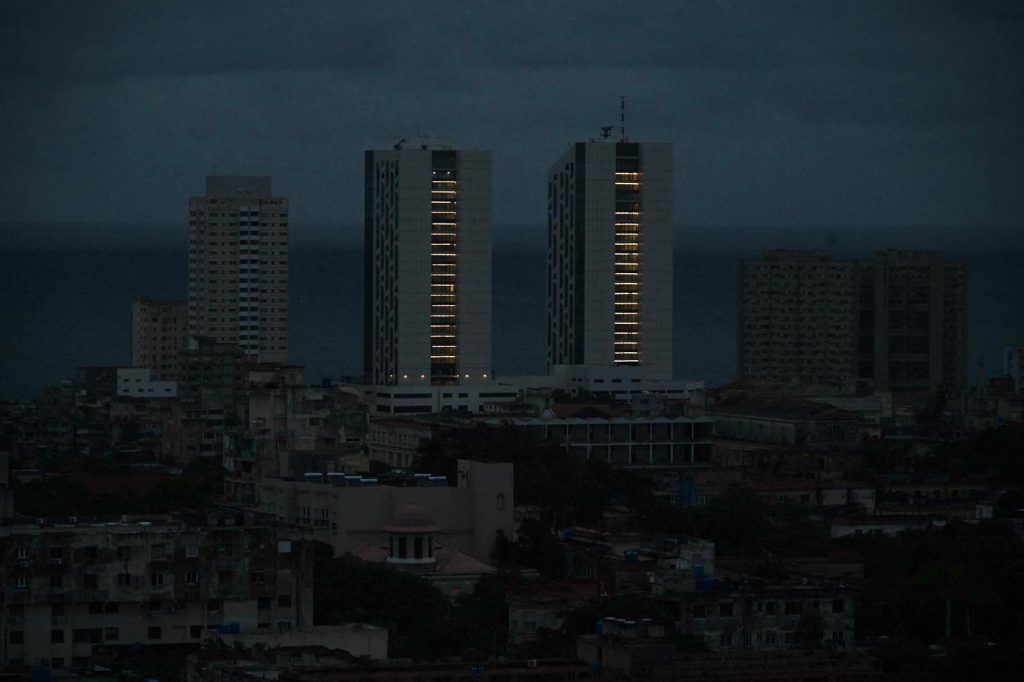

In 2026, Cuba finds itself grappling with a severe energy crisis, prompting urgent action in the capital city of Havana and across the nation. The shortages are a culmination of years of mismanagement, aging infrastructure, and external pressures, notably exacerbated by the ongoing U.S. embargo. As electricity outages become more frequent and prolonged, the people of Havana are increasingly frustrated, leading to widespread protests and calls for immediate government intervention.
The energy crisis has disrupted daily life in Havana, a vibrant city known for its rich cultural heritage and historical significance. Residents experience blackouts that last for hours, affecting everything from basic household activities to business operations. Small businesses, which are crucial to the local economy, are particularly hard-hit, as they struggle to operate without a stable power supply. The tourism sector, a lifeline for the island, also suffers as visitors report inadequate amenities due to irregular electricity access.
In response to the unbearable situation, the Cuban government has implemented a series of emergency measures aimed at alleviating the crisis. This includes investment in renewable energy projects, particularly solar power, which is abundant in the tropical climate of the island. Additionally, authorities are rushing repairs to existing power plants and seeking partnerships with foreign companies to modernize the energy grid.
However, these efforts are met with skepticism. Many citizens question the government’s ability to effectively manage the transition, given past failures and delayed initiatives. Moreover, economic challenges complicate the pursuit of immediate solutions. Resource shortages and a lack of foreign investment hinder the government’s capacity to executeplans swiftly and efficiently.
Civic organizations have sprung into action, advocating for transparency and accountability in how the government addresses energy problems. Grassroots movements are forming to push for a more sustainable energy model that includes community involvement and prioritizes energy efficiency. The demand for comprehensive policy reform regarding energy management underscores a growing desire for change among the populace.
As Havana faces unprecedented challenges, the energy crisis could serve as a catalyst for broader political and social reforms. The urgency of the situation has awakened citizens, many of whom are ready to voice their opinions and demand the transparency and accountability they feel are lacking. The way this crisis is handled not only impacts daily life in Havana but will likely influence the future trajectory of Cuba’s governance and its relationship with the international community. In a country long resilient in the face of adversity, the hope is that these energy shortages will forge a new path toward innovation and sustainable development.
For more details and the full reference, visit the source link below:
Read the complete article here: https://parliamentnews.co.uk/cuba-energy-shortages-havana-2026