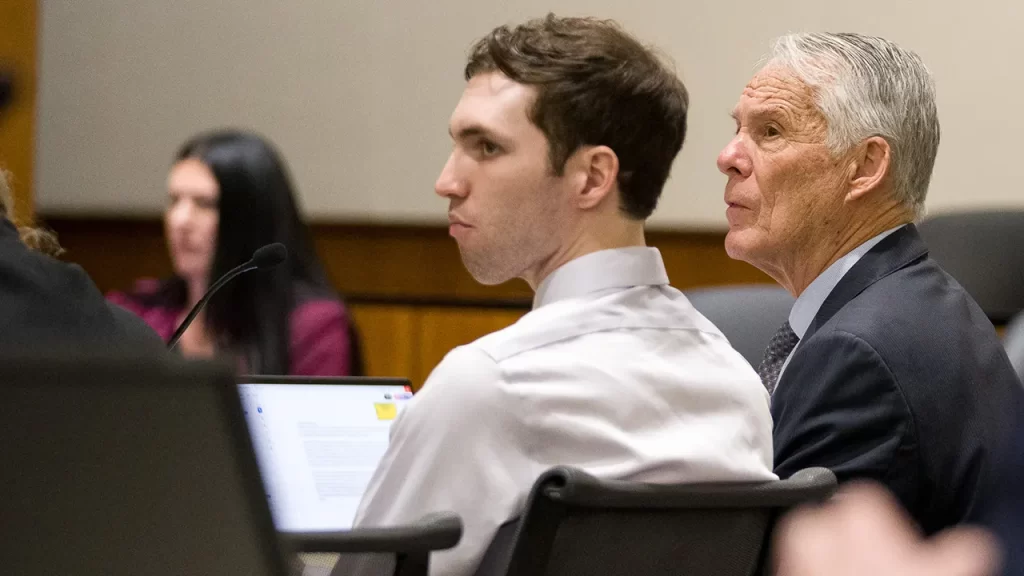

Defense May Call ATF Agent in Charlie Kirk Murder Case Over Bullet Evidence
Introduction
The ongoing Charlie Kirk murder case has captured national attention, particularly as it touches on significant legal concepts surrounding evidence, protocol, and gun policy. With allegations swirling and the defense preparing its strategy, the possible involvement of an Alcohol, Tobacco, Firearms and Explosives (ATF) agent could shift the trajectory of the case. The focus of this piece will be the implications of calling an ATF agent, the role of bullet evidence, and overall legal strategies.
Background of the Charlie Kirk Case
Charlie Kirk, a prominent conservative activist and founder of Turning Point USA, was allegedly murdered under controversial circumstances. The case has gained notoriety due to Kirk’s public persona and the political implications entwined with his activism. As the trial unfolds, the dynamics of the legal proceedings are becoming more complex, especially concerning the admissibility of evidence and expert testimonies.
Understanding Bullet Evidence
What is Bullet Evidence?
Bullet evidence refers to ballistic evidence collected from crime scenes that can link firearms to specific incidents or individuals. This often involves analyzing bullet casings and projectiles recovered from the scene, leading to potentially critical insights regarding the weapon used, the number of shots fired, and the trajectory of bullets.
The Role of Firearms in Homicide Cases
In homicide cases, the analysis of bullet evidence can be pivotal. Law enforcement relies on ballistic experts to provide testimony regarding the firearm’s make and model, establishing connections between suspects and the crime scene. This evidence can either incriminate or exonerate individuals, making it a crucial focus for both prosecution and defense.
The Role of ATF Agents
What is the ATF?
The Bureau of Alcohol, Tobacco, Firearms and Explosives (ATF) is a federal agency under the Department of Justice that investigates and enforces laws related to firearms and explosives. ATF agents are usually involved in high-profile cases, especially when firearms are linked to organized crime or significant violence.
Why Call an ATF Agent?
The defense may call an ATF agent to provide insights on bullet evidence, particularly regarding the protocols followed in the collection and analysis of that evidence. This could serve several purposes:
-
Expert Testimony: An ATF agent may help clarify complex technical aspects of ballistic analysis that could be crucial for the jury’s understanding.
-
Chain of Custody: The ATF can provide evidence regarding the handling and security of bullet evidence, which is vital for ensuring that evidence has not been tampered with.
-
Potential Misconduct: If there were procedural errors or misanalyses, an ATF expert can shed light on these issues, which can be beneficial for the defense.
Implications for the Defense Strategy
Strengthening the Case
By calling an ATF agent to testify, the defense could strengthen its case by addressing potential weaknesses in the prosecution’s evidence. For example, they could highlight inconsistencies in the ballistics reports or question the validity of the methods used to analyze the bullet evidence.
Reasonable Doubt
In a murder trial, creating reasonable doubt is the defense’s primary goal. A well-placed ATF witness could draw the jury’s attention to any discrepancies and emphasize the notion that the evidence is not as solid as the prosecution claims.
The Prosecutor’s Counterarguments
Validating Bullet Evidence
The prosecution will likely counter the defense’s arguments by validating the bullet evidence collected. They may bring in their own firearms experts to affirm that the evidence strongly ties the defendant to the crime. Additionally, prosecutors may challenge the credibility of the ATF agent, questioning their qualifications or potential biases.
Essential Precedents
Historically, when ATF agents are called to testify, courts have often favored their input due to their expertise and extensive experience in firearm-related cases. Prosecutors might leverage this history to strengthen their case against the defense.
Broader Implications on Gun Legislation
Legal Precedents
The Charlie Kirk murder case, particularly the involvement of an ATF agent and the emphasis on bullet evidence, raises questions about gun legislation in the United States. Depending on the outcome, this case could have broader implications for future gun control discussions and legal protocols surrounding the handling of firearms.
Public Sentiment
Given Kirk’s political influence, the case might also evoke varied public sentiments regarding gun rights and regulations. Advocacy groups on both sides of the aisle will undoubtedly monitor the trial closely, as it reflects public views on crime, safety, and gun ownership.
Ethical Considerations
The Role of Bias
In high-profile cases, ethical considerations regarding media portrayal and potential biases become critical. The defense must ensure that its arguments are founded on factual evidence and not merely public sentiment or reputation.
Fair Trial
Both sides must strive to uphold the principle of a fair trial, ensuring the defendant’s rights are not overshadowed by public opinion. The ATF’s involvement must also be balanced against these principles, ensuring justice prevails.
Conclusion
As the Charlie Kirk murder case unfolds, the potential involvement of an ATF agent signifies a critical juncture that could drastically alter the defense’s approach. The complexities of bullet evidence and its implications for both legal strategy and public discourse make this a case to watch. Ultimately, both sides will present compelling arguments, but the outcome may hinge on the delicate interplay of expert testimony, procedural integrity, and public perception.
Call to Action
For those interested in the evolving details of this case, it’s crucial to stay informed through reliable news sources and expert commentary. The ramifications of this case may extend beyond the immediate legal concerns, influencing discussions surrounding firearm legislation and political activism.