
DOJ Video Shows Suspect Rushing Security Checkpoint Before WHCD Shooting: A Detailed Analysis
Introduction
A shocking incident involving a suspect rushing a security checkpoint before the White House Correspondents’ Dinner (WHCD) has garnered national attention. As the Department of Justice (DOJ) releases video footage, concerns surrounding security measures, public safety, and the implications of such events on future gatherings arise. This analysis will delve into the details of the incident, the response from various authorities, and the broader implications for security protocols at significant public events.
Background on the WHCD
The White House Correspondents’ Dinner is an annual event that celebrates the role of journalists in American democracy. It typically includes a gathering of political figures, celebrities, and media representatives. Given the high-profile nature of the event, security is always a major concern. The recent incident underscores the importance of robust security measures at such gatherings.
Description of the Incident
Surveillance Footage
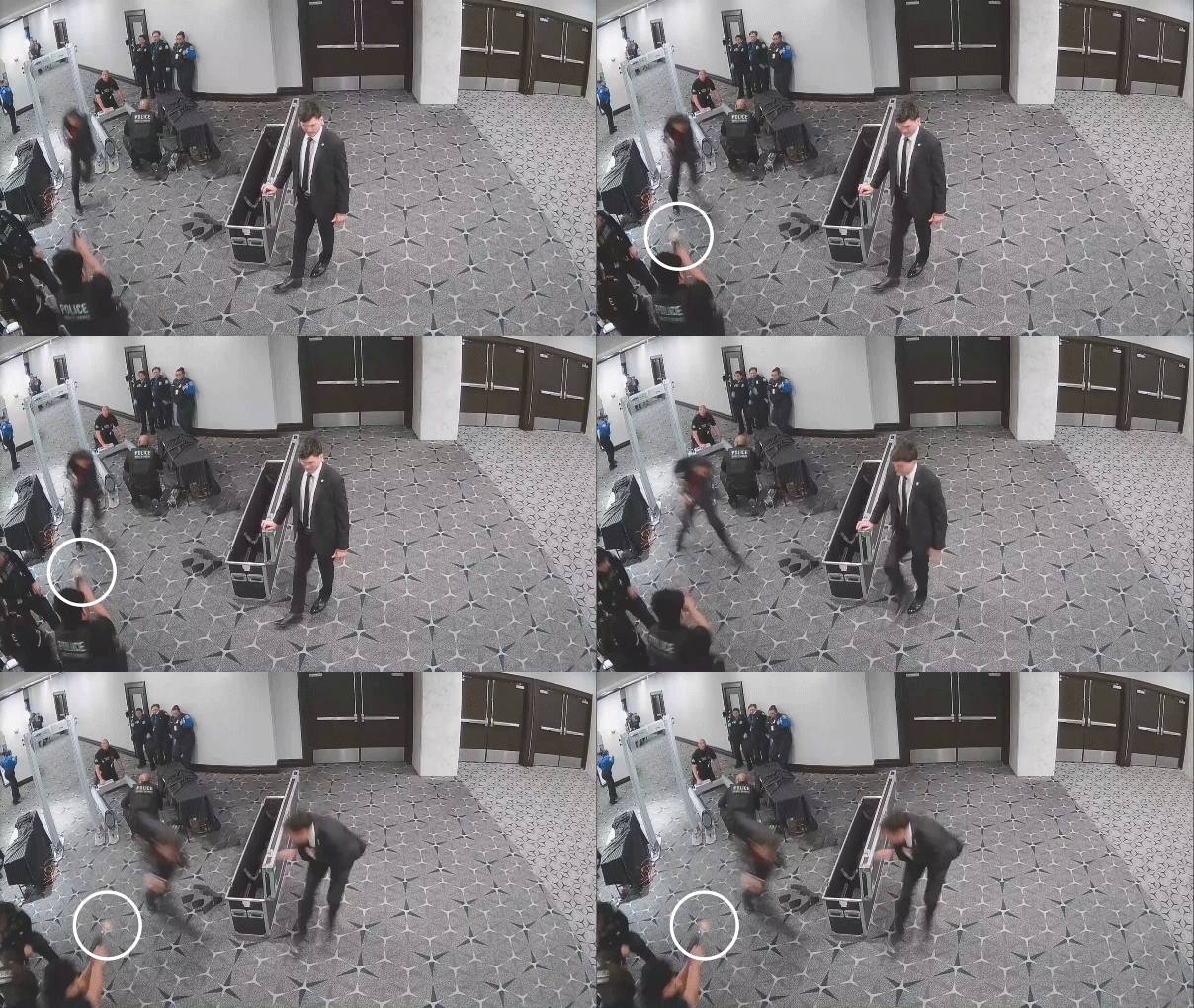
The DOJ video clearly shows an individual approaching the security checkpoint with alarming speed. The footage reveals a chaotic scene as the suspect attempts to bypass security measures. This moment has been pivotal in understanding the events leading up to the shooting, as well as the response from law enforcement.
Timing and Location
The incident unfolded just moments before the WHCD was set to commence. This timing added to the chaos, putting attendees, staff, and law enforcement personnel on high alert. The location, which is often heavily fortified during major events, raised questions about the effectiveness of security protocols in place.
Responses from Authorities
Law Enforcement’s Quick Reaction
Local and federal law enforcement agencies quickly mobilized upon identifying the suspect’s actions. Officers stationed at the checkpoint responded promptly, which likely prevented a more catastrophic outcome. Their training and preparation for such incidents highlighted the importance of readiness in high-stakes situations.
Public Statements
Following the incident, various officials, including the FBI and local police, released statements. They emphasized their commitment to ensuring the safety of all attendees and pledged a thorough investigation. This transparency helped calm public fears while reinforcing the gravity of the situation.
Security Protocols: A Critical Examination
Current Measures in Place
The WHCD typically employs a range of security measures, including metal detectors, bag checks, and armed personnel. However, the suspect’s ability to rush a security checkpoint raised questions about the adequacy of these protocols. Experts argue that vulnerabilities exist in the current systems that need to be addressed.
Recommendations for Improvement
In the wake of this incident, national security experts are calling for a reevaluation of public safety protocols during major events. Recommendations may include:
- Enhanced Screening Procedures: Utilizing advanced technology, such as facial recognition software, could help identify potential threats more effectively.
- Increased Personnel: A greater presence of security personnel may deter potential incidents and allow for faster responses.
- Training Drills: Regular training sessions for law enforcement and security staff can help them remain prepared for high-pressure situations.
The Role of Media in Covering Violent Incidents
Responsibility of Media Outlets
The media plays a significant role in shaping public perception of violent incidents. Responsible reporting is crucial in ensuring that facts are presented accurately while being sensitive to the implications of sensationalism. As this incident continues to unfold, media outlets must strike a balance between informing the public and avoiding unnecessary panic.
Impact on Public Awareness
Coverage of the WHCD incident can serve to increase public awareness about security issues. Through diligent reporting, media can educate the public on the importance of community vigilance and cooperation with law enforcement.
Public Reaction and Social Media Influence
Community Concern
In light of the incident, there has been a visible uptick in public concern regarding safety at large gatherings. Social media platforms have been instrumental in facilitating discussions about security, allowing citizens to voice their fears and share their experiences.
The Role of Social Media
Social media can amplify reactions to incidents like the WHCD shooting. The speed at which information spreads can lead to swift public mobilization for safety campaigns, but it can also contribute to fear and misinformation.
Broader Implications for National Security
Long-term Effects on Events
The implications of this incident extend beyond the WHCD. Similar events may experience heightened security if potential vulnerabilities are recognized in current protocols. Additionally, cultural attitudes towards public safety may shift, leading to a broader demand for accountability from event organizers.
The Persistent Threat of Violence
This incident serves as a stark reminder of the ongoing threat of violence in public spaces. As we witness an increase in violent incidents nationwide, the need for comprehensive safety measures is more critical than ever.
Conclusion
The DOJ video revealing the suspect rushing a security checkpoint before the WHCD shooting has sparked a comprehensive dialogue about security measures at public events. While rapid law enforcement response prevented further escalation, the incident highlights systemic vulnerabilities that need to be addressed. As public awareness grows, so too does the responsibility of authorities and event organizers to ensure the safety of attendees.
Moving forward, implementing the recommendations discussed will be crucial in shaping a safer environment for future gatherings. Continued vigilance, community engagement, and public education will all play vital roles in preventing similar occurrences and fostering a culture of safety and awareness in our society.