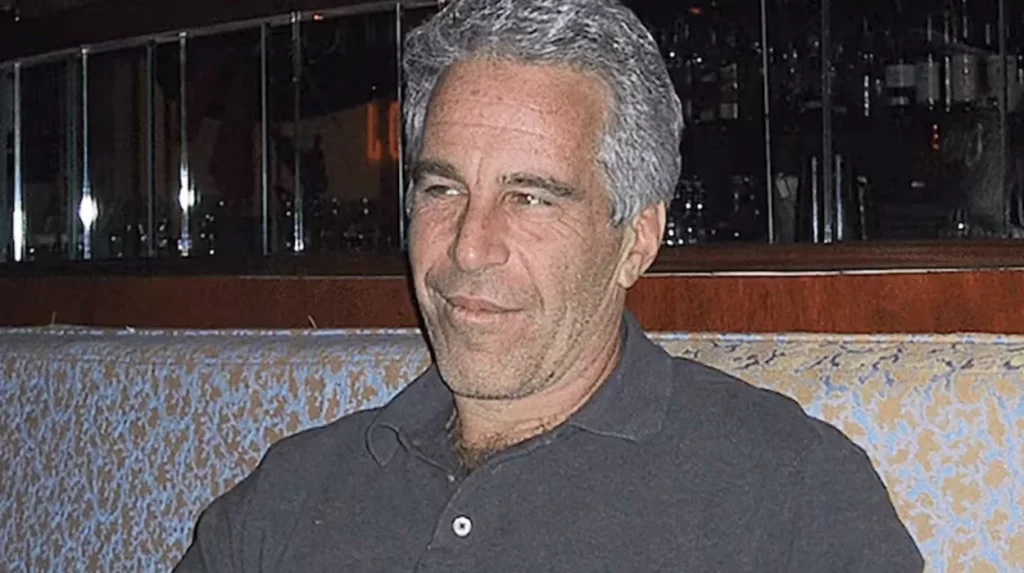

The Donald Trump administration revealed that approximately 700,000 files related to Jeffrey Epstein remain unreleased, igniting significant public interest and scrutiny. The announcement came amid ongoing discussions surrounding the late financier’s criminal activities and the potential involvement of high-profile individuals in his network. Epstein, who faced numerous allegations of sexual abuse and trafficking, died in a New York City jail in 2019 under controversial circumstances.
The untouched files, consisting of emails, legal documents, and other records, are seen as critical to understanding the extent of Epstein’s operations and the influence he wielded over various sectors, including politics, entertainment, and business. With many questioning the transparency surrounding these documents, advocates for justice have been calling on the federal government to make all pertinent information public.
One of the most pressing concerns is the possibility that these files might include evidence implicating prominent figures who were associated with Epstein. Given his connections to well-known personalities, there is a pervasive fear that the release of this information could have significant ramifications. Many believe that full disclosure could potentially uncover a web of abuse and complicity at the highest levels.
The ongoing debate around the Epstein files also touches on broader themes of accountability and the implications of power dynamics in high society. Critics argue that the reluctance to release these files stems from an intention to protect influential individuals who may have participated in, facilitated, or ignored Epstein’s predatory behavior. Furthermore, the lack of transparency has led to rampant conspiracy theories and speculation about the interplay between law enforcement and elite circles.
In response to the public outcry, the Trump administration emphasized its commitment to justice and transparency, stating that investigations into Epstein’s network would not be compromised. The administration’s stance reflects a larger push from various advocacy groups and the public at large who demand accountability for Epstein’s actions and those who supported him.
As the deadline for releasing the remaining documents approaches, attention is sharply focused on the implications this transparency could bring. Will the revelations lead to new investigations, or will they cause further disillusionment among the public concerning those in power? The narrative surrounding Epstein continues to evolve, and the fate of the 700,000 files remains a pivotal point in understanding one of the most notorious criminal cases in recent history. The hope for many is that these documents, if released, will finally provide answers and justice for Epstein’s victims, allowing for a deeper understanding of the systemic failures that allowed his abusive actions to continue for so long.
For more details and the full reference, visit the source link below: