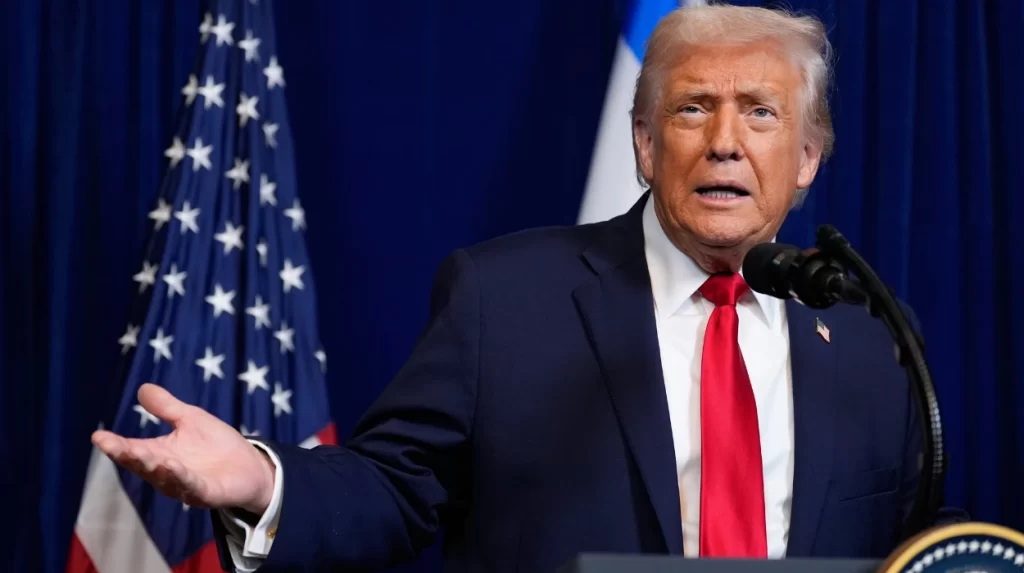

In a recent statement, former President Donald Trump issued a stern warning to Iran regarding its treatment of peaceful protesters amidst rising tensions in the Middle Eastern nation. The warning comes at a time when protests have erupted across Iran, driven by discontent over economic hardships, political repression, and social issues. The Iranian government’s response to the demonstrations has been widely criticized, both domestically and internationally, raising alarm bells about potential human rights violations.
Trump’s remarks highlight a historical pattern of U.S. presidents addressing human rights abuses globally, particularly when it involves authoritarian regimes. His comments echo similar sentiments expressed during his presidency, where he often positioned himself as an advocate for freedom and democracy. While in office, Trump took a tough stance against Iran, emphasizing the need to confront and contain its aggressive behavior in the region.
In his warning, Trump asserted that the international community should not remain silent while the Iranian regime oppresses its own citizens. By urging the Iranian government to respect the right to peaceful protest, he has tapped into a broader narrative of solidarity with people fighting for their rights. This has significant implications, as the issue of human rights is often intertwined with foreign policy, especially concerning nations like Iran, which have had contentious relationships with the United States.
The Iranian government has a long history of crackdowns on dissent, employing tactics that include violent suppression and intimidation. Observers have noted that such actions not only violate ethical norms but also foster further resentment among the populace, potentially leading to greater instability. Trump’s warning serves as a reminder to the international community that the treatment of protesters in Iran has far-reaching consequences, not just for the country itself but for regional stability as well.
Moreover, Trump’s admonition brings into focus the global responsibility to advocate for human rights. By calling attention to the plight of Iranian protesters, he is aligning with a broader coalition of voices concerned about state violence against dissent. His words could resonate with other nations, encouraging a collective response to diplomatic pressure on Iran.
As protests continue and the government’s response remains unpredictable, the relationship between the U.S. and Iran remains complex. Trump’s warning may not directly impact the on-ground situation but serves to amplify the message that peaceful protesting is a universal right that should be protected, regardless of geographic borders. The call for justice and human dignity is timeless, reminding us that the struggle for freedom transcends political divides.
For more details and the full reference, visit the source link below: