
DOT Closes Loophole Allowing Unqualified Drivers to Obtain Commercial Truck Licenses
Introduction
In a significant regulatory move, the U.S. Department of Transportation (DOT) has taken action to close a critical loophole that has allowed unqualified individuals to obtain commercial truck licenses. This change aims to enhance road safety, ensure well-trained drivers are behind the wheel, and uphold the integrity of the trucking industry. This article explores the issues surrounding this loophole, the implications of the new regulations, and the overall importance ofqualified driver training in the trucking sector.
Understanding the Loophole
Historically, various loopholes existed in the licensing system that permitted individuals with minimal qualifications to acquire commercial truck licenses. These loopholes often stemmed from:
- Inadequate Testing: Many states had lenient testing requirements, enabling unqualified drivers to pass with little effort.
- Fraudulent Practices: Instances of fraudulent documentation and falsified records were not uncommon, allowing individuals who did not complete training to obtain necessary licenses.
- Poor Oversight: Inconsistent state regulations led to a lack of uniformity in licensing processes, making it possible for unqualified individuals to be licensed in some states while being denied in others.
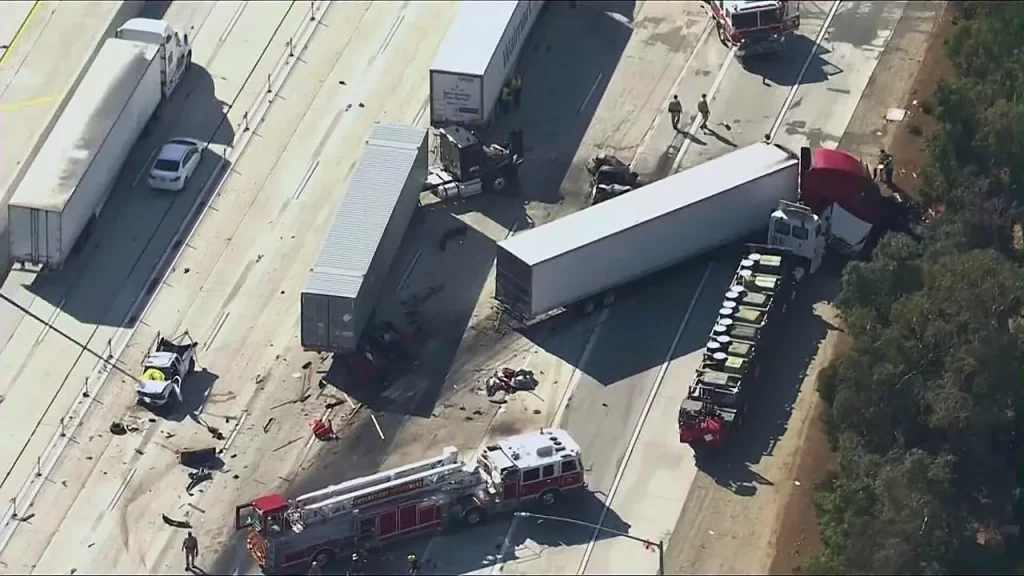
These loopholes posed a serious threat to public safety on the nation’s highways and contributed to an increase in accidents involving commercial vehicles.
Importance of Closing the Loophole
The closure of this loophole is not just a regulatory change but a critical step toward safer roads. Here are a few reasons why this action is significant:
1. Enhancing Road Safety
One of the primary motivations behind the DOT’s decision is to improve road safety. Unqualified drivers increase the risk of accidents, especially in commercial trucking, where large vehicles can cause severe damage during collisions. Ensuring that drivers are adequately trained and qualified significantly decreases the chance of accidents.
2. Protecting Public Interest
The general public has a vested interest in knowing that those driving large trucks on their roads have undergone rigorous training and possess the necessary skills to operate such vehicles safely. The DOT’s regulations aim to maintain public trust in the commercial trucking industry.
3. Promoting Professionalism in the Industry
A well-regulated licensing system encourages professionalism among commercial truck drivers. By enforcing higher standards, the DOT fosters an environment where safety and skill are paramount, which benefits all stakeholders, including companies, drivers, and the general public.
Regulatory Changes and New Requirements
The DOT’s recent changes introduce several new requirements for obtaining a commercial truck license:
1. Enhanced Training Programs
The new regulations mandate that all prospective commercial drivers undergo comprehensive training programs that cover both theoretical and practical aspects of vehicle operation. Training programs will now be standardized across states to ensure that all recruits meet a baseline competency before obtaining their licenses.
2. Stricter Testing Procedures
The DOT has implemented stricter testing procedures for obtaining a commercial driver’s license (CDL). This includes both a written test and a skills assessment, which must be passed to receive a CDL. These tests will focus on various areas, such as safe driving practices, vehicle inspection, and emergency handling.
3. Continuous Monitoring and Evaluation
To maintain high standards, the DOT will now require ongoing evaluation of commercial drivers. This monitoring will encompass regular checks of driving records and the implementation of refresher courses to ensure compliance with updated safety standards.
Implications for the Trucking Industry
The trucking industry will undoubtedly feel the effects of these regulatory changes. While some may view these new requirements as burdensome, they offer numerous potential benefits:
1. Improved Safety Metrics
As more qualified individuals enter the workforce, the overall safety record of the trucking industry is expected to improve. This could lead to fewer accidents and, consequently, lower insurance costs for trucking companies.
2. Better Public Perception
With higher safety standards and stringent licensing procedures in place, the public’s perception of truck drivers and the trucking industry as a whole may improve. This could lead to increased support for the industry and potential growth in business opportunities.
3. Higher Standards for Employers
Trucking companies will need to raise their recruiting and training standards to comply with the new regulations. This could lead to financial investments in training programs but will ultimately result in a more skilled workforce.
Overcoming Challenges
While the DOT’s initiative has noble intentions, the transition to these new regulations may present challenges:
1. Resistance from Drivers and Companies
Some individuals may resist the new training protocols, viewing them as unnecessary hurdles. Similarly, smaller companies may struggle to adjust to increased training costs or administrative requirements.
2. Implementation Timeline
The implementation of these new regulations requires a well-thought-out timeline that allows all stakeholders to adjust. The DOT must ensure that sufficient resources are available for training and testing purposes to meet the new standards.
3. Outreach and Education
To facilitate a smooth transition, the DOT will need to engage in outreach and education programs aimed at both drivers and employers. Creating awareness about the benefits of qualified drivers will be essential to gain acceptance.
Conclusion
The closure of loopholes allowing unqualified drivers to obtain commercial truck licenses marks a pivotal moment in the trucking industry. This regulatory change, enforced by the DOT, underscores the importance of safety, professionalism, and accountability within the industry. By ensuring that commercial drivers are adequately trained and qualified, the DOT is taking a necessary step to enhance road safety and protect public interest. While challenges may arise during implementation, the long-term benefits are clear: better-trained drivers, safer highways, and a stronger, more reputable trucking industry.
As the industry adapts to these new regulations, maintaining a focus on continuous improvement and education will be essential for the future of commercial driving in the United States.