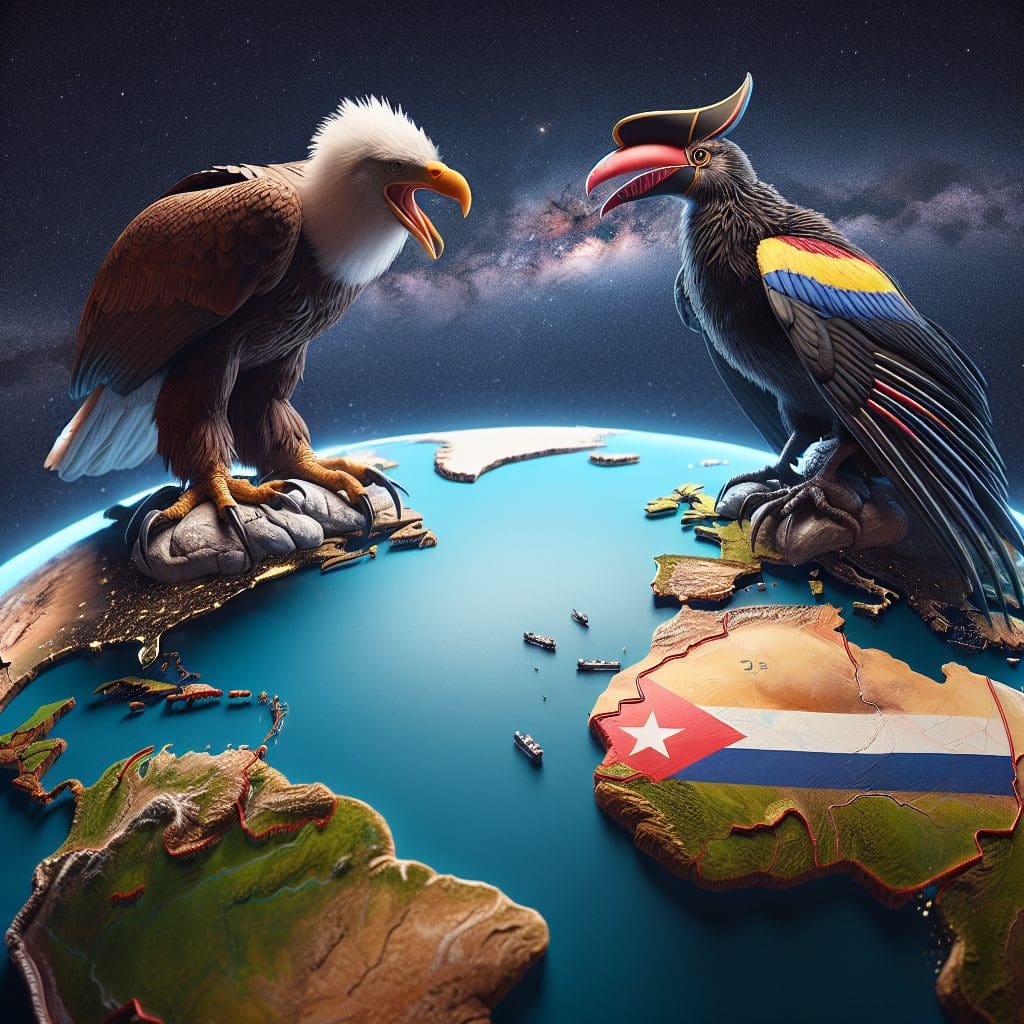

Ecuador’s recent decision to declare the Cuban ambassador and diplomatic staff as ‘persona non grata’ has ignited a wave of indignation in Cuba, highlighting the complexities of diplomatic relations in the region. This move is emblematic of growing tensions that reflect underlying geopolitical dynamics and ideological rifts.
Ecuador’s designation comes amid allegations of “interference” in its internal affairs by the Cuban government. These accusations revolve around Cuba’s support for specific political factions and its involvement in influencing public opinion within Ecuador. This diplomatic affront signals a broader shift in Ecuador’s foreign policy, which has become increasingly assertive in rebuilding its autonomy and distancing itself from leftist alliances that have historically characterized much of Latin American politics.
Cuba’s reaction has been one of vehement condemnation, with government officials labeling Ecuador’s actions as “unjust” and “provocative.” Cuban leadership views this move as an attack not only on their diplomatic mission but also as a broader assault on sovereign nations’ rights to engage in international dialogue. They argue that such measures threaten the principles of diplomacy and cooperation that are essential for maintaining regional stability.
The fallout extends beyond simple diplomatic niceties, as Cuba’s leadership has called on allied nations to rally in support, emphasizing solidarity against perceived imperialist maneuvers. This situation highlights the delicate balance in Latin American politics, where solidarity networks among socialist and leftist governments often come to the forefront in response to perceived injustices.
For Ecuador, this designation reflects a strategic pivot towards reaffirming its national identity and aligning with governments that share its vision of democracy and human rights. President Daniel Noboa’s administration may perceive the move as a necessary measure to curb foreign influence and reinforce domestic governance principles. It is possible that this shift resonates with the broader electorate, who may feel a growing concern over foreign involvement in their national affairs.
Additionally, the tensions may be viewed through the lens of evolving U.S.-Latin American relations. With the United States’ renewed interest in engaging with Latin America, Ecuador might see an opportunity to recalibrate its political alliances, distancing itself from the remnants of Cuba’s storied influence in the region.
In conclusion, Ecuador’s declaration of ‘persona non grata’ for the Cuban ambassador and staff represents a significant turning point in diplomatic relations, encapsulating themes of autonomy, solidarity, and shifting allegiances in an ever-evolving geopolitical landscape. The ramifications of this decision will likely resonate throughout the region, impacting both diplomatic ties and popular sentiment.
For more details and the full reference, visit the source link below: