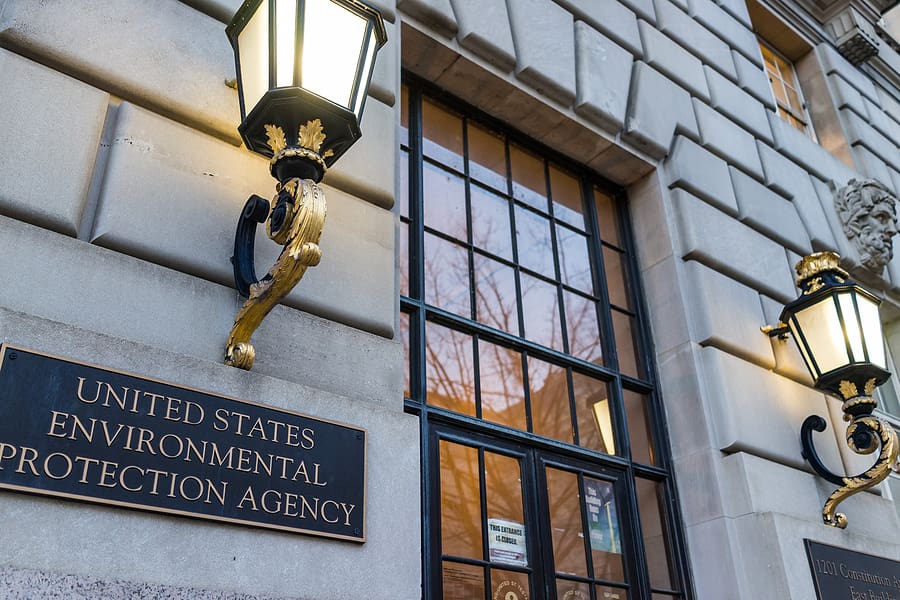

In a significant move aimed at addressing long-term environmental health and safety, the Environmental Protection Agency (EPA) has announced plans to reexamine eight former Superfund sites in 2026. Originally designated as some of the most contaminated locations in the United States, these sites have undergone various remediation efforts over the years. However, the necessity of reassessment arises from evolving scientific understanding, technological advancements, and the continuing impact of pollutants on local communities.
Superfund sites are locations identified by the EPA as requiring cleanup because they pose a risk to public health or the environment due to hazardous wastes. The original Superfund program, established by the Comprehensive Environmental Response, Compensation, and Liability Act (CERCLA) in 1980, was designed to facilitate the identification, cleanup, and management of these contaminated sites. Over the decades, the EPA has taken various steps to mitigate risks associated with these sites, but the dangers may persist, often requiring updated strategies for effective management.
The forthcoming reexamination of these eight sites will focus on several critical areas. First, the EPA plans to evaluate the current conditions of the sites, taking into account any new data regarding contamination levels, ecological impact, and risks to human health. This involves engaging local communities and stakeholders, as their insights are invaluable for understanding site impacts on daily life in affected areas.
Moreover, technological advancements present opportunities for more effective remediation strategies. The EPA aims to incorporate modern techniques and methods that may not have been available during the initial assessments and cleanup efforts. This includes innovations in monitoring pollution, bioremediation, and advanced containment technologies, which could improve the effectiveness of past remediation efforts or indicate the need for new approaches.
Community involvement will also play a pivotal role in this reexamination process. The EPA has expressed a commitment to transparency and collaboration, ensuring that local residents are informed and included in discussions around the health and safety of their environment. This outreach is crucial, as communities often bear the brunt of contamination effects, from health issues to economic decline.
In conclusion, the EPA’s decision to reexamine these eight Superfund sites is a proactive approach to environmental management, aimed at safeguarding public health and restoring ecosystems. By leveraging new technologies and engaging communities, the agency aims to not only remediate these hazardous sites but also foster trust and collaboration with those most affected by environmental degradation. This initiative marks a vital step forward in the ongoing efforts to ensure a safer and healthier environment for all.
For more details and the full reference, visit the source link below:
Read the complete article here: https://www.stl.news/epa-to-reexamine-eight-superfund-sites-in-2026/