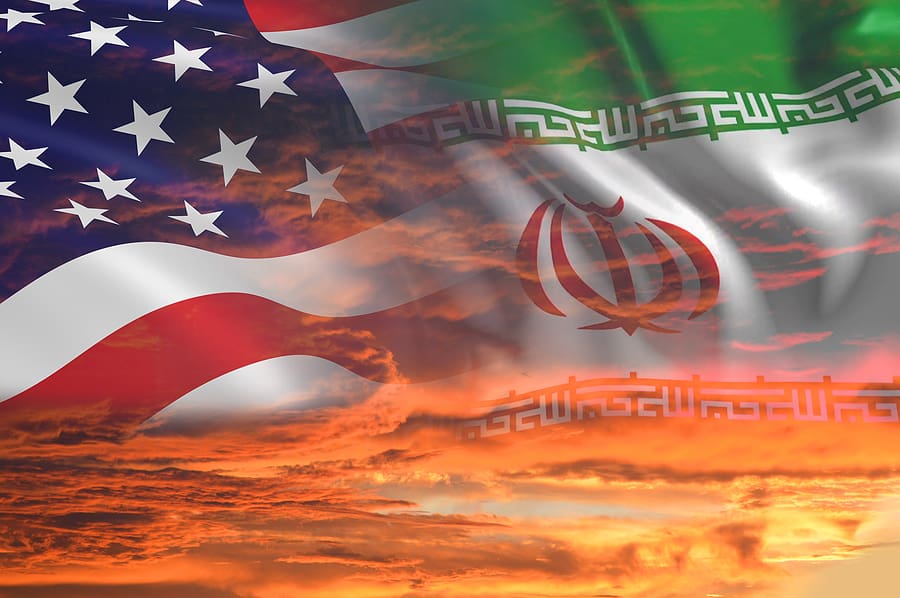

The escalation of tensions in Iran, particularly following a series of military strikes in the region, has garnered significant global attention and concern. These recent developments arise amid ongoing geopolitical struggles, both within Iran and with foreign powers, especially the United States and its allies. The strikes, attributed to various factions with diverging objectives, underscore the intricacies of Middle Eastern politics and the potential for wider conflict.
In recent months, Iran’s military engagements have intensified, reportedly targeting perceived threats, including U.S. interests and regional adversaries. These strikes, often characterized as preemptive or retaliatory, reflect Iran’s strategic calculations in an increasingly volatile landscape. The Iranian government appears determined to assert its influence, signaling to both domestic audiences and international adversaries that it will not back down in the face of pressure.
Global reactions to these escalations are varied and often polarized. The United States, alongside its allies, has condemned the strikes, viewing them as provocative actions that destabilize the already fragile peace in the region. Washington’s response has included calls for stronger sanctions against Iran and increased military support for allied nations who might be affected by Iranian aggression. The U.S. position is fundamentally rooted in a desire to protect its interests and those of its partners, particularly in light of historical tensions with Tehran.
Conversely, nations with closer ties to Iran view the strikes as legitimate expressions of Iranian sovereignty and defense. For instance, Russia and China have extended their support for Iran, criticizing U.S. interventions and military posturing that they argue exacerbate tensions. These nations advocate for diplomatic solutions rather than military interventions, suggesting that constructive dialogue could yield better outcomes than further escalation.
Humanitarian organizations have also voiced concerns regarding the impact of these strikes on civilians. Escalating military operations often lead to civilian casualties and displacement, exacerbating an already critical humanitarian situation in Iran and surrounding areas. The international community is thus confronted with a multifaceted crisis that calls for a careful balance between supporting legitimate security concerns and addressing the humanitarian ramifications of military actions.
In summary, the recent escalation of strikes in Iran has provoked a complex web of reactions globally. As nations grapple with how best to respond, the situation remains precarious. The potential for broader conflicts looms, emphasizing the importance of diplomatic efforts in de-escalating tensions and fostering stability in a region long plagued by discord. The outcome will likely shape the geopolitical landscape for years to come, underlining the necessity for a thoughtful and unified approach among global powers.
For more details and the full reference, visit the source link below: