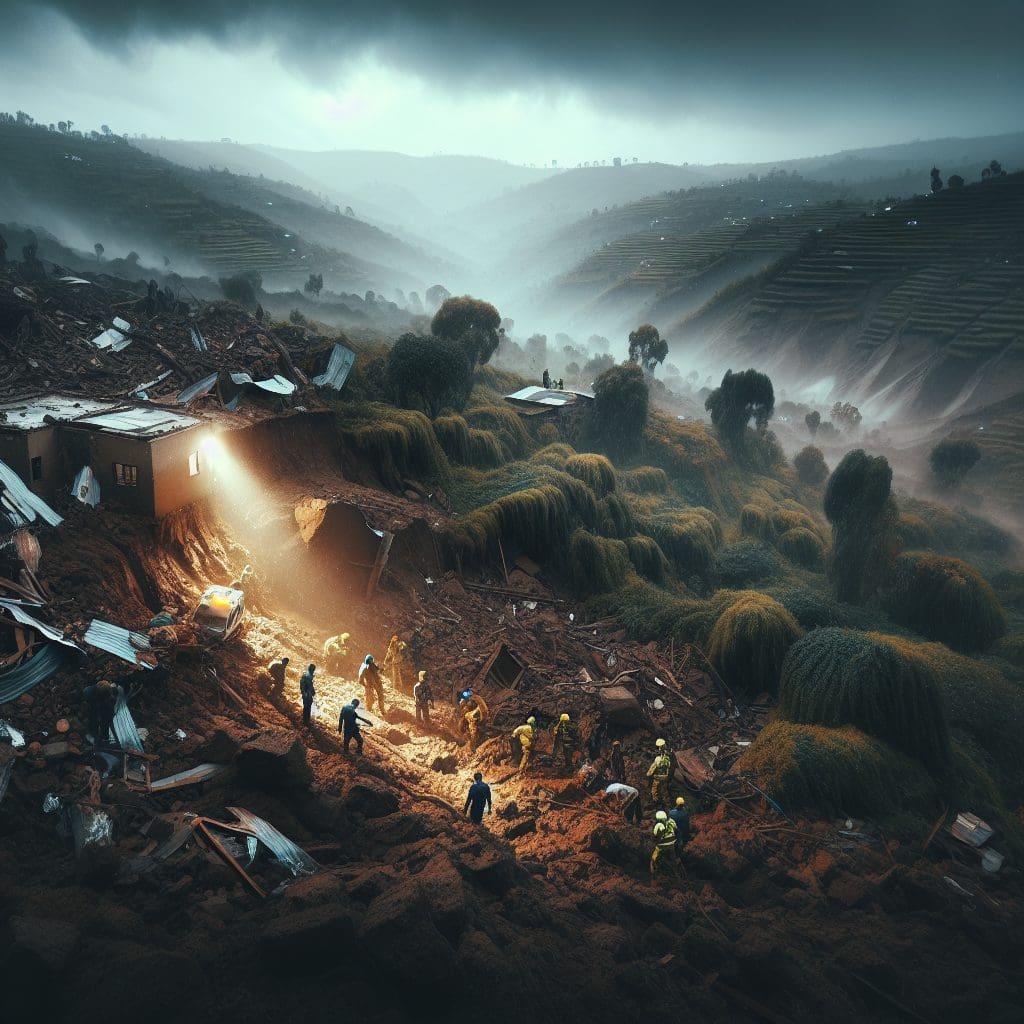

Ethiopia has recently been struck by a devastating series of landslides that have claimed over 50 lives, with many more individuals still unaccounted for. This catastrophic event underscores the increasing vulnerability of communities in the region to natural disasters, exacerbated by factors such as climate change, deforestation, and unregulated construction.
The landslides occurred during the rainy season, which has intensified in frequency and severity in recent years due to changing climate patterns. Many areas of Ethiopia are prone to heavy rainfall, and the combination of saturated soil and steep terrain can lead to deadly landslides. In recent reports, local officials indicated that the remote nature of several impacted areas has complicated rescue and recovery efforts. With accessibility challenges, aid workers are struggling to reach affected communities, highlighting the urgent need for improved infrastructure in these vulnerable regions.
Local government agencies and non-government organizations are mobilizing resources and personnel to assist in rescue operations. However, the search for survivors remains precarious, with rain further hindering efforts. Many families have experienced unimaginable loss, waiting anxiously for news of missing loved ones. The grief stricken communities are grappling not only with grief but also with the fear of further disasters as weather patterns continue to shift unpredictably.
Ethiopia’s landscape is often characterized by rapid changes due to extensive agricultural practices, which can destabilize the soil. Investment in sustainable land management practices has become increasingly critical to mitigate the risks of landslides and other natural disasters. Community awareness programs on disaster preparedness are also vital, empowering local populations to respond proactively to such emergencies.
The government faces the dual challenge of immediate disaster response and long-term strategies for climate resilience. International aid and cooperation can play a key role in addressing the aftermath of this tragedy, from providing immediate relief to establishing systems that can better withstand future challenges.
The landslides in Ethiopia are a tragic reminder of the fragility of human life in the face of nature’s fury and highlight the urgent need for both local and global efforts to combat climate change. As communities come together to mourn and heal, their collective resilience will be essential in rebuilding lives and fortifying themselves against the inevitable challenges that lie ahead. The echoes of this disaster will resonate beyond the immediate loss, prompting crucial conversations about environmental management and disaster preparedness for years to come.
For more details and the full reference, visit the source link below: