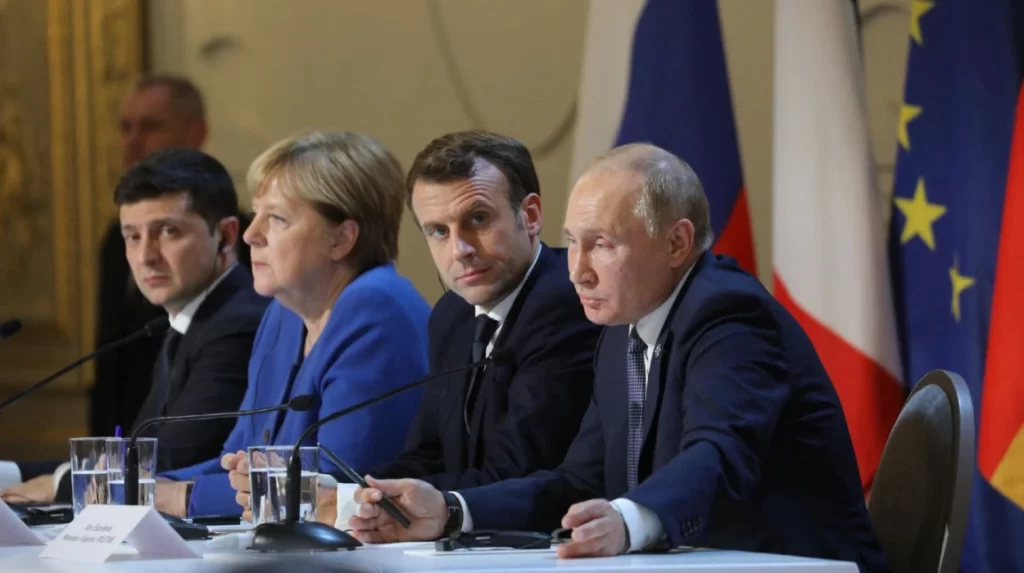

The European Commission recently acknowledged that engaging in dialogue with Russia is essential, marking a significant shift in the European Union’s approach to its relationship with Moscow. This acknowledgment stems from the complex geopolitical landscape that has emerged in the wake of various crises, including the conflict in Ukraine, energy dependencies, and rising global tensions.
Historically, EU relations with Russia have been marked by a series of ups and downs, characterized by ambitious agreements and intense disagreements. For years, the EU has imposed sanctions on Russia in response to its aggressive actions, which include the annexation of Crimea in 2014 and its involvement in the ongoing conflict in eastern Ukraine. This series of events has created a rift between the two entities, leading to a largely adversarial relationship.
However, recent developments have underscored the necessity for dialogue. The energy crisis triggered by geopolitical tensions has made it clear that both the EU and Russia have significant stakes in maintaining open channels of communication. Europe has been grappling with the urgency to diversify its energy sources and reduce dependence on Russian gas, while Russia, for its part, relies heavily on European markets for its energy exports. As energy transition becomes a priority, the need for collaborative strategies to tackle climate change further complicates the situation, necessitating constructive discussions.
The EU Commission’s recognition of this need is also driven by the urgency of addressing regional security challenges. The ongoing war in Ukraine and increasing military tensions in Eastern Europe require concerted efforts to prevent escalation and find pathways to peace. Diplomacy is increasingly seen as an essential tool in mitigating risks, especially in a time when misinformation and acts of aggression can easily destabilize nations.
Additionally, the suggestion for renewed talks comes amidst growing calls for a more unified foreign policy approach within the EU. Member states are recognizing that a fragmented stance may weaken their negotiating power with Russia. By presenting a more cohesive front, the EU can better advocate for European interests and promote stability in the region.
In conclusion, the EU Commission’s acknowledgment of the necessity for dialogue with Russia highlights a pragmatic approach to foreign policy in the face of complex realities. While the EU remains firm on its values and principles, it also recognizes that diplomacy is a crucial instrument for ensuring security, fostering cooperation, and addressing pressing global challenges. Engaging in dialogue does not mean compromising on fundamental issues; rather, it opens avenues for negotiation and potential conflict resolution, underscoring the intricate balance between confrontation and collaboration in international relations.
For more details and the full reference, visit the source link below: