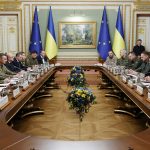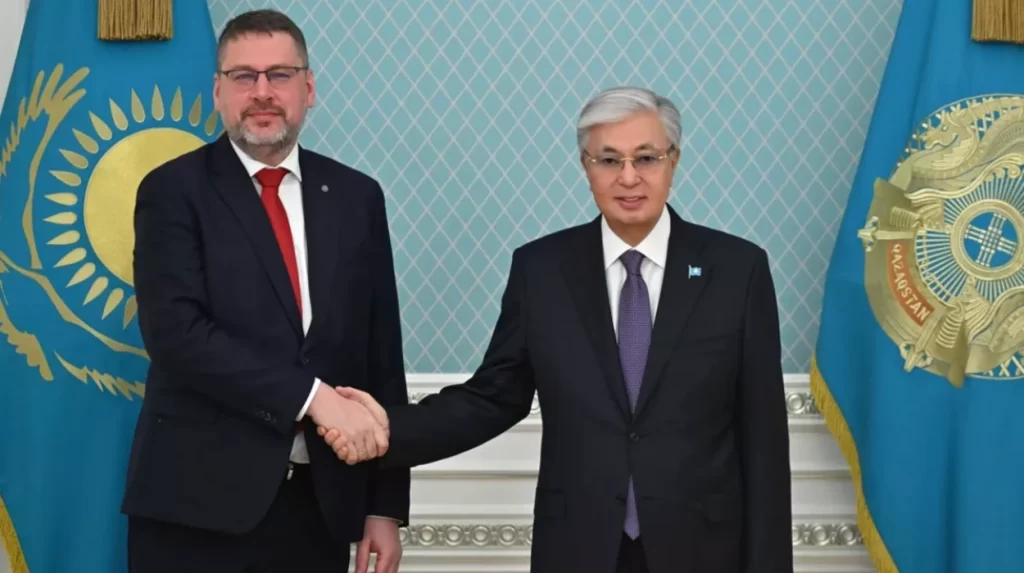

The European Union (EU) is poised to upgrade its partnership with Kazakhstan, reflecting a strategic shift in geopolitical relations and economic collaboration. Kazakhstan, the largest country in Central Asia, has long been viewed as a vital partner for the EU, not only due to its substantial natural resources but also because of its geographical significance as a transit hub connecting Europe and Asia.
Kazakhstan’s potential as a partner is multifaceted. The country is rich in oil, gas, and minerals, making it an attractive destination for European investments seeking to enhance energy security. The EU’s reliance on external energy sources necessitates diversification, and Kazakhstan’s resources provide an alternative to traditional suppliers. The ongoing dialogue about energy cooperation indicates a commitment to sustainable and efficient energy practices, enhancing energy security while also addressing environmental concerns.
In recent years, the EU has recognized the importance of Kazakhstan’s role in regional stability and security. As Central Asia navigates complex political dynamics, the EU’s involvement aims to promote not only economic cooperation but also democratic governance and human rights initiatives. This multifaceted partnership includes the sharing of best practices in governance, rule of law, and civil society engagement, fostering greater political stability in Kazakhstan and the wider region.
Moreover, the EU has been strengthening its ties through various frameworks, including the EU-Kazakhstan Enhanced Partnership and Cooperation Agreement. This agreement serves as a foundation for deeper cooperation across multiple sectors, including trade, investment, education, and research. The emphasis on innovation and technology in this partnership aligns with the EU’s focus on green transition and digitalization, providing opportunities for both regions to collaborate on sustainable development initiatives.
The geopolitical landscape is also a significant factor in the EU’s upgraded partnership with Kazakhstan. As tensions rise globally, the EU is keen on fostering strong relationships with countries that can influence regional stability. Kazakhstan’s strategic position as a member of organizations like the Eurasian Economic Union provides the EU with a partner capable of navigating complex regional dynamics while maintaining a neutral stance.
In conclusion, the upgrading of the EU’s partnership with Kazakhstan signals a commitment to fostering a robust and multifaceted relationship. From energy cooperation to political dialogue, this partnership reflects a mutual desire for sustainable development and regional stability. As both parties work towards common goals, the collaboration could serve as a model for future partnerships between the EU and other Central Asian nations, underscoring the EU’s importance as a global player in promoting security and sustainable development.
For more details and the full reference, visit the source link below: