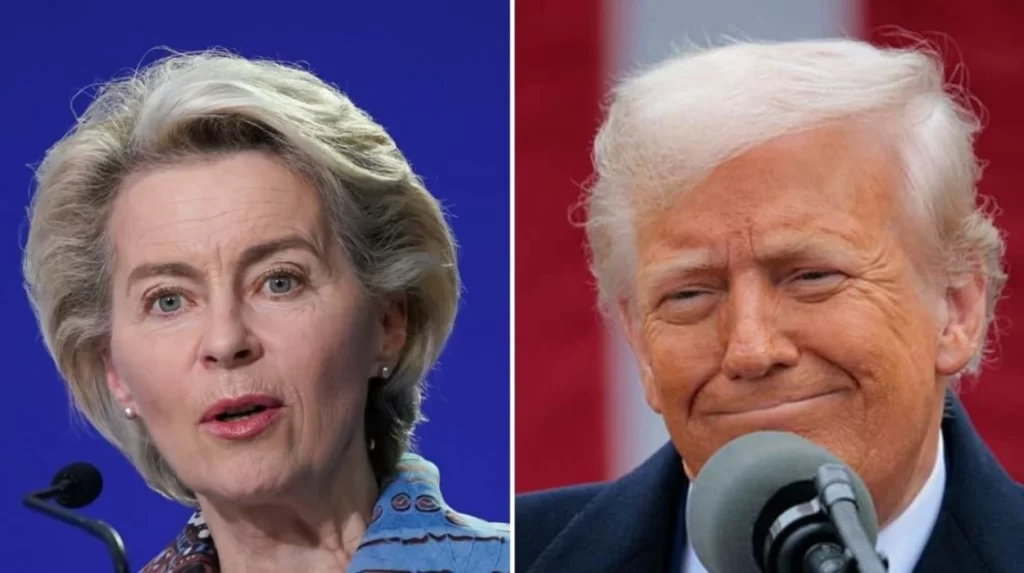

In a significant diplomatic response, European Union leaders have firmly condemned the recent United States military strikes on Venezuela, raising concerns about the implications for international law and regional stability. The airstrikes, which the U.S. justified as necessary measures to counter perceived threats from the Venezuelan government, have sparked a wave of criticism from both EU officials and various international observers.
EU leaders have emphasized the importance of dialogue and diplomacy in resolving conflicts, particularly in Latin America, where historical interventions by external powers have often led to prolonged strife and instability. The strikes have raised alarm about the potential escalation of violence in Venezuela, a country already grappling with severe political, economic, and humanitarian crises. The EU has urged for a peaceful resolution and stressed the need for respect for Venezuela’s sovereignty and territorial integrity.
In their joint statement, EU leaders have pointed out that unilateral military actions undermine the principles of international law and could set a dangerous precedent. They advocate for a multilateral approach, calling for renewed efforts to engage all parties involved in the Venezuelan crisis, including the government of President Nicolás Maduro and opposition groups. The EU’s position reinforces its commitment to promoting human rights and democracy, which it argues can only be achieved through inclusive dialogue rather than military intervention.
The response from the EU reflects not only a moral stance but also strategic considerations, as the Venezuelan crisis has far-reaching implications for European interests in the region. Many European nations are concerned about the influx of Venezuelan refugees and the potential destabilization of neighboring countries. These factors, combined with the EU’s long-standing historical ties to Latin America, underscore the need for a well-coordinated diplomatic strategy that involves not just the U.S. but also regional partners.
Furthermore, the EU’s condemnation of U.S. strikes aligns with its broader narrative of advocating for non-militaristic approaches to conflict resolution. As discussions surrounding global governance and the role of major powers evolve, the EU seeks to position itself as a mediator and advocate for peace, leveraging its influence to foster collaborative solutions.
In conclusion, the European Union’s condemnation of U.S. military strikes in Venezuela reflects deep-seated concerns about sovereignty, international law, and the need for cooperative diplomatic efforts. As the situation develops, the EU will likely continue to assert its role as a proponent of peaceful conflict resolution in a complex and multifaceted global landscape.
For more details and the full reference, visit the source link below: