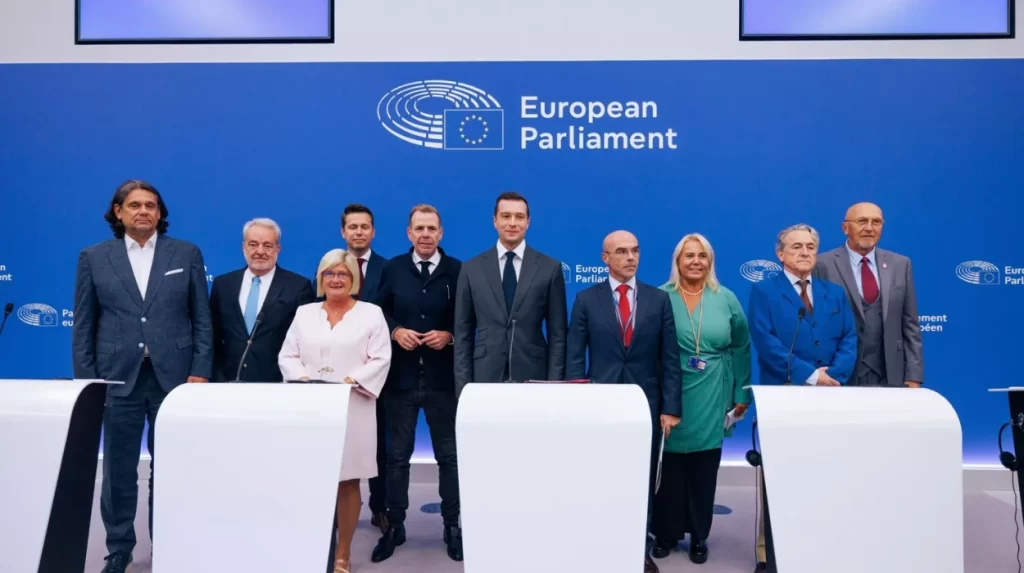

The European Parliament is set to debate a censure motion against the European Commission, marking a significant moment in EU politics that underscores tensions within the European Union’s governance structures. This motion, which has been prompted by various concerns over the Commission’s actions and decisions, will allow MEPs (Members of the European Parliament) to assess the Commission’s performance and hold it accountable.
This development emerges amid a backdrop of increasing scrutiny of the Commission, particularly regarding its handling of critical issues such as climate change, digital regulation, and economic recovery in the wake of the COVID-19 pandemic. Critics argue that the Commission has not effectively managed proposals aimed at environmental sustainability and has failed to strike the right balance between fostering economic growth and ensuring social equity.
The censure motion, if passed, could have immediate consequences, including a loss of political credibility for the Commission and its President, Ursula von der Leyen. A censure vote is a powerful parliamentary tool that signals disapproval of the Commission’s conduct and can compel it to amend its policies or approach. Although it is rare for the Parliament to pass a censure motion, the current political climate in Europe, accentuated by populist movements and rising public dissatisfaction, has created a climate where accountability is being rigorously demanded.
MEPs from various political groups have voiced their support for the debate, highlighting issues ranging from alleged incompetence to failures in transparency and public engagement. The relevance of citizen trust in EU institutions cannot be understated, especially as the Union faces considerable challenges, including geopolitical tensions, migration crises, and the fallout from Brexit. A decisive stance from the Parliament could embolden the electorate and affirm the significance of democratic processes within the Union.
Moreover, such a motion raises pertinent questions about the effectiveness of the Commission’s leadership and strategic approach. It can also reflect the shifting political dynamics within the EU, showcasing a Parliament that is not afraid to confront the executive branch over its performance.
As the debate looms, all eyes will be on the outcomes and the response from the Commission. The implications of this motion extend beyond mere political theater; they encapsulate the ongoing conversation about accountability, governance, and the future of the European Union itself. Whether the Parliament’s action leads to constructive changes or simply serves as a symbolic gesture remains to be seen, but it undeniably highlights the importance of oversight in democratic institutions.
For more details and the full reference, visit the source link below: