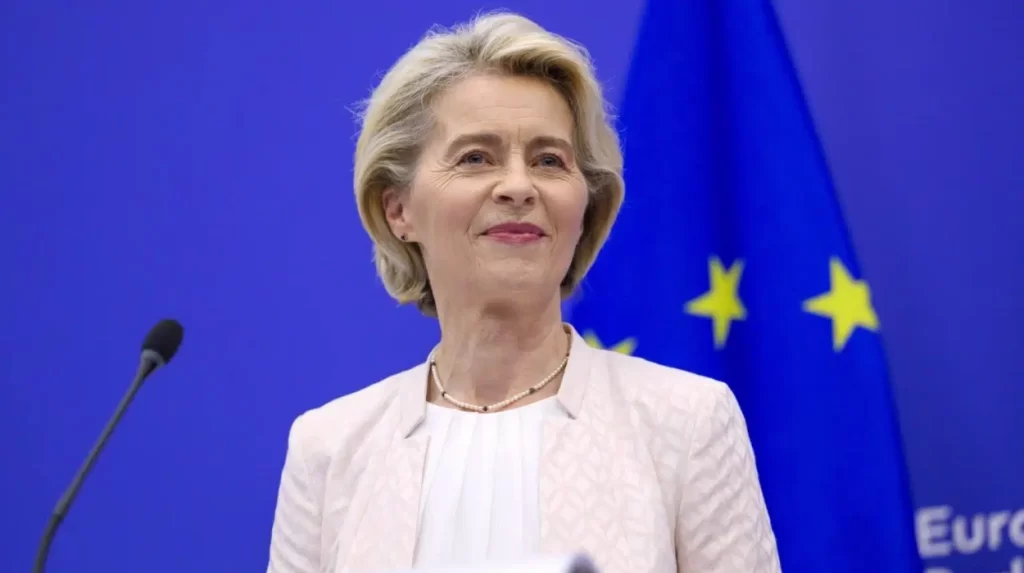

In a significant development for Nigeria, the European Union (EU) has officially removed the country from its list of high-risk third countries in terms of financial transactions. This decision marks a notable shift in the EU’s stance and reflects improvements in Nigeria’s anti-money laundering and counter-terrorism financing frameworks.
Historically, being categorized as a high-risk third country has severe implications for a nation’s financial and economic interactions with the EU. Such a designation can deter foreign investment, complicate cross-border transactions, and increase compliance costs for financial institutions dealing with entities in the flagged country. For Nigeria, this designation posed challenges, as it struggled to attract international investments and foster trade with European nations.
The EU’s decision comes after a series of reforms and measures implemented by the Nigerian government aimed at bolstering its financial regulatory systems. These efforts include enhanced compliance with international standards, improved mechanisms for tracking and reporting suspicious financial activities, and greater cooperation with international bodies. Over the past few years, Nigeria has made strides in aligning its financial practices with global norms, particularly those set out by the Financial Action Task Force (FATF).
This positive development is crucial for Nigeria’s economic landscape. The removal from the high-risk list is expected to enhance the country’s attractiveness to foreign investors, fostering an environment conducive to economic growth. It also signals to the global financial community that Nigeria is serious about addressing its past challenges related to financial integrity and compliance.
Moreover, this milestone opens up new avenues for Nigerian businesses seeking partnerships and collaborations with European companies. It facilitates smoother transactions and reduces the bureaucratic hurdles that previously hampered economic engagement. As confidence in Nigeria’s financial environment grows, companies may find it easier to explore and expand their operations within Europe.
However, while this accomplishment is commendable, it is vital for Nigeria to maintain its commitment to improving its financial systems to avoid being placed back on the high-risk list in the future. Continuous efforts in transparency, governance, and law enforcement will be crucial in sustaining this progress.
In conclusion, the EU’s removal of Nigeria from the high-risk third country financial risk list is a promising step forward for the nation. It not only enhances Nigeria’s global economic standing but also underscores the importance of diligent reform in maintaining international financial relationships. As Nigeria moves forward, the emphasis should remain on robust financial governance to ensure that the nation’s economic potential is fully realized and leveraged for sustainable growth and development.
For more details and the full reference, visit the source link below: