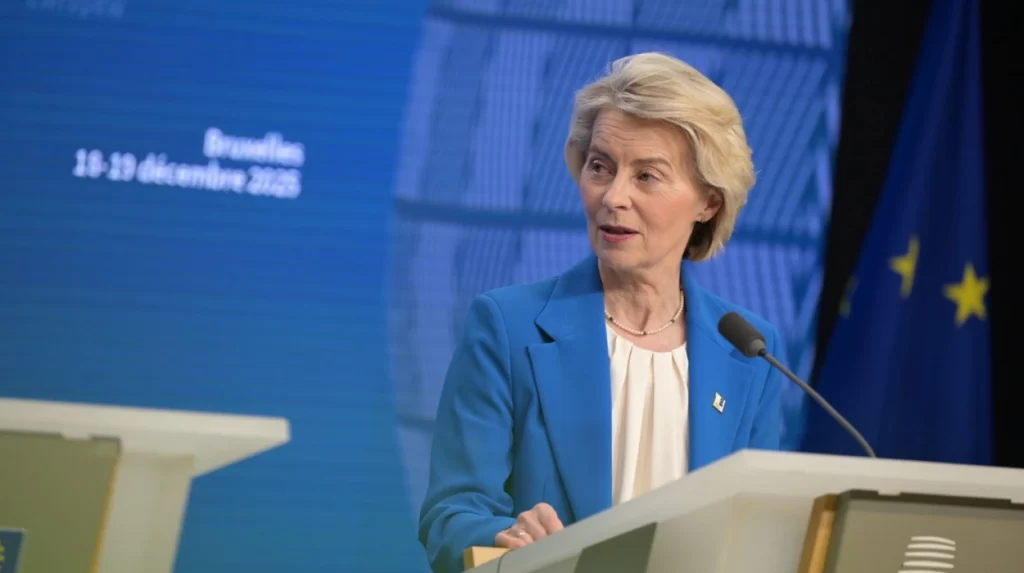

The European Commission has announced a comprehensive €90 billion loan plan aimed at supporting Ukraine during the critical years of 2026-2027. This initiative is part of the EU’s broader strategy to assist Ukraine in its recovery and reconstruction efforts following the ongoing conflict with Russia. The substantial financial package is not merely a relief effort but a proactive step toward stabilizing the region, fostering economic growth, and underpinning democratic institutions.
At its core, the loan plan serves several vital functions. First, it aims to bolster Ukraine’s economic infrastructure, which has been severely compromised due to the war. Key sectors such as energy, transportation, and healthcare require immediate attention to rebuild the country’s resilience and sustainability. The loan is designed to facilitate investments in these areas, enabling Ukraine to emerge stronger and more capable of withstanding future adversities.
Additionally, the loan plan underscores the European Union’s long-term commitment to supporting Ukraine’s integration into European structures. By offering financial aid, the EU not only intends to assist in the short term but also to promote structural reforms that align with European standards. This is crucial for Ukraine in its quest to join the EU, as implementing necessary reforms will be a significant step toward securing membership.
The financing will be structured in a way that allows for flexibility and accountability. By incorporating mechanisms for monitoring and evaluation, the European Commission aims to ensure that funds are utilized effectively and transparently. This approach is vital in maintaining public trust and demonstrating to taxpayers in Europe that their contributions are being well managed.
Moreover, the €90 billion loan plan has significant geopolitical implications. It signals a united front from European nations, reaffirming their solidarity with Ukraine amid mounting pressures from Russia. By providing such extensive financial backing, the EU reinforces its role as a stabilizing force in Eastern Europe, countering any attempts by Russia to exert influence over the region.
The European Commission’s loan plan also emphasizes the importance of international collaboration. Engaging other global financial institutions and partners will be necessary to mobilize additional resources and expertise. This collaborative effort can foster a more comprehensive approach to Ukraine’s recovery, ensuring that multiple stakeholders are committed to long-term solutions.
In summary, the European Commission’s €90 billion loan plan represents a pivotal moment in Ukraine’s path toward recovery and European integration. By addressing economic challenges and promoting democratic values, this initiative not only seeks to rebuild Ukraine but reinforces the EU’s commitment to a stable, prosperous, and cohesive Europe.
For more details and the full reference, visit the source link below: