
Europe’s defence sector has undergone a significant transformation in response to the escalating security threats and geopolitical tensions arising from recent conflicts, most notably the war in Ukraine. The Russian invasion in February 2022 served as a wake-up call for many European nations, revealing vulnerabilities in military readiness and prompting a paradigm shift in defence strategies. As a result, European countries have increased their defence spending and reassessed their military capabilities and cooperative frameworks.
Historically, Europe’s defence budgets have been characterized by constraints and varying commitment levels among NATO members. Many nations have struggled to meet the alliance’s guideline of allocating 2% of their GDP to defence, often prioritising social and economic programs over military expenses. However, the current geopolitical climate has necessitated a reevaluation of these priorities. Countries such as Germany, which has long maintained a pacifist stance following World War II, announced substantial increases in military spending, acknowledging the need for a robust deterrent against potential aggressions.
In response to these changes, European governments are investing in modernizing their armed forces, focusing on advanced technologies and capabilities. The push towards greater autonomy and enhanced military capabilities has propelled a wave of defence procurement and innovation within the sector. Nations are collaborating on joint projects, such as the European Future Combat Air System (FCAS) and the Main Ground Combat System (MGCS), to develop next-generation military technology that can operate seamlessly across borders.
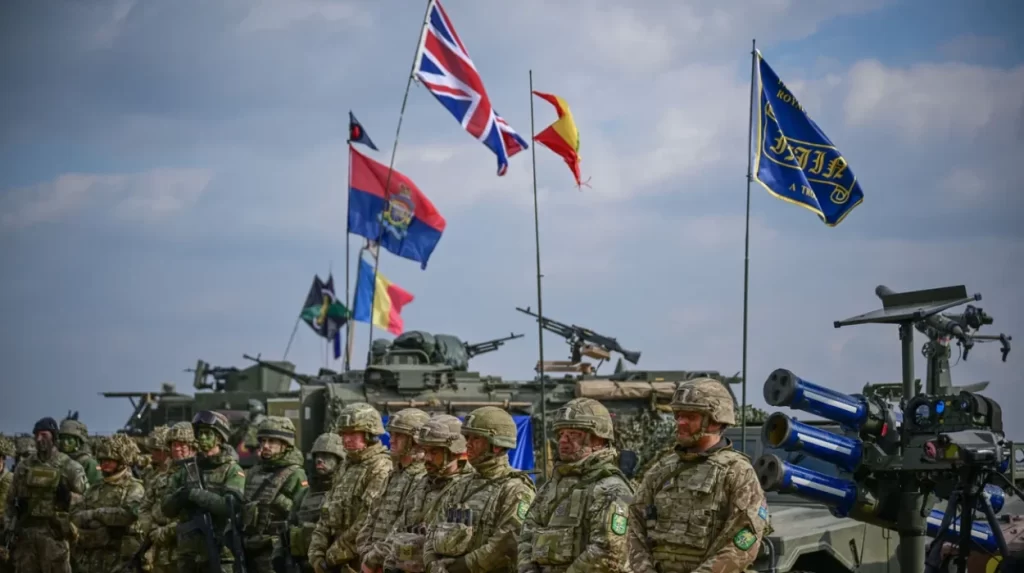
Moreover, there is a growing emphasis on interoperability among European forces and with NATO allies. Exercises and joint training initiatives have increased in frequency, fostering closer ties and shared operational standards. This collaboration is critical not only for effective military response but also for building a united front against any potential aggressors that threaten European security.
In addition to increased spending and modernization, the war has revitalized discussions about European strategic autonomy. By enhancing defence capabilities and reducing reliance on external powers, particularly the United States, Europe aims to be more self-sufficient in addressing its security challenges. This objective is accompanied by a renewed focus on the importance of a cohesive European defence identity, which could lead to a more integrated approach to security within the European Union.
In conclusion, the transformation of Europe’s defence sector catalyzed by the war in Ukraine is profound and multifaceted. Higher spending, modernization efforts, and enhanced cooperation reflect a collective commitment to bolstering European security in an increasingly complex international landscape. As nations adapt to the realities of today’s threats, Europe’s defence posture is likely to evolve further, fostering not only national security but also regional stability.
For more details and the full reference, visit the source link below: