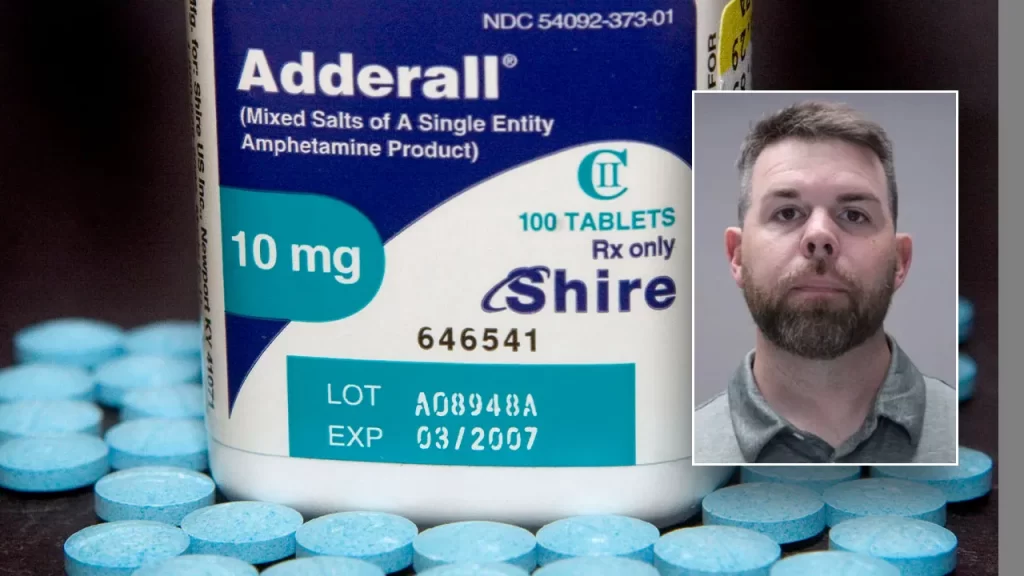

Ex-D.A.R.E. Officer Michael Tapscott Pleads Guilty to Drug Sales
Introduction
In a stunning turn of events, former D.A.R.E. officer Michael Tapscott has pleaded guilty to charges related to drug sales. This revelation has sent shockwaves through the community, eroding the trust that many have in law enforcement and drug prevention programs. Beyond the personal implications for Tapscott, this case raises questions about the effectiveness of anti-drug initiatives and the integrity of those tasked with enforcing them.
Background of Michael Tapscott
Michael Tapscott was once celebrated as a dedicated D.A.R.E. (Drug Abuse Resistance Education) officer, responsible for educating schoolchildren about the dangers of drug use and promoting a drug-free lifestyle. D.A.R.E. programs have been a staple in American schools for decades, teaching students the skills to resist peer pressure and make informed choices about drug use. However, the irony of an officer, dedicated to preventing drug abuse, now facing criminal charges for drug sales, highlights the potential failings of such initiatives.
The Plea Deal
On entering his guilty plea, Michael Tapscott acknowledged his involvement in orchestrating and selling drugs over a period that brought him immense scrutiny. As part of the plea deal, Tapscott may receive a reduced sentence, but the implications for his career, reputation, and community trust are significant. This turn of events serves as a cautionary tale for all law enforcement officers and underscores the need for greater oversight within drug prevention programs.
Charges and Possible Sentencing
Tapscott faced multiple charges, including possession with intent to distribute and conspiracy to sell illegal substances. The legal ramifications are severe, and sentencing could range from years in prison to rehabilitation programs, depending on various factors, including his cooperation with authorities and the circumstances surrounding his drug sales.
The Impact on the D.A.R.E. Program
The fallout from Tapscott’s guilty plea resonates beyond his personal accountability. The D.A.R.E. program, which has long been associated with promoting a drug-free lifestyle, is now under scrutiny. Critics have long claimed that D.A.R.E. programs lack effectiveness, and incidents like Tapscott’s may reinforce these claims, leading to calls for reform or reevaluation of similar initiatives.
Community Reactions
Community members and school districts have reacted with disbelief and dismay. Many feel betrayed by someone they viewed as a protector and mentor. Parents worry about the message this sends to their children—if someone tasked with teaching drug resistance can fall victim to addiction or illegal activities, what hope is there for the youths they serve? This breakdown in trust highlights the need for ongoing discussion about accountability in law enforcement.
Reflecting on Law Enforcement Integrity
Tapscott’s case raises critical questions about integrity within law enforcement. As officers tasked with protecting our communities and fostering trust, there is an underlying expectation of moral character. Instances of officers engaging in criminal behavior undermine these expectations and erode the credibility of police departments.
The Importance of Training and Oversight
In light of this incident, the importance of training and oversight for law enforcement personnel must be re-emphasized. Regular psychological evaluations, drug tests, and ethics training could help prevent scenarios where officers stray from their duties.
Additionally, programs aimed at combating drug use should encompass comprehensive support systems for those working in high-stress environments, such as law enforcement. Providing adequate resources and mental health support for officers may mitigate the chances of a situation like Tapscott’s occurring in the future.
The Bigger Picture: Drug Education and Prevention
The case of Michael Tapscott serves as a microcosm for the larger drug epidemic facing the U.S. It highlights the challenges in addressing addiction and prevention as a societal issue, rather than merely a criminal one.
The Role of Education
Educational initiatives must be reevaluated and strengthened. While D.A.R.E. has played a significant role in drug prevention, research indicates the program has limitations—in particular, it has shown mixed results regarding its long-term effectiveness in reducing drug use among adolescents.
New methods of drug education and prevention are necessary. This could involve incorporating harm reduction strategies, community-based programs, and engaging parents in educational sessions that address not only the dangers of drugs but also the complexities of addiction.
Moving Forward
As Michael Tapscott awaits sentencing, it is imperative for community leaders, educators, and law enforcement officials to reflect on the opportunities for improvement that this case presents. While the situation is undoubtedly tragic, it can serve as a catalyst for change—pushing for better practices, greater accountability, and a renewed focus on the complexities of drug education and prevention.
Conclusion
The guilty plea from former D.A.R.E. officer Michael Tapscott has shocked many, raising serious concerns about integrity within law enforcement and the effectiveness of drug education programs. His story serves as a cautionary tale, emphasizing the need for reform, oversight, and a more comprehensive approach to drug education. It reminds us that while the fight against drug abuse is ongoing, the integrity of those leading the charge must be unwavering. Through collective efforts, we can promote a safer, healthier future for our communities and the generations to come.